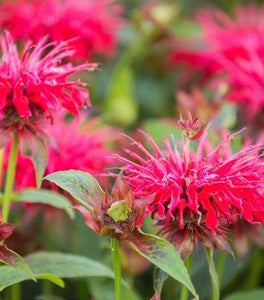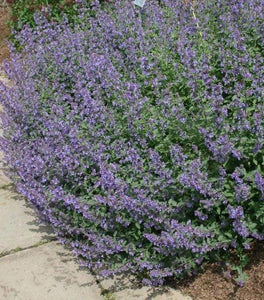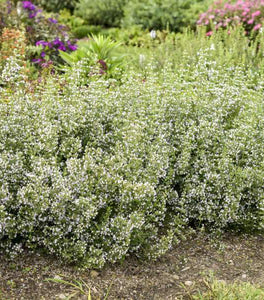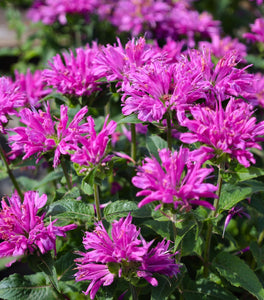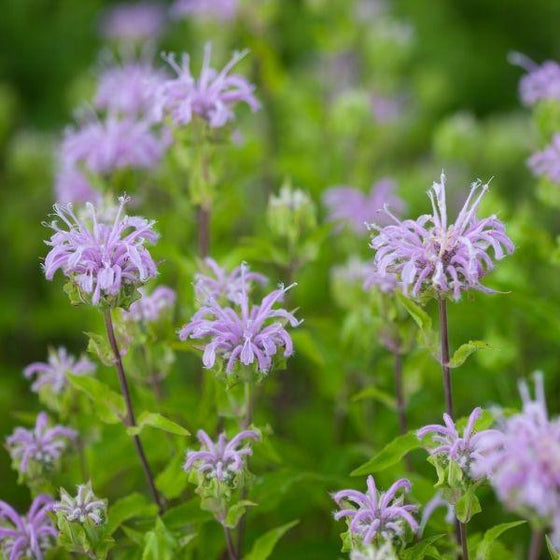
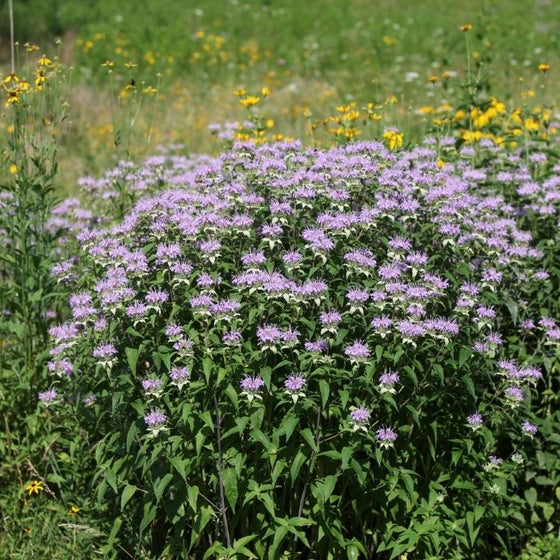
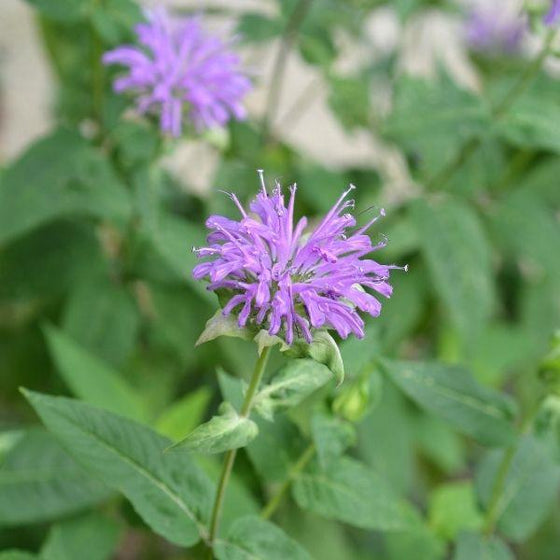
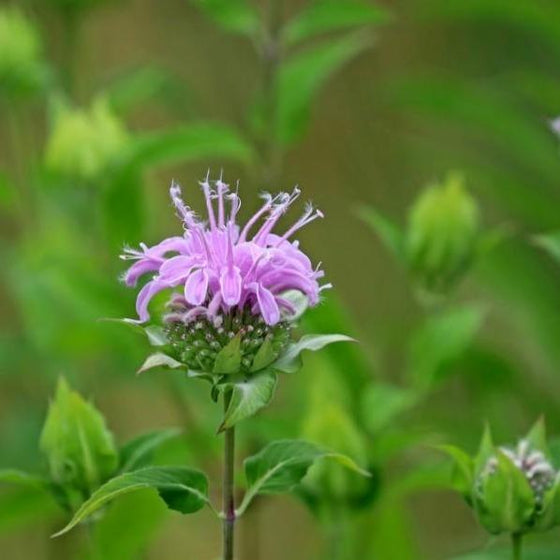


Images Depict Mature Plants
Wild Bergamot
Monarda fistulosa
Wild Bergamot is one of my favorite “real garden” plants. Lavender summer blooms, that unmistakable herbal fragrance, and pollinators everywhere once it gets going. I love it in sunny meadow strips and mixed borders because it looks natural without looking messy, and it handles real-life conditions once it’s established. Just give it room to breathe and water at the base during long dry spells.

20% OFF SITEWIDE SALE
Use Code 'OCTOBER20' At Checkout
📦 Free shipping on orders over $99.
Delay shipping by leaving us a message at Checkout.
Share:Recommended Add-Ons



Wild Bergamot For Native Pollinator Gardens, Sunny Meadows, And Easy Summer Bloom
Native pollinator powerhouse with that classic “wild” flower look
Wild Bergamot is the straight-species bee balm that feels at home in native beds, meadow plantings, and sunny borders that want a natural rhythm. In summer, it tops upright stems with lavender, tufted flower clusters that look beautifully untamed, like a prairie bouquet that decided to grow right where you planted it. The flowers are high-visibility, but not flashy in a “nursery annual” way; they read authentic, airy, and full of movement.
This is also one of the most rewarding perennials for wildlife action. Bees, butterflies, and hummingbirds use wild bergamot as a nectar stop, and planting it in groups turns a quiet corner into a living, humming scene. If your goal is to make the garden feel alive—sound, motion, and pollinator traffic—Monarda fistulosa delivers with real reliability.
Fragrant foliage that adds a sensory layer to sunny beds
Wild bergamot’s leaves are aromatic and pleasantly herbal when brushed, bringing that mint-family fragrance to the garden. It’s a plant you can smell as much as you can see—especially when planted along paths, near seating, or at the edge of a patio where you’ll pass close by. Between bloom cycles, the foliage still carries weight in a planting, giving you a substantial green clump that supports the “meadow” feel.
Design-wise, it plays well with grasses and sun perennials: coneflowers, rudbeckia, yarrow, blazing star, and switchgrass all complement its loose, natural form. The color is easy to blend—lavender sits beautifully alongside blues and purples, but also softens hot palettes when paired with reds and oranges. It’s a connector plant that makes mixed borders look intentional instead of busy.
Drought-tolerant character with a simple rule: don’t stress it too hard
Wild bergamot is naturally adapted to prairies and open sites, and once established, it handles dry spells better than many garden monardas. That said, the best-looking plants come from a balanced approach: decent drainage, consistent moisture while it’s establishing, and supplemental watering during prolonged drought. When bee balm repeatedly gets water-stressed, it can drop lower leaves and become more prone to powdery mildew, so steady care during peak heat is a smart investment in appearance.
Give it full sun for the strongest bloom and sturdier stems, with partial shade as a workable option in hotter climates. It’s flexible about soil type as long as it drains reasonably well. If you’re planting a slope, a dry border, or a meadow strip that doesn’t get pampered, wild bergamot is a practical choice that still delivers a big summer payoff.
Easy maintenance that keeps it fuller, cleaner, and better behaved
Wild bergamot shines when you treat airflow like part of the design. Space plants so breezes can move through the stems, water at the base instead of overhead, and thin or divide clumps every few years if they get crowded. Those simple habits go a long way toward keeping foliage cleaner and the plant more vigorous—especially in humid summers.
Pruning is straightforward and flexible. Deadheading after the main bloom keeps the planting neater and can encourage additional flowering, while cutting back spent stems later in the season resets the clump for next year. If you want a bushier, more compact plant, a light pinch or an early-season trim helps branching. With the right spacing and a little timely trimming, you get a native perennial that looks polished without losing its wild charm.
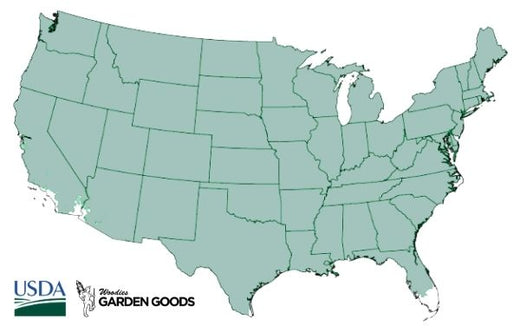
| Hardiness Zone: | 3-9 |
|---|---|
| Mature Height: | 2 to 4 Feet |
| Mature Width: | 2 to 3 Feet |
| Sunlight: | Full sun to partial shade |
| Bloom Time / Color | Summer; lavender to lavender-pink |
| Soil Condition: | Well-drained; tolerant of dry to moderately moist soils once established |
| Water Requirements: | Medium during establishment; low to medium once established |
| Wildlife Value | Excellent pollinator plant; attracts bees, butterflies, and hummingbirds |
| Resistance (deer/disease/drought/etc.) | Generally deer resistant; drought tolerant once established; manage powdery mildew with airflow |
| Landscape Uses | Native gardens, meadows, pollinator beds, cottage borders, slopes, cut flowers, naturalizing plantings |
How to Care for Wild Bergamot
Be sure to read our planting instructions to ensure a healthy and happy Wild Bergamot plant for years to come!
-v1772660213577.png?92x91)
How should I plant Wild Bergamot?
Plant Wild Bergamot in full sun to partial shade in soil that drains well. Dig a hole about twice as wide as the root ball, set the plant at the same depth it was growing in the pot, backfill, and water deeply to settle the roots. Add 2–3 inches of mulch to stabilize moisture, keeping mulch slightly away from the crown so it doesn’t stay damp. For meadow-style plantings, lay plants out first so spacing stays even and airflow stays strong as they mature. If your soil is heavy or slow-draining, plant slightly high or amend the planting area so the crown doesn’t sit wet—good drainage is one of the easiest ways to keep bee balm looking cleaner.
-v1772660242062.png?89x84)
How often should I water Wild Bergamot after planting?
Water thoroughly right after planting, then keep the root zone evenly moist for the first 6–8 weeks. A deep soak once per week is a good baseline, increasing to 1–2 times per week during hot, dry stretches or in sandy soil. Water at the base of the plant to keep foliage drier. Once established, Wild Bergamot becomes more drought tolerant, but it still looks best when it doesn’t swing between extreme dry and sudden soaking. During prolonged drought, supplemental deep watering helps prevent lower leaf drop and supports better bloom and overall plant health.
-v1772660260398.png?90x89)
When should I fertilize Wild Bergamot?
Fertilize lightly in early spring as new growth begins, using a balanced slow-release fertilizer or a compost top-dress. Wild bergamot doesn’t need heavy feeding to perform, and compost often provides the right gentle boost while improving soil structure. Avoid over-fertilizing with high nitrogen, which can push lush growth that flops and reduces airflow through the clump. For most gardens, a modest spring feeding is plenty to support sturdy stems and strong summer bloom.

When and how should I prune Wild Bergamot?
Deadhead spent blooms during and after flowering to keep the planting tidy and to encourage more flowers. If you want a bushier, more compact plant, a light trim earlier in the season can promote branching and a fuller silhouette. After flowering or after frost, cut stems back to the ground and clean up old debris. Dividing clumps every few years (especially if the center thins or the planting gets crowded) refreshes vigor and improves airflow, which helps keep foliage cleaner.