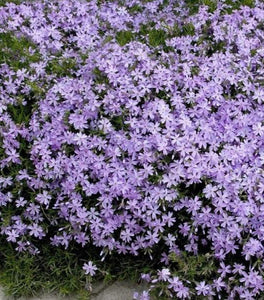
Images Depict Mature Plants
Blue Star Creeper
Isotoma fluviatilis
Blue Star Creeper is one of my favorite “small details, big impact” plants—because once it fills in, it turns plain stonework and bare edges into a living carpet of green with those tiny blue flowers floating on top. Give it good drainage, steady moisture while it roots in, and a quick trim when it wanders, and you’ll get a ground cover that looks finished, feels soft underfoot, and keeps the garden looking cared-for.

Take 15% OFF SITEWIDE
Use Coupon Code: MADNESS15
📦 Free shipping on orders over $99.
Delay shipping by leaving us a message at Checkout.
Share:



Flowering Blue Ground Cover For Pavers, Paths, And A Soft Lawn Alternative
A Blooming Carpet That Turns Gaps Into A Garden Feature
Blue Star Creeper is the ground cover that makes hardscape feel alive. It forms a tight, low mat of bright green foliage, then sprinkles it with small, starry blooms in soft blue to blue-lavender from spring into summer (often stretching longer in mild climates). The flowers are delicate up close, but in mass, they read as a “haze of blue” that instantly elevates stepping-stone paths, rock gardens, and border edges.
This plant shines where you want a finished look without bulk. It fills in seams between pavers, softens stone edges, and adds a polished, intentional feel to beds that might otherwise look bare. It’s also surprisingly charming in small-garden moments—fairy gardens, courtyard beds, and tidy front borders —where you want long-lasting color without anything tall or leggy.
Ultra-Low Height With A Dense, Tidy Groundcover Habit
If you’ve ever wanted a ground cover that stays truly low, this is it. Blue Star Creeper typically sits just a few inches tall and spreads outward to create a smooth, walk-friendly mat. That low profile is exactly why it works so well at the front of borders and along paths, it won’t block other plants, flop onto walkways, or turn into a maintenance headache.
It’s also a great “connector plant” in mixed landscapes. Use it to knit together perennials and shrubs, fill awkward spaces where mulch washes out, or create a soft green carpet under taller plants. The foliage stays attractive and fine-textured, giving you a clean base layer that looks designed even when flowers pause.
Foot-Traffic Friendly Performance In Sun Or Part Shade
Blue Star Creeper is known for tolerating light to moderate foot traffic, which makes it a strong candidate for stepping-stone paths and casual walkways. It performs in full sun to part shade, with the best look usually coming from bright light and consistent moisture while it’s establishing. In hotter areas, a bit of afternoon shade can keep foliage fresher and reduce stress.
Soil drainage is the key. This ground cover likes evenly moist conditions but doesn’t want to sit in soggy soil for long periods, especially in winter. Once rooted in, it can handle short dry spells better than you’d expect for such a lush mat, but it looks its best with a steady, sensible watering rhythm and soil that drains well.
Fast Fill-In With Simple Containment And Quick Trimming
Blue Star Creeper spreads by creeping growth, which is exactly what you want when you’re trying to fill gaps and create coverage. It can also be enthusiastic in the right conditions, so plan ahead if you want crisp edges. A simple border, edging strip, or regular trimming keeps it where it belongs and prevents it from wandering into nearby beds.
Maintenance is refreshingly simple: occasional shearing or a quick trim tidies the mat and encourages fresh growth, especially after a heavy bloom flush or if the edges start to look untidy. If you want a “living carpet” look that stays neat, the combination of smart placement, proper spacing, and light trimming is what keeps Blue Star Creeper looking intentional year after year.
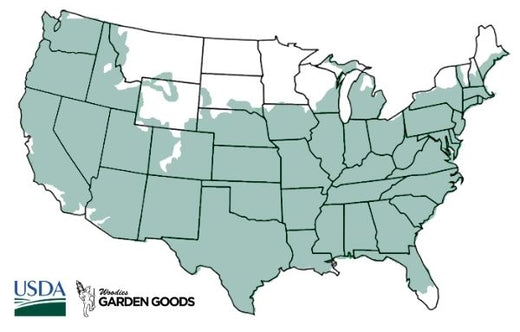
| Hardiness Zone: | 5-9 |
|---|---|
| Mature Height: | 2 to 4 inches |
| Mature Width: | 12 to 24 inches |
| Sunlight: | Full sun to part shade |
| Bloom Time / Color: | Spring into summer (often longer in mild climates); pale blue to blue-lavender |
| Soil Condition: | Well-drained; tolerates average soils; prefers consistent moisture |
| Water Requirements: | Moderate; drought tolerant once established (best with even moisture) |
| Wildlife Value | Supports pollinators |
| Resistance | Deer resistance is generally good; avoid winter-wet soil for best health |
| Landscape Uses | Between pavers, path edging, lawn alternative (light traffic), rock gardens, slopes, borders, containers |
How to Care for Blue Star Creeper
After purchasing your Blue Star Creeper, be sure to read our recommended care instructions to ensure this perennial groundcover is happy and healthy for years to come.

How should I plant Blue Star Creeper?
Plant Blue Star Creeper in full sun to part shade in well-drained soil. Set plants at the same depth they were growing in the pot, firm the soil around the roots, and water thoroughly to settle everything in. If you’re planting between stepping stones, make sure there’s enough soil depth for roots to spread, and avoid packing the soil so tightly that water can’t move through. For the cleanest finish, define your edges up front. Use stone, metal edging, or a crisp bed line so the creeper fills where you want it and is easy to trim where you don’t. A thin mulch layer around (not on top of) young plants can help reduce weeds while the mat knits together.

How often should I water Blue Star Creeper after planting?
Water deeply right after planting, then keep the soil lightly and consistently moist for the first 3–6 weeks. In most gardens, that means watering 2–3 times per week at first if rain is limited, tapering as you see new growth and spreading. Between pavers, check more often because soil pockets dry faster. Once established, Blue Star Creeper can handle short dry spells, but it looks best with an even moisture rhythm. Water during extended drought to keep the mat lush and flowering strong, and avoid chronic sogginess—especially in cooler weather—so roots stay healthy.

When should I fertilize Blue Star Creeper?
Fertilize lightly in spring as growth starts, especially if you’re planting into lean or sandy soil. A small amount of balanced slow-release fertilizer or a thin top-dress of compost is usually enough to support healthy spread and flowering without pushing soft, weak growth. Avoid heavy feeding. Too much fertility can reduce flowering and encourage overly aggressive growth that’s harder to keep tidy. If you want a midseason refresh, a very light feeding after a trim can help the mat rebound, but keep it modest.

When and how should I prune Blue Star Creeper?
Trim or shear Blue Star Creeper when it looks a bit tired, after a heavy bloom flush, or when edges start creeping beyond the line you want. A light shear encourages fresh growth and helps keep the mat dense and even. In path areas, occasional trimming also improves the “carpet” look and keeps it from bulging over stones. In late fall or early spring, clean up any browned or weathered growth so new shoots come in cleanly. If you’re using it between pavers, a quick edge-trim once or twice a season is usually all it takes to keep it looking polished and contained.