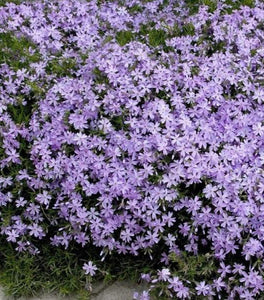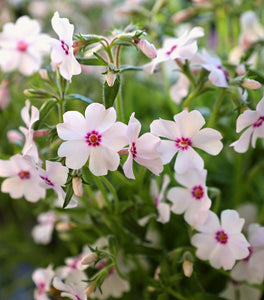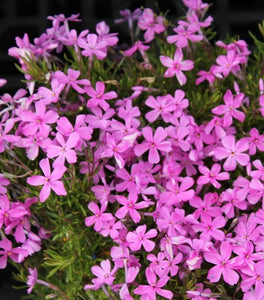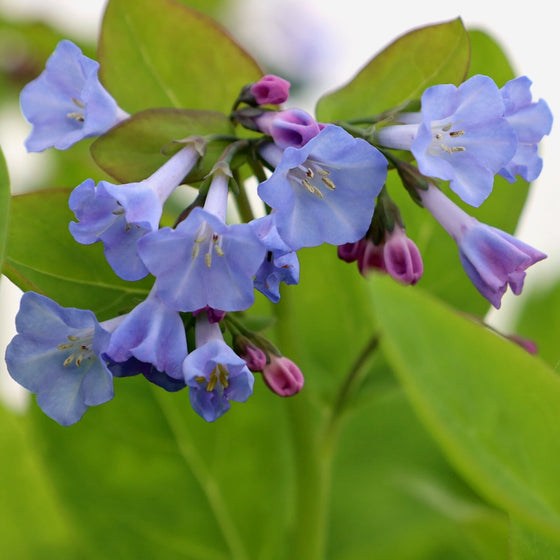
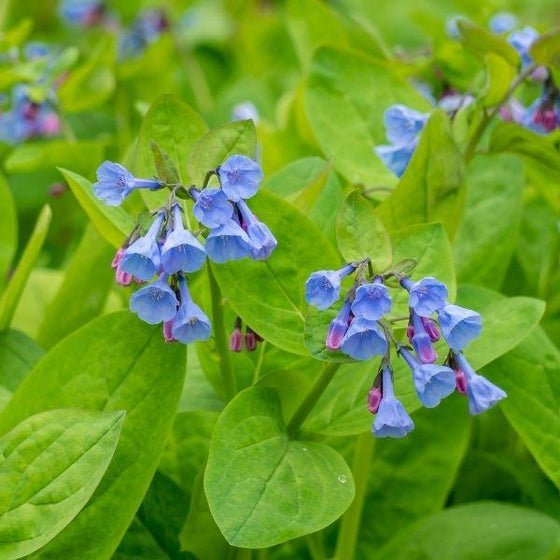
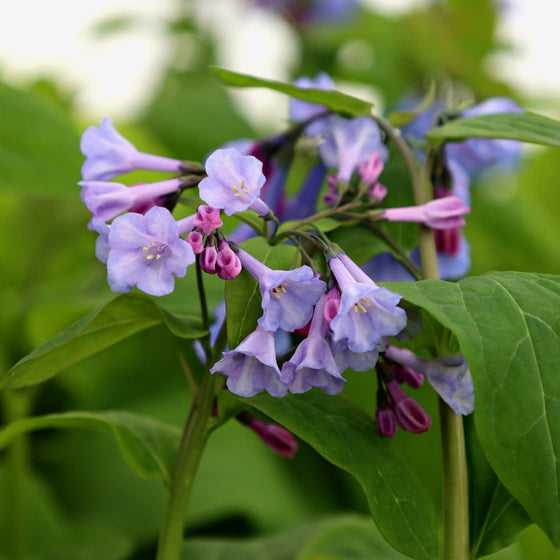
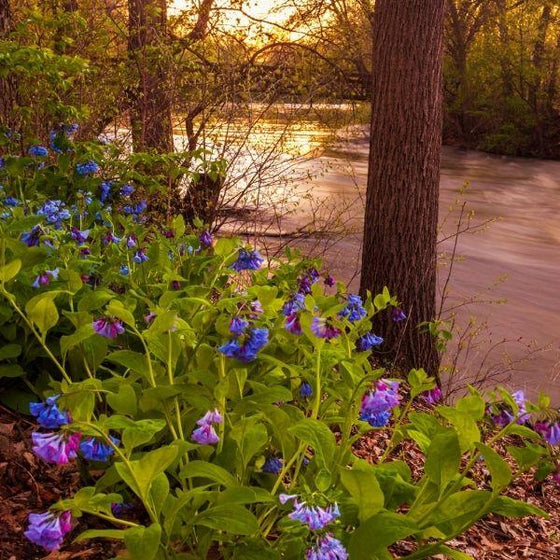


Images Depict Mature Plants
Virginia Bluebells (Mertensia virginica)
Mertensia virginica
If you’ve never planted Virginia Bluebells, you’re missing one of spring’s best little miracles. The way those pink buds open into true blue flowers feels like the garden waking up in real time, and in a shade bed, that color is pure gold. I like to plant them in drifts under deciduous trees, then let hostas and ferns rise up afterward so the space stays full when the bluebells fade out. It’s an easy, classic move that makes a garden feel mature fast.

Take 20% OFF SITEWIDE.
Use Coupon Code: EARLYBIRD20
📦 Free shipping on orders over $99.
Delay shipping by leaving us a message at Checkout.
Share:



Virginia Bluebells for Early Spring Color in Shade Gardens
A Springtime Show Of Pink Buds Turning True Blue
Virginia Bluebells are the kind of plant that makes you stop mid-walk in early spring. The buds open in soft pink, then shift to a clear, luminous blue—so you get a whole color story in one bloom cycle. Planted in drifts, they look like a wash of sky dropped into the garden, especially under flowering trees or along a shady path. If you’re building a landscape that feels seasonal and alive, bluebells are one of the most rewarding spring moments you can add.
They’re also wonderfully “natural” looking—never stiff, never fussy. The foliage emerges early with a fresh, smooth texture, and the flower clusters rise just above it for a soft, woodland look. Virginia Bluebells are perfect for anyone who wants spring interest that feels timeless and locally appropriate, especially in beds where summer flowers usually get all the attention. For many gardeners, bluebells become a yearly marker: when they bloom, winter is truly done.
The Perfect Native Perennial For Woodland Borders And Part Shade Beds
Virginia Bluebells thrive where many plants struggle: bright shade, dappled shade, and woodland edges with rich soil. They’re native to eastern North America and feel most at home in “leaf-litter” style conditions—under deciduous trees, alongside ferns, and near other spring woodland flowers. That makes them a natural choice for shade gardens that need a pop of early color without turning into a maintenance project.
Because they’re a spring ephemeral, they do their big performance early, then fade back as the weather warms. That isn’t a flaw—it’s part of the charm, and it’s exactly how woodland gardens work. Bluebells make room for later plants to shine, and when they’re paired correctly, the bed looks intentional all season long. Think of them as your spring opening act—bold, beautiful, and gone before the summer cast takes the stage.
Low-Maintenance Beauty That Returns Every Year And Naturalizes Gently
Once established, Virginia Bluebells are easy keepers. They prefer consistent moisture in spring, especially while they’re actively growing and blooming, and they appreciate soil that stays cool and humus-rich. In the right spot, they come back reliably each year and can slowly form larger colonies over time, creating a more impressive spring display with each season. They’re a great pick for gardeners who want long-term payoff without constant intervention.
After bloom, the foliage gradually yellows and disappears as the plant goes dormant. That’s your cue to let nature do its thing—no panic, no aggressive cleanup. Resist the urge to cut foliage too early; the plant uses that leaf time to store energy for next year. If you want a garden that feels established, layered, and a little magical in spring, bluebells are one of the simplest ways to get there.
Designing With Bluebells So The Garden Still Looks Full After They Fade
The smartest way to use Virginia Bluebells is to plan for their “fade-out.” Give them a starring role in early spring, then pair them with later-emerging perennials that will fill the space as bluebells go dormant. Hostas, astilbe, ferns, heuchera, and woodland grasses are all strong companions because they rise as bluebells retreat, keeping the bed looking lush. This is how you get a bed that looks beautiful in April and still looks finished in July.
Spacing also matters for a natural look. Plant in groups, not single dots, and allow room for gentle expansion. When placed in drifts, bluebells read as a landscape feature rather than a scattered novelty. If you want a “walk-through spring experience,” tuck them along paths, under redbuds and dogwoods, or near a patio view where you’ll notice the color shift from pink to blue. With a little planning, bluebells become one of the most elegant, low-effort design moves you can make.
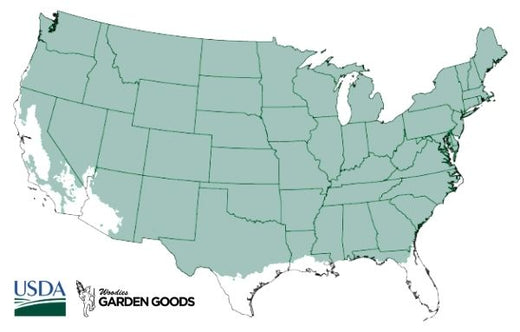
| Hardiness Zone: | 3-8 |
|---|---|
| Mature Height: | 1 to 1.5 feet |
| Mature Width: | 1 to 1.5 feet |
| Classification: | Perennial |
| Sunlight: | Part shade to shade; dappled light is ideal |
| Bloom Time / Color: | Early to mid-spring; pink buds opening to blue flowers |
| Soil Condition: | Moist, rich, well-drained; humus-rich woodland soils are best |
| Water Requirements: | Medium; consistent moisture in spring, less needed after dormancy |
| Wildlife Value | Excellent early-season nectar for bees and other pollinators |
| Resistance | Deer and rabbit tolerant once established; low disease when sited well |
| Landscape Uses | Woodland gardens, shade borders, naturalized drifts, under trees, spring wildflower plantings |
How to Care for Virginia Bluebells (Mertensia virginica)
After purchasing your Virginia Bluebell Plant, be sure to read our recommended care instructions to ensure this native perennial is happy and healthy for years to come.

How should I plant Virginia Bluebells?
Plant Virginia Bluebells in part shade to shade where the soil stays cool and evenly moist in spring. Dig a hole about twice as wide as the root mass and set the plant so the crown sits at the same level it was growing in the pot. Backfill with your native soil, water deeply, and finish with a light mulch layer to hold moisture and mimic woodland conditions. For the most natural look, plant in groups of 5–9 rather than singles. Place them where you’ll enjoy their early spring show—along a walkway, under deciduous trees, or at the front of a woodland border—then pair them with later-emerging perennials so the space stays full after bluebells go dormant.

How often should I water Virginia Bluebells after planting?
Water consistently through the first spring and early summer while the plant is actively growing. A deep soak once or twice per week (depending on rainfall and soil type) is usually ideal. The goal is evenly moist soil—not soggy soil—so roots establish and blooms stay full. After flowering, bluebells gradually go dormant and need less water. In most gardens, natural rainfall is enough once dormancy begins, especially in shade beds. Avoid keeping the area constantly wet in summer, which can stress dormant roots and invite rot in heavy soils.

When should I fertilize Virginia Bluebells?
Virginia Bluebells generally don’t need heavy fertilizing. If your soil is lean, top-dress with compost in late fall or early spring to feed the soil gently. That organic approach supports strong spring growth without pushing soft, unnatural growth. Avoid high-nitrogen fertilizers, which can encourage leafy growth at the expense of bloom and can be counterproductive in woodland plantings. If your plants look weak year after year, a soil test and better moisture management usually solve more problems than more fertilizer.

When and how should I prune Virginia Bluebells?
You don’t need to prune Virginia Bluebells in the traditional sense. After bloom, allow foliage to yellow naturally; the leaves are storing energy for next year’s flowers. Cutting foliage too early can reduce vigor and bloom quality the following spring. Once the foliage has fully died back, you can gently remove it for tidiness. If seedling spread is not desired, you can remove spent flower stalks after bloom, but many gardeners prefer to let bluebells naturalize lightly for a more established, woodland look.