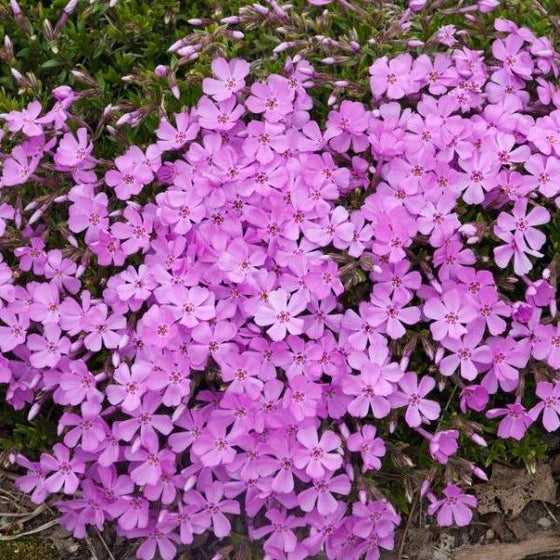
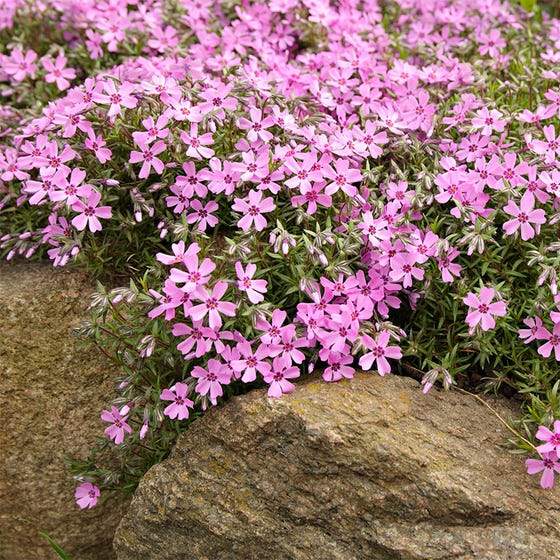


Images Depict Mature Plants
Emerald Pink Creeping Phlox
Phlox subulata 'Emerald Pink'
If you’re craving that first big “spring wow” without adding a bunch of maintenance to your life, Emerald Pink creeping phlox is one of my favorite moves—evergreen foliage that stays neat and tidy, then a burst of pink flowers that turns slopes, borders, and rock gardens into a living carpet. It’s the kind of groundcover that makes beds look finished, helps tame sunny banks, and rewards you with more density every year when you give it good drainage and a quick post-bloom trim.

20% Off Sitewide Sale!
Use Code 'ENDOFSEASON20' At Checkout
📦 Free shipping on orders over $99.
Delay shipping by leaving us a message at Checkout.
Share:Recommended Add-Ons



Emerald Pink Creeping Phlox Groundcover For Spring Color
Evergreen Groundcover That Looks Neat All Year
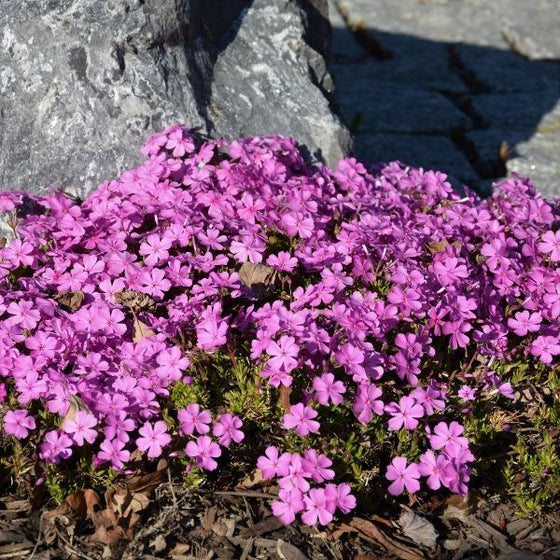
Emerald Pink creeping phlox is the definition of “polished groundcover.” It forms a low, tight mat of petite, dark green, needle-like foliage that reads as clean and intentional in every season. Use it where you want a finished edge—front-of-bed plantings, along walkways, between boulders, or at the top of a wall where the foliage can soften hard lines without looking messy or overgrown.
Because it stays low (just a few inches tall), it won’t swallow neighboring perennials or hide smaller spring bulbs. Instead, it acts as a living mulch, adding structure and color even when nothing is blooming. In many gardens, it maintains its evergreen character through much of the year, and even in colder winters, it rebounds quickly as temperatures warm, filling gaps with fresh growth.
Bright Pink Spring Blooms That Carpet The Garden
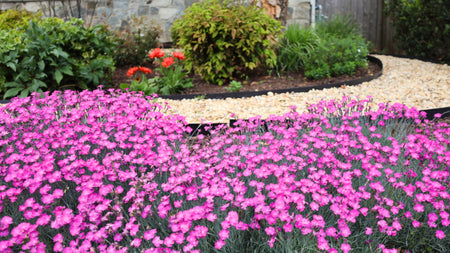
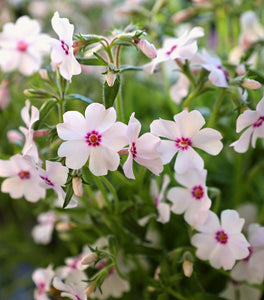
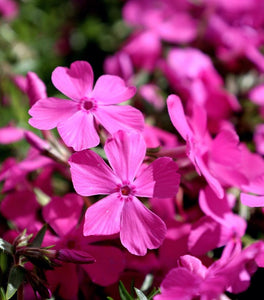
In early through late spring, Emerald Pink earns its name with a vivid flush of pink, star-shaped flowers that practically disappear into the foliage beneath them. The bloom show is dense, uniform, and eye-catching—exactly what you want when you’re craving the first big hit of color after winter. One plant looks charming; a drift looks like a springtime “pink rug” that makes the whole landscape feel awake.
This is also a groundcover that plays well with classic spring combinations. Tuck it around daffodils and tulips, weave it through stonework, or let it flow along the front of a mixed border where it can echo pink flowering shrubs and early perennials. When the flowers finish, a light trim keeps the mat tidy and encourages fresh shoots—so it stays lush and ready for next year’s encore.
Tough, Sun-Loving Coverage For Slopes And Rock Gardens
If you have a sunny slope that’s hard to mow or a dry, rocky area that struggles to hold plants, creeping phlox is a smart solution. Emerald Pink prefers well-drained soil and tolerates average to sandy conditions, which makes it a natural fit for rock gardens, banks, and wall plantings. Once established, it handles dry spells better than many flowering groundcovers, especially when drainage is sharp, and roots aren’t sitting in wet soil.
On slopes, it’s a practical beauty plant: the creeping habit helps knit the surface together while creating a spill of foliage and flowers that looks intentionally “cascading.” The key is getting it established—deep watering early on, light mulch, and good soil contact for roots. After that, it becomes a dependable, low-profile performer that gives you spring color without asking for constant babysitting.
Easy Care Groundcover For Borders, Beds, And Path Edges
Emerald Pink is an easy win for gardeners who want high impact with low effort. It stays compact, doesn’t require complicated pruning schedules, and looks best with one simple habit: a quick shear right after flowering. That post-bloom haircut keeps growth dense, reduces woody stems, and maintains a clean outline along paths and bed edges—so the planting looks crisp instead of shaggy.
Design-wise, it’s incredibly flexible. Use it as edging to “frame” a bed, mass it as a flowering groundcover, or tuck it into gaps where you need coverage but don’t have room for taller plants. It also works beautifully in containers as a spiller—especially in gritty mixes where it can drape over the rim and bloom in spring. However you use it, you’ll get a groundcover that looks curated, not chaotic.
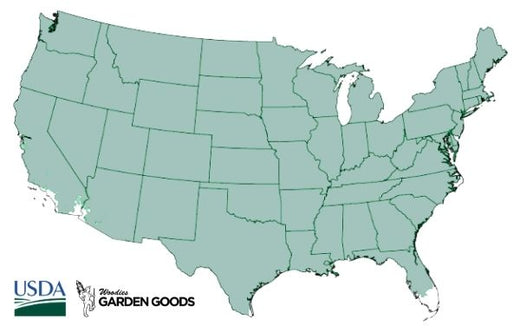
| Hardiness Zone: | 3-9 |
|---|---|
| Mature Height: | 4 to 6 inches |
| Mature Width: | 18 to 24 inches |
| Sunlight: | Full sun (tolerates partial sun) |
| Bloom Time / Color | Early through late spring; pink |
| Soil Condition: | Well-drained; average to sandy; great in rock gardens |
| Water Requirements: | Water well until established; drought tolerant once established |
| Wildlife Value | Attracts bees and butterflies |
| Resistance | Generally deer resistant; drought tolerant once established; |
| Landscape Uses | Edging, rock gardens, slopes/banks, groundcover carpets, wall spillover, containers |
How to Care for Emerald Pink Creeping Phlox
Be sure to read our planting instructions to ensure a healthy, happy Emerald Pink Creeping Phlox plant for years to come!
-v1770819833646.png?92x91)
How should I plant Emerald Pink Creeping Phlox?
Plant Emerald Pink creeping phlox in full sun for the heaviest bloom and tightest growth. Choose a spot with well-drained soil—this plant thrives where water drains through the root zone rather than sitting. Dig a hole a bit wider than the root ball and set the plant so the crown sits level with the soil surface. Backfill, firm gently, and water deeply to settle roots. Keep mulch light around the crown (don’t bury the stems), especially in heavier soils. For slopes, plant into small level pockets so water soaks in rather than running off, and press the soil in well so roots have immediate contact.
-v1770819858823.png?89x84)
How often should I water Emerald Pink Creeping Phlox after planting?
For the first 2–3 weeks, water every 2–3 days (or more often during heat and wind) to keep the root zone evenly moist—not soggy. After that, transition to deep watering about once per week, adjusting for rainfall and soil type (sandy soils dry faster than loam). Once established, creeping phlox is more drought-tolerant than many flowering groundcovers, but it performs best when it isn’t stressed during spring growth and bloom. If you want the cleanest flower show and a dense mat, don’t let it dry out completely for long stretches during establishment.

When should I fertilize Emerald Pink Creeping Phlox?
Feed lightly in early spring as new growth starts with a balanced, slow-release fertilizer or a thin layer of compost. Creeping phlox doesn’t need heavy feeding, and too much nitrogen can push leafy growth at the expense of flowers. If your soil is very lean or you’re growing it in containers, a small follow-up feeding after bloom can support fresh regrowth. Keep it gentle—this plant is at its best with bright sun, sharp drainage, and moderate fertility.

When and how should I prune Emerald Pink Creeping Phlox?
Trim Emerald Pink creeping phlox right after flowering. A quick shear (think “light haircut,” not a hard cut to the ground) keeps the mat dense, encourages fresh shoots, and helps prevent the center from becoming woody over time. Also remove any dead patches and thin older, woody stems as needed to refresh the planting. If the edges creep beyond where you want them, you can lightly edge or trim the perimeter any time during the growing season to keep borders crisp.