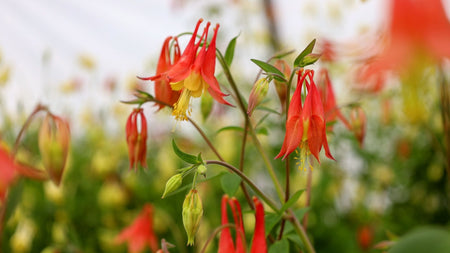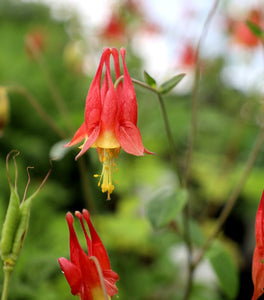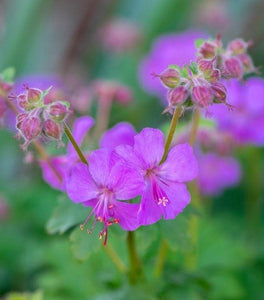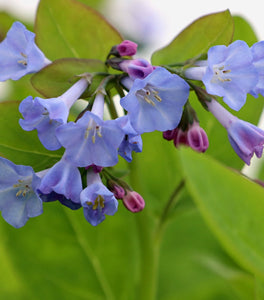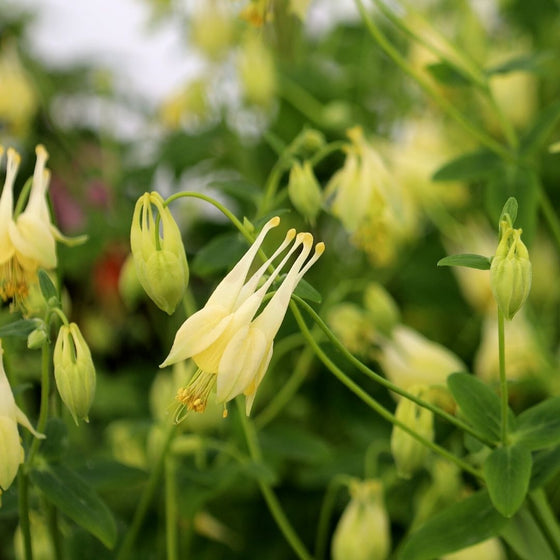
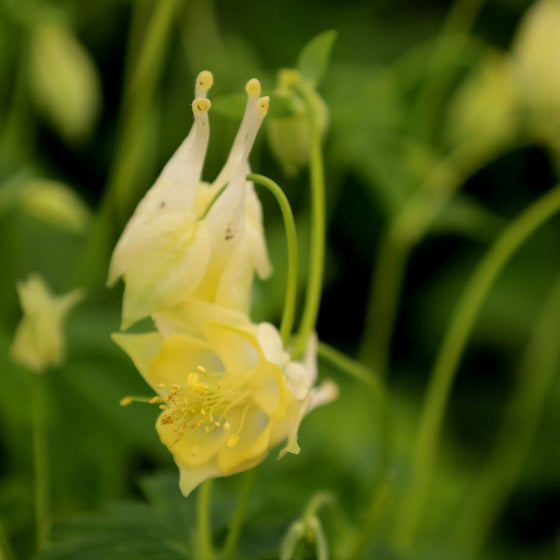
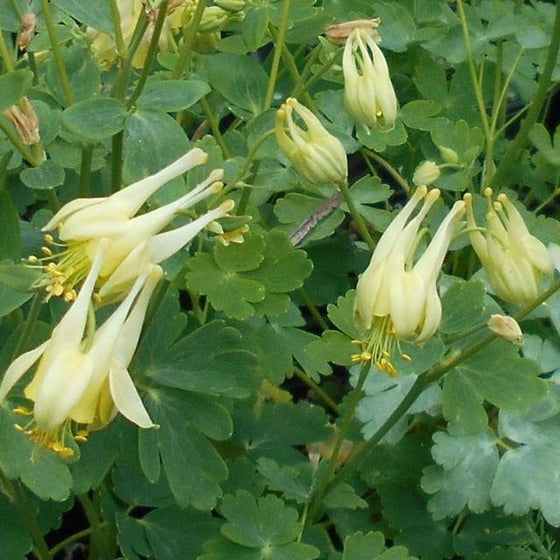
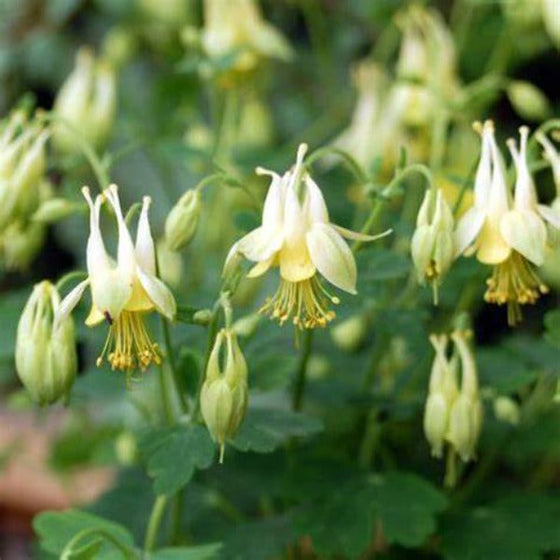


Images Depict Mature Plants
Aquilegia ‘Corbett’
Aquilegia canadensis 'Corbett'
I’m a big fan of Aquilegia ‘Corbett’ because it does something shade gardens desperately need in spring: it brings light. Those buttery yellow “lantern” blooms float above the foliage, hummingbirds find them fast, and the whole bed suddenly feels awake. Plant it in a small drift near bulbs or under open-canopy trees, deadhead if you want it tidy, or let it sprinkle a few seedlings if you like a natural look—either way it’s an easy win.

20% OFF SITEWIDE SALE
Use Code 'OCTOBER20' At Checkout
📦 Free shipping on orders over $99.
Delay shipping by leaving us a message at Checkout.
Share:


Aquilegia ‘Corbett’ for Soft Yellow Spring Blooms in Shade Gardens
Butter-Yellow Spring Flowers That Look Like Tiny Lanterns
Aquilegia ‘Corbett’ is one of those perennials that makes a spring garden feel “designed” without trying too hard. The flowers hover above the foliage like little lanterns—pale, buttery yellow with that classic columbine shape that’s delicate up close and eye-catching from a few steps away. It blooms right when gardeners are hungry for color, bridging the gap between early bulbs and the first wave of summer perennials. Tuck it along a path or near the front of a bed, and it reads like a curated detail, not a random plant.
The color is especially useful in shade and part shade, where bright yellows can lift the whole scene. ‘Corbett’ pairs beautifully with blue companions (Virginia bluebells, forget-me-nots, brunnera), soft greens (ferns, hostas), and spring whites (hellebore, early viburnums). If you want spring flowers that feel airy and refined—not loud—this is a great pick. It’s also a plant you’ll find yourself watching each year, because the bloom habit is charming and the flower form is just plain fun.
A Shade-Friendly Perennial That Fits Small Spaces And Mixed Beds
This is a compact columbine, which is exactly why it works so well in real gardens. Expect a tidy clump that typically stays around 12–18 inches tall with a modest spread, so it slips into mixed borders without bullying its neighbors. It’s a natural fit for woodland edges, under open-canopy trees, and bright shade beds where you want spring interest without a plant that takes over. It also plays nicely with bulbs—plant it near daffodils or tulips and you’ll get a layered spring look that feels effortless.
Light is your best tool for getting the look you want. ‘Corbett’ performs beautifully in part sun (especially morning sun) and bright shade, and it can handle deeper shade in many gardens—just expect a slightly lighter bloom show there. Good drainage matters, but it appreciates consistent moisture in spring while it’s actively growing. If your goal is a shade garden that feels alive early in the season, ‘Corbett’ is a smart “foundation perennial” that brings structure, bloom, and pollinator activity without demanding constant attention.
Hummingbird And Pollinator Appeal That Brings The Garden To Life
Columbine is famous for attracting hummingbirds, and ‘Corbett’ is no exception. When it’s in bloom, you’ll often notice more movement in the garden—hummingbirds investigating blooms, bees working the flowers, and a general “wake-up” feeling that makes spring beds more exciting. That’s the hidden value of plants like this: they don’t just add color, they add activity. For gardeners building a pollinator-friendly landscape, ‘Corbett’ is an easy early-season step that complements later bloomers like salvia, nepeta, echinacea, and asters.
A practical note that builds confidence: Columbine is often considered deer-resistant because the foliage is not a favorite browse. No plant is perfectly deer-proof, but ‘Corbett’ is typically a safer bet than many tender spring perennials. It’s also wise to treat it as a “look, don’t taste” plant—columbine is commonly listed as toxic if ingested, so place it thoughtfully if you have pets or small children who like to sample plants. In the garden, it’s a trouble-free performer that gives you beauty and biodiversity in one compact package.
Deadheading, Self-Seeding, And Summer Rest Made Simple
If you’ve ever grown columbine, you know the secret: it can be delightfully generous. ‘Corbett’ may self-seed lightly in good conditions, which is great if you want a naturalized, cottage-garden drift. If you’d rather keep it tidy and controlled, deadheading is your friend—snip spent flowers to extend the bloom window and reduce volunteer seedlings. Either approach works; it just depends on whether you want “gardened” or “meadowy.” The plant’s compact habit makes both strategies easy to manage.
Also, don’t be surprised if it takes a summer breather. In many climates, columbine can look tired or go quiet when heat and humidity ramp up. That’s normal. When foliage declines, you can trim it back and let fresh growth return when conditions improve, especially with steady moisture and a little shade protection. The takeaway is simple: ‘Corbett’ is a spring star, and with light grooming, it stays a long-term player in mixed beds—blooming reliably, mixing well, and keeping your spring garden from feeling empty.
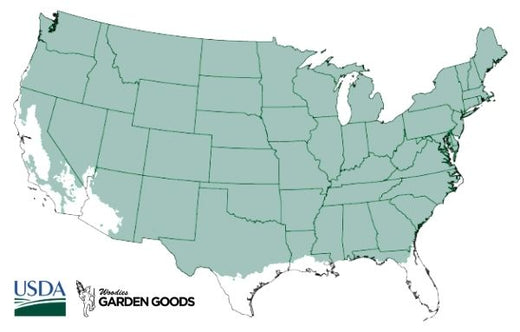
| Hardiness Zone: | 3-8 |
|---|---|
| Mature Height: | 1 to 1.5 Feet |
| Mature Width: | 1 Feet |
| Sunlight: | Part sun to shade (morning sun/bright shade ideal) |
| Bloom Time / Color: | Mid-spring; pale buttery yellow |
| Soil Condition: | Average to moist, well-drained; humus-rich preferred |
| Water Requirements: | Medium; consistent moisture in spring, drought-tolerant once established |
| Wildlife Value | Attracts hummingbirds and pollinators |
| Resistance | Deer resistant; generally low issues when sited well |
| Landscape Uses | Shade borders, woodland gardens, under trees, spring bulb companion, cottage gardens, containers in part shade |
How to Care for Aquilegia ‘Corbett’
Be sure to read our planting instructions to ensure a healthy and happy Aquilegia ‘Corbett’ for years to come!
-v1769111211012.png?92x91)
How should I plant Aquilegia ‘Corbett’?How should I plant Aquilegia ‘Corbett’?
Plant Aquilegia ‘Corbett’ in part sun to shade where soil drains well and stays evenly moist through spring. Dig a hole about twice as wide as the root mass and set the crown at the same level it was growing in the pot. Backfill with native soil, water deeply, and apply a light mulch layer to keep roots cool (keep mulch off the crown). For the best “drift” look, plant in small groups instead of single dots, and place it where spring color matters—near a walkway, under open-canopy trees, or at the front edge of a shade border. If your bed is dry in summer, choose a spot with some afternoon protection and plan for occasional deep watering during heat to keep the plant looking its best.
-v1769111235168.png?89x84)
How often should I water Aquilegia ‘Corbett’ after planting?
Water deeply right after planting, then keep the soil consistently moist (not soggy) for the first 6–8 weeks while roots establish. In most gardens, that means a deep soak 1–2 times per week depending on rainfall, soil type, and temperatures. Focus on watering at the base so moisture reaches the root zone. After establishment, Aquilegia ‘Corbett’ is fairly adaptable, but it performs best with steady moisture during spring growth and bloom. During hot, dry stretches, give it an occasional deep watering to reduce stress and prevent premature decline. If it takes a summer rest, reduce watering and let the plant cycle naturally.
-v1769111261442.png?90x89)
When should I fertilize Aquilegia ‘Corbett’?
Feed Aquilegia ‘Corbett’ lightly in early spring as new growth starts, using a balanced slow-release fertilizer or a top-dressing of compost. Columbines don’t need heavy feeding, and modest nutrition helps support sturdy stems and better flowering without pushing weak, overly soft growth. If your soil is already rich and mulched, you can often skip fertilizer and still get great results. Avoid heavy nitrogen applications, which can favor foliage over blooms. If plants look weak year after year, a simple soil test and improved moisture consistency usually do more than extra fertilizer.

When and how should I prune Aquilegia ‘Corbett’?
Deadhead spent flowers during bloom to keep Aquilegia ‘Corbett’ looking tidy and to extend the flowering window. If you want to limit self-seeding, remove flower stalks as blooms fade. If you want a more naturalized garden, let some flowers mature and drop seed. When foliage declines in summer heat, you can cut the plant back to refresh the clump and encourage clean regrowth when conditions improve. In fall, remove spent foliage for tidiness and to reduce overwintering issues. The key is gentle, seasonal grooming—not heavy pruning.