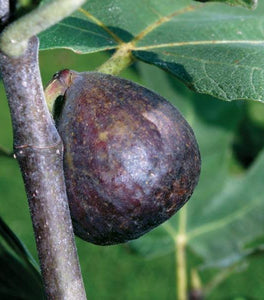
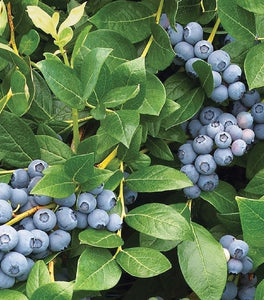
Images Depict Mature Plants
Victoria Red Grape Vine
Vitis vitis 'Victoria Red'
If you want a grape vine that feels truly “backyard-friendly,” Victoria Red is a fun one—fast growth on a ladder trellis or arbor, sweet red clusters that color up beautifully in full sun, and the added peace of mind of Pierce's Disease tolerance in warmer climates. Train it early, prune it hard while dormant, and you’ll have a vine that looks great, shades a space, and pays you back with fruit you actually want to pick.

15% OFF SITEWIDE, USE CODE 'FALLPLANT15'
📦 Free shipping on orders over $99.
Delay shipping by leaving us a message at Checkout.
Share:

Sweet Red Table Grapes For Trellises, Arbors, And Backyard Harvests
Sweet, Bright Red Table Grapes With A Fresh Backyard Flavor
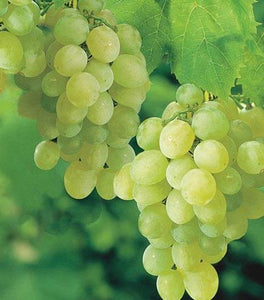
Victoria Red Grape Vine is made for home growers who want a reliable, great-tasting table grape with beautiful color. The berries start lighter and deepen to a bright red as they ripen in the sun, giving you snackable clusters that feel like a true late-summer treat. The flavor is sweet and refreshing, and the clusters are attractive enough that you will actually want to pick them and serve them.
A standout trait is its tolerance to Pierce's Disease, which can be a big confidence booster in warmer, humid regions where PD pressure is a common frustration. Pair that with a well-trained canopy and good airflow, and you are setting yourself up for better-looking fruit and a smoother growing experience year after year.
A Fast-Growing Vine That Turns Vertical Space Into Shade And Fruit
This is a vigorous, deciduous vine that thrives with strong support and a plan. Train it on wire trellises, ladder-style supports, fences, pergolas, or arbors and it quickly becomes a living feature—leafy shade up top and fruit where you can reach it. It is a smart way to add beauty and function without sacrificing valuable garden bed space.
Because grapes are naturally enthusiastic growers, the “secret” is structure. Install your support first, then train one main trunk and guide shoots where you want them early. When the vine is organized, you get easier pruning, cleaner airflow, simpler harvesting, and a more attractive look in the landscape.
Full Sun, Well-Drained Soil, And Consistent First-Year Watering
For the sweetest grapes and best color, full sun is non-negotiable; aim for at least 6–8+ hours of direct light. Plant in average, well-drained soil so roots stay healthy, and the vine can grow steadily. If your site holds water after rain, raise the planting area or improve drainage before planting to avoid slow growth and avoidable disease pressure.
Watering matters most in year one and during fruit development. Keep the soil evenly moist (not soggy) while the vine establishes, then shift to deeper, less frequent watering as roots expand. Mulch lightly to moderate soil moisture, keep grass and weeds away from the base, and focus on training shoots so sunlight can reach the canopy.
Better Harvests Come From Airflow, Spacing, And Dormant Pruning
Grapes reward the gardeners who prune. Dormant pruning in late winter is what keeps Victoria Red productive and prevents the vine from turning into a leafy tangle. A more open canopy improves airflow and sun exposure, which supports cleaner foliage, better ripening, and deeper fruit color. It also makes sprays (if ever needed) more effective and harvests far less frustrating.
Spacing is part of that same success plan. Give each vine room to breathe—most home trellises do best with 6–8 feet between vines, then train and prune to match your support style. When you keep fruiting canes intentionally and the canopy open, you typically get better clusters, better sweetness, and a vine that stays manageable for the long haul.
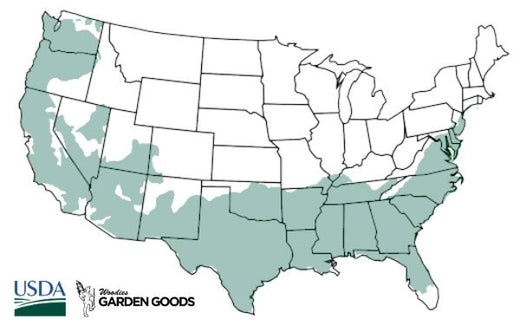
| Hardiness Zone: | 7-9 |
|---|---|
| Mature Height: | often trained to ~4–5 ft tall on ladder/trellis |
| Sunlight: | Full sun (best fruiting with 6–8+ hours) |
| Bloom Time / Color: | Late spring to early summer; white, inconspicuous flowers |
| Ripening Window / Harvest: | mid-August, extending through September |
| Soil Condition: | Average, well-draining soil |
| Water Requirements: | Moderate; consistent in year 1 and during fruit development |
| Wildlife Value: | Flowers can attract pollinators; fruit attracts birds and other wildlife |
| Resistance (deer/disease/drought/etc.): | Pierce's Disease tolerant; drought tolerant once established; not deer resistant |
| Landscape Uses: | Trellises, ladder supports, arbors/pergolas, fences, edible landscapes, patio shade |
How to Care for Victoria Red Grape Vine
Before you buy a Victoria Red Ladder Grape Vine, make sure to read about the recommended care instructions to keep this plant healthy and thriving.
-v1771613483681.png?92x91)
How should I plant Victoria Red Grape Vine?
Plant Victoria Red Grape Vine in full sun with well-drained soil, and set your trellis, ladder support, or arbor before (or at planting) so you can train the vine immediately. Dig a hole wide enough to spread the roots comfortably, plant at the same depth it was growing at, backfill, and water deeply to settle the soil around the roots. Right after planting, select one strong shoot as the main trunk and loosely tie it to a stake or support to keep the growth upright and organized. Keep a weed-free ring around the base, mulch lightly (without piling mulch against the trunk), and focus on training rather than heavy feeding in the first season.

How often should I water Victoria Red Grape Vine after planting?
Water deeply right after planting, then keep the soil evenly moist (not soggy) during the first growing season. In most gardens, that means deep watering 1–2 times per week, adjusting up during hot, windy weather or in sandy soils, and easing back when rainfall is steady. After the first year, the vine becomes more drought-tolerant, but it still performs best with consistent moisture during flowering and fruit fill. Water at the base to keep leaves drier, and prioritize deep, occasional soakings over frequent light sprinkling to encourage strong, resilient roots.
-v1771613543489.png?90x89)
When should I fertilize Victoria Red Grape Vine?
Fertilize in early spring as buds begin to swell and new growth starts, using a balanced fertilizer or a light layer of compost. Keep rates moderate—too much nitrogen can push lots of leafy growth at the expense of fruiting and can make the canopy harder to manage. If your soil is reasonably fertile and the vine is growing well, one spring feeding is often enough. If growth looks weak or pale, a second light feeding in late spring can help, but avoid heavy summer fertilizing so the vine can focus on ripening fruit and hardening off for the following season.

When and how should I prune Victoria Red Grape Vine?
Prune Victoria Red Grape Vine while it is fully dormant in late winter, before spring growth accelerates. Grapes are meant to be pruned hard—removing most of last year's growth is normal and is what directs energy into the right fruiting wood. Keep a strong trunk and train canes or cordons to match your support system, then remove weak, tangled, or excess canes so the canopy stays open and airy. During the growing season, light tying and occasional shoot thinning can keep growth tidy, but the biggest results come from that once-a-year dormant prune.