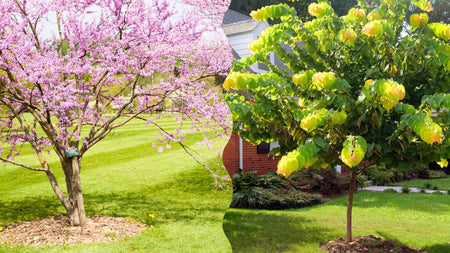
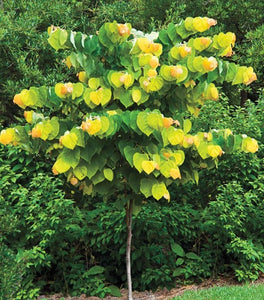
Images Depict Mature Plants
Merlot Redbud
Cercis x 'Merlot' Plant Patent #22297
Merlot Redbud is my go-to when someone wants a small ornamental tree that looks like it came from a designer’s sketchbook—glossy purple foliage, lavender-pink spring blooms, and a compact canopy that fits real-life yards. Give it sunshine, good drainage, and steady watering the first year, and you’ll have a tree that brings color and character long after the bloom show is over.

15% OFF SITEWIDE, USE CODE 'FALLPLANT15'
📦 Free shipping on orders over $99.
Delay shipping by leaving us a message at Checkout.
Share:



Merlot Redbud Tree For Glossy Purple Foliage, Lavender-Pink Spring Blooms, And Compact Yard-Friendly Size
Purple Foliage That Looks Designer All Season
Merlot Redbud Tree is the “statement piece” tree for gardeners who want color beyond bloom season. New growth emerges in a rich, dark purple with a glossy finish that reads bold from the street and sophisticated up close. That dramatic foliage instantly elevates foundation plantings, mixed borders, and patio views—especially when paired with chartreuse shrubs, silver foliage, or soft greens that make the purple look even deeper. Even when flowers fade, Merlot keeps earning attention with leaf color that feels curated and intentional.
What makes Merlot especially appealing is its durable, polished look. The leaves are typically thicker and glossier than many purple-leaf redbuds, which helps the tree hold its style through summer. Use it as a focal point near an entry, as a color anchor in a mixed landscape, or as a small ornamental “canopy” that makes the yard feel finished. If you want one tree that brings color, texture, and structure—not just a short spring show—Merlot is a confident pick.
Lavender-Pink Spring Flowers That Start The Season Right
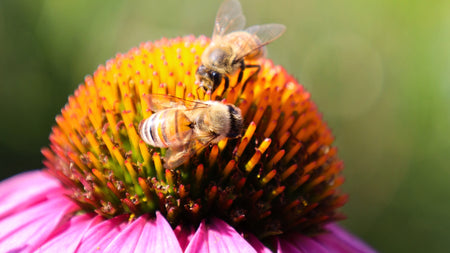
In early spring, Merlot Redbud blooms before the leaves fully emerge, covering branches with bright lavender-pink flowers. This timing is the magic: it delivers a true “first color moment” in the landscape when most trees are still waking up. Flowers appear along stems and older wood, creating a full, branch-hugging bloom display that looks lush and sculptural—like the tree is lit from within.
Those blooms are also a meaningful boost for early-season pollinators, which is a big reason redbuds are beloved in layered landscapes. Plant Merlot where you’ll see it from a window in late winter/early spring, along a driveway approach, or near a patio that needs a seasonal wow. It’s the kind of bloom that makes people ask, “What is that tree?”—and then the foliage keeps the conversation going long after spring.
Compact Size That Fits Small Yards And Modern Landscapes
Merlot is a more compact redbud, typically maturing around 12–15 feet tall and 12–15 feet wide. That smaller footprint makes it ideal for today’s landscapes—front yards, townhouse lots, side yards, and tighter garden rooms where you want a real tree presence without overwhelming the space. The habit tends to be upright with a dense canopy, which gives it a clean silhouette and makes it easy to design around.
Because it stays manageable, Merlot works beautifully as a specimen tree, a garden “ceiling” over perennials, or a focal point near hardscape. It’s also a smart choice for layered planting: tuck low shrubs and groundcovers beneath it, and you’ll get a polished, three-tier look (ground layer, mid layer, canopy) in a relatively small footprint. In other words, this is the redbud for shoppers who want big impact in a space-smart size.
Heat-And-Drought Tolerance With Straightforward Care
Merlot was selected for strong performance in real gardens, including better tolerance to heat and periodic drought once established. Give it full sun to partial sun and well-drained soil, and it will settle in steadily without demanding constant attention. The biggest keys are simple: avoid soggy roots, mulch the root zone to stabilize moisture and temperature, and water deeply during the first growing season so the root system expands outward.
Pruning is minimal and mostly about timing. If you need to tidy the shape, do it in late spring, right after flowering, to preserve the natural habit while protecting future growth. With the right start—good drainage, a mulch ring, and consistent establishment watering—Merlot becomes the kind of ornamental tree that looks high-end and custom, but behaves refreshingly easy.
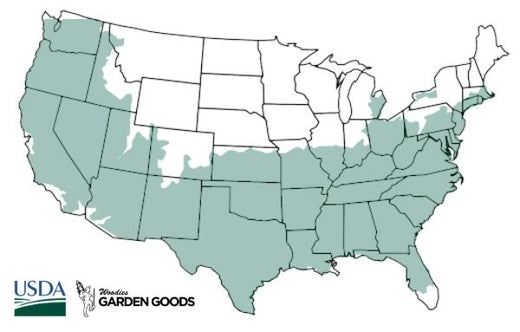
| Hardiness Zone: | 6-9 |
|---|---|
| Mature Height: | 12 to 15 feet |
| Mature Width: | 12 to 15 feet |
| Sunlight: | Full Sun to Partial Sun |
| Bloom Time / Color | Early spring; lavender-pink |
| Soil Condition: | Any well drained soil |
| Water Requirements: | Water well until established |
| Wildlife Value | Early-season nectar/pollen supports pollinators |
| Resistance (deer/disease/drought/etc.) | Drought/heat tolerant once established; not deer resistant |
| Landscape Uses | Specimen tree, front yard focal point, small-yard ornamental, patio tree, pollinator-friendly landscapes |
How to Care for Merlot Redbud
Be sure to read our planting instructions to ensure a healthy and happy Merlot Redbud Tree for years to come!
-v1771104749737.png?92x91)
How should I plant Merlot Redbud Tree?
Choose a site with full sun to partial sun and soil that drains well after rain. Dig a hole 2–3 times wider than the root ball and no deeper than the root ball’s height, then set the tree so the root flare is at or slightly above the surrounding grade. Backfill with native soil, firm gently to remove air pockets, and water deeply to settle the soil around the roots. Finish with a wide mulch ring (2–3 inches deep) over the root zone, keeping mulch a few inches away from the trunk. If your soil is heavy, planting slightly high and expanding the planting area outward with organic matter can help water move through the root zone instead of pooling.
-v1771104771029.png?89x84)
How often should I water Merlot Redbud Tree after planting?
Water thoroughly right after planting, then keep the root zone evenly moist during the first growing season. A reliable starting rhythm is 1–2 deep waterings per week, adjusting for rainfall, heat, and soil type. Sandy soils dry faster and may need more frequent watering, while clay holds moisture longer (but should never stay soggy). After the tree begins establishing, shift toward deep watering about once per week during dry spells, especially in summer. Deep, slow soaking encourages roots to grow outward and downward, which improves long-term drought tolerance and overall resilience.
-v1771104796949.png?90x89)
When should I fertilize Merlot Redbud Tree?
Fertilize in early spring as growth begins, but only if the tree needs it (slow growth or pale foliage can be signs). A balanced, slow-release tree-and-shrub fertilizer applied at label rates around the drip line is usually plenty, and it should be watered in well. Avoid piling fertilizer near the trunk. If your Merlot is growing well, you can often skip fertilizer and focus on consistent moisture, mulch, and soil health. Avoid late-season fertilizing, which can push tender growth at the wrong time and reduce the tree’s ability to harden off.

When and how should I prune Merlot Redbud Tree?
Prune in late spring, right after flowering, if you need to shape the tree or correct minor structural issues. Focus on removing dead, damaged, or crossing branches and maintaining a clean framework. Keep pruning targeted rather than heavy—Merlot’s natural habit is part of its appeal. If you’re training a young tree into a more “tree-like” form, selective pruning while it’s young helps build strong branch structure. Avoid major pruning during extreme heat or drought stress, and keep cuts clean to support quick healing.
Additional Information
Introduction of Merlot Redbud Tree:
This selection of Redbud was developed at a North Carolina State University breeding program initiated in 1998. Merlot Redbud tree is a distinct new cultivar of redbud that originated as a second generation descendant from the hybridization of 'Texas White' (Cercis canadensis var. texensis) x 'Forest Pansy' (Cercis canadensis). Bred as an alternative to Cercis canadensis 'Forest Pansy', it was selected for its dense semi-upright habit, glossy dark foliage, self cleaning flowers with low seed set, and tolerance to heat and drought, an improvement over Forest Pansy which has a spreading habit, dark matte foliage and prefers cooler conditions.