

Images Depict Mature Plants
Low Bush Blueberry Bush
Vaccinium angustifolium
Lowbush blueberries are one of my favorite “edible landscaping” moves because they give you that wild-blueberry charm in a plant that stays low, spreads naturally, and looks beautiful from spring bloom to red fall color. Get the soil acidic, keep it mulched, and give it sun, and you’ll end up with a berry patch that feels like it was always meant to be there.

15% OFF SITEWIDE, USE CODE 'FALLPLANT15'
📦 Free shipping on orders over $99.
Delay shipping by leaving us a message at Checkout.
Share:


Lowbush Blueberry Bush For Wild-Flavor Berries, Cold-Hardy Groundcover, And Beautiful Seasonal Color
Wild Blueberry Flavor In A Low, Edible Groundcover
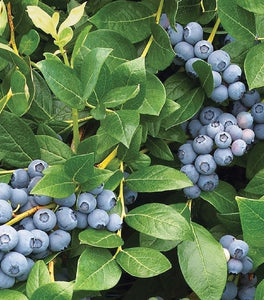
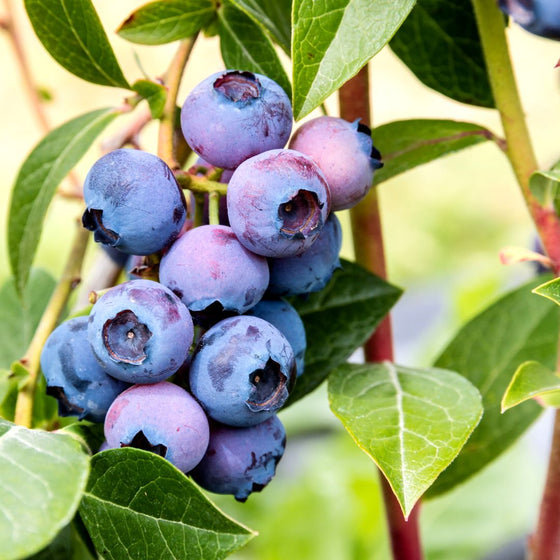
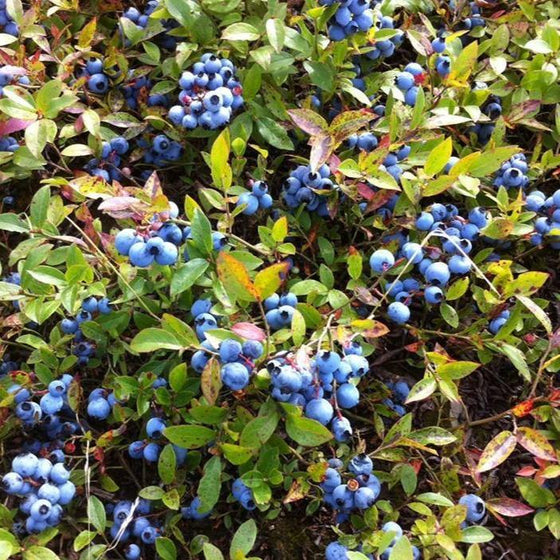
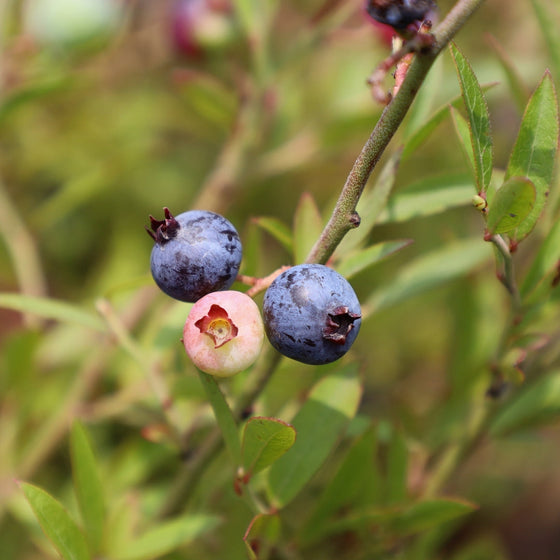
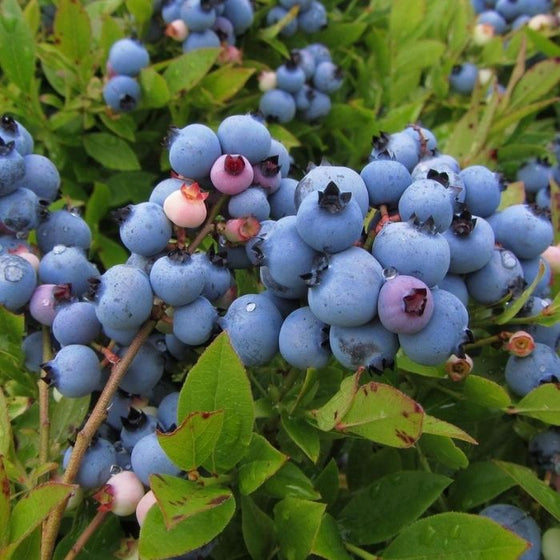
Lowbush Blueberry is the “wild blueberry” experience in plant form, low, natural, and wonderfully productive when it’s happy. Instead of growing as a tall shrub, it forms a spreading, ground-hugging patch that fits beautifully into edible landscapes, naturalized beds, and sunny borders. In spring, you’ll see small, delicate, bell-shaped flowers; in summer, you’ll harvest sweet berries with classic wild-blueberry character; and in fall, the foliage often turns rich red and burgundy for a final seasonal encore.
This is an ideal choice when you want food you can landscape with. Plant it as a living edging along a path, mass it in a sunny bed to create a blueberry “carpet,” or tuck it into a native planting where it looks right at home. It’s especially satisfying in small yards because it delivers fruit without taking up vertical space. If you love the idea of stepping outside to pick berries, but you don’t want a large shrub row, lowbush blueberries give you a more compact, more natural way to grow your own.
Cold-Hardy Performance With Four-Season Interest In Sunny Beds
Lowbush blueberries are valued for toughness, especially in colder climates where many fruiting shrubs struggle. Once established, they can handle winter cold and seasonal swings well, while staying compact and tidy in the landscape. During the growing season, the fine-textured foliage creates a soft, natural look that pairs well with ornamental grasses, coneflowers, native perennials, and low evergreen shrubs. In other words, it doesn’t look like a “fruit plant” stuck in the yard; it looks intentional.
The seasonal changes are part of the appeal. Spring flowers bring early charm (and pollinator activity), summer berries bring the harvest, and fall color brings a show. Even after leaf drop, the low structure helps define bed edges and reduce the “empty mulch” look in winter. For homeowners who want a landscape that feels alive and purposeful, this plant adds beauty and function without demanding constant maintenance.
A Natural Fit For Slopes, Borders, And “Blueberry Patch” Plantings
Because lowbush blueberries stay low and spread, they’re excellent for gentle slopes and banks where you want living coverage and a softer, more natural look than hard edging. They can also be planted as a productive groundcover under widely spaced trees (where the sun is still strong) or at the front of a sunny border where taller shrubs would be too bulky. If your goal is a true patch, something you can walk up to and pick from, plant several and let them knit together into a berry-producing mat over time.
Spacing is where you get to choose your look. Wider spacing creates individual mounds that slowly fill in; tighter spacing creates a quicker groundcover effect that looks lush sooner. Either way, good airflow and sunlight matter for fruiting, so avoid cramming plants into deep shade or overly wet sites. Treat it like a groundcover with a purpose: give it sun, give it acidic soil, and give it room to become its best version of a wild blueberry patch.
The Blueberry Basics: Acidic Soil, Consistent Moisture, And Great Drainage
Lowbush blueberries aren’t fussy, until soil pH is wrong. Like most blueberries, they strongly prefer acidic soil, typically in the 4.5 to 5.5 pH range, and perform best in well-drained, organic-rich soil that stays evenly moist. If your soil is neutral or alkaline, plan to amend with an acid-loving soil conditioner and mulch with pine bark, pine needles, or shredded leaves to help maintain acidity over time. This one step is the difference between “it survived” and “it thrived and fruited.”
Watering is most important during establishment and during fruit fill. Because blueberry roots are shallow and fine, they appreciate steady moisture and a mulch layer that keeps the root zone cool. At the same time, they do not like wet feet, so avoid low spots that stay soggy after rain. If you can give lowbush blueberries sun, drainage, and acidic soil, the plant does the rest, rewarding you with berries, fall color, and a landscape-friendly habit that feels naturally beautiful.
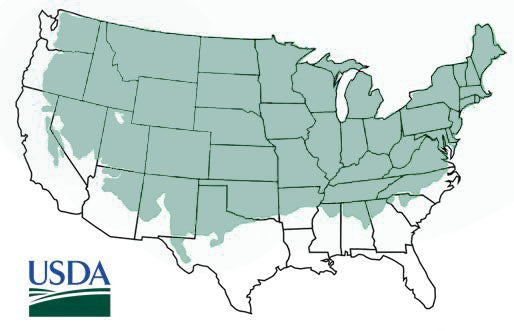
| Hardiness Zone: | 2-6 |
|---|---|
| Mature Height: | 1 to 1.5 Feet |
| Mature Width: | 2 to 3 Feet |
| Sunlight: | Full sun (best fruiting) |
| Bloom Time / Color: | Spring; small white to pinkish bell-shaped flowers |
| Ripening Window / Harvest: | Late July to late September |
| Soil: | Acidic, well-drained, organic-rich (pH ~4.5–5.5) |
| Water Requirements: | Moderate; consistent moisture, especially while establishing |
| Wildlife Value: | Pollinator-friendly blooms; berries loved by birds |
| Resistance (deer/disease/drought/etc.): | Not deer resistant; cold hardy; moderate drought tolerance once established |
| Landscape Uses: | Groundcover, edible borders, slopes/banks, native gardens, rock gardens, mass plantings |
How to Care for Low Bush Blueberry Bush
Before you buy a Lowbush Blueberry Plant, make sure to read about the recommended care instructions to keep this plant healthy, thriving, and producing Delicious Berries for many years.
-v1771610070496.png?92x91)
How should I plant Lowbush Blueberry Bush?
Plant Lowbush Blueberry Bush in full sun with acidic, well-drained soil. Dig a hole about twice as wide as the root ball and no deeper, then set the plant so the top of the root ball is level with the surrounding soil. Backfill gently, water deeply, and avoid burying the crown, which can slow establishment. Mulch right away with 2–4 inches of pine bark, pine needles, or shredded leaves to keep roots cool, reduce weeds, and help maintain acidity. If your soil is not naturally acidic, amend the planting area before planting and re-check pH over time. Blueberries perform best when the root zone stays moist, mulched, and consistently acidic.
-v1771610094826.png?89x84)
How often should I water Lowbush Blueberry Bush after planting?
Water thoroughly right after planting, then keep the root zone evenly moist through the first growing season. As a baseline, plan on 1–2 deep waterings per week when rainfall is light, adjusting for heat and soil type so the plant never swings between bone-dry and saturated. After the first year, water during dry spells, especially during flowering and fruit fill. Mulch is your best friend here—it reduces evaporation and keeps shallow blueberry roots from stress. If leaves look dull or the soil dries quickly, increase watering frequency while keeping drainage strong.
-v1771610111166.png?90x89)
When should I fertilize Lowbush Blueberry Bush?
Fertilize in early spring as growth begins using a fertilizer formulated for blueberries or other acid-loving plants. Apply at label rates and keep fertilizer a few inches away from the plant base to protect shallow roots. Light, steady feeding supports healthy growth and better berry production. Avoid heavy fertilizing later in summer, which can push tender growth at the wrong time. If you maintain acidic soil and refresh organic mulch, you may find you need only modest fertilizer. Compost top-dressing under the mulch in spring can also support long-term soil health.

When and how should I prune Lowbush Blueberry Bush?
Prune the Lowbush Blueberry Bush in late winter or early spring while dormant. Start by removing dead, damaged, or weak stems, then thin lightly so sunlight can reach the interior and new shoots have room to develop. The goal is a vigorous patch with a mix of younger, productive growth. Because lowbush blueberries are naturally low and spreading, pruning is more about renewal than shaping. Over time, removing older wood encourages the growth of new stems, which support better flowering and fruiting. Avoid shearing like a hedge; selective thinning and renewal cuts lead to healthier plants and more reliable harvests.