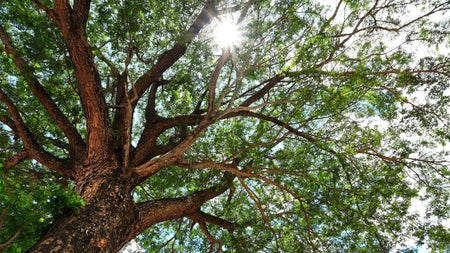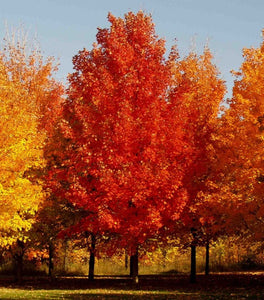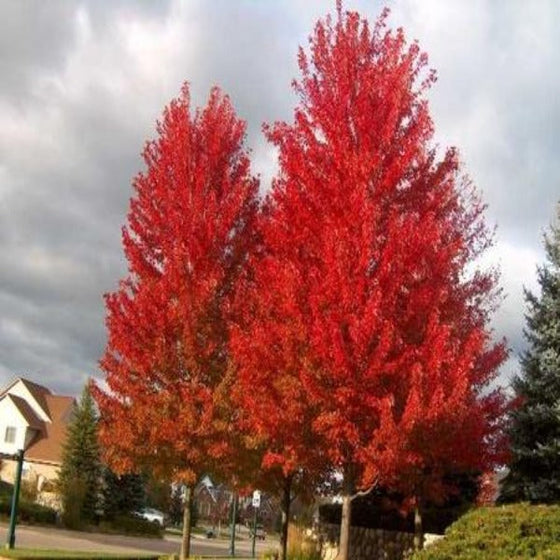
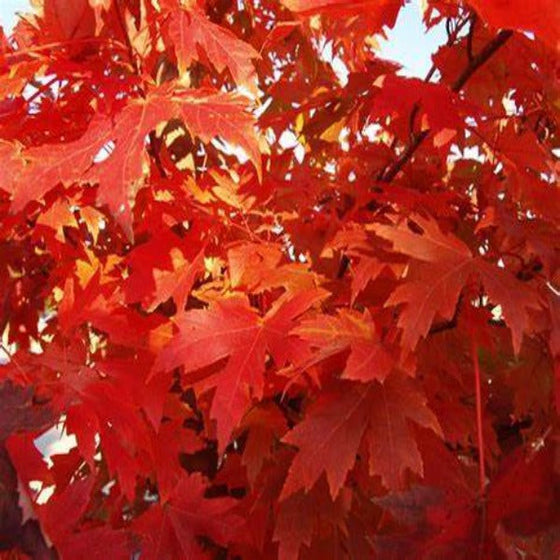
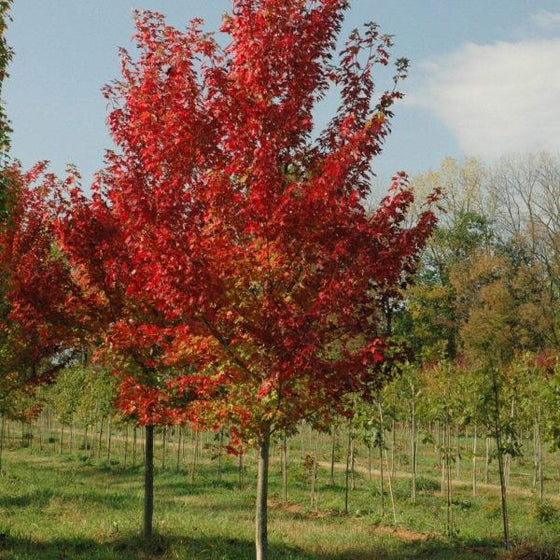


Images Depict Mature Plants
Autumn Flame Red Maple Tree
Acer rubrum 'Autumn Flame'
Autumn Flame is the tree I reach for when someone wants shade fast and fall color early—because it starts the red-orange show before many other maples even think about turning. Add in that cleaner, seedless habit, and it feels like a true homeowner upgrade: less mess, more beauty, and a canopy that makes the yard feel established in a hurry.

15% OFF SITEWIDE SUMMER SALE
Use Code HELLOSUMMER15 at Checkout!
📦 Free shipping on orders over $99.
Delay shipping by leaving us a message at Checkout.
Share:

Fast-Growing Shade Tree With Early Fiery Fall Color And A Cleaner Lawn
Fast Shade That Makes A Young Landscape Feel Established
Autumn Flame Red Maple is a go-to shade tree when you want a meaningful canopy sooner. In strong growing conditions, it can add roughly 2–3 feet per year while it’s getting established, quickly developing into a full, rounded crown that cools lawns, patios, and outdoor living spaces. That faster canopy payoff makes it a smart choice for new builds, wide-open yards, and anywhere you want the “mature tree” feeling without the long wait.
Because it becomes a substantial tree, placement matters as much as the purchase. Give Autumn Flame room for its mature spread, and you’ll get a better-shaped canopy with less corrective pruning later. Plant it where the crown can open freely, away from tight corners and overhead conflicts —and it rewards you with comfortable shade, classic maple beauty, and a strong vertical anchor that makes the whole property look more finished.
Early Red-Orange Fall Color That Shows Up First
Autumn Flame is known for being one of the earliest red maples to light up in fall, often shifting to red-orange tones before later-coloring cultivars. That timing advantage is huge if you love fall color and want the show to start sooner, especially in landscapes where you’re trying to extend seasonal interest across multiple trees and shrubs.
For the strongest color, prioritize full sun and avoid stressing the tree through summer. Consistent moisture helps it hold foliage longer and color more richly, while a wide mulch ring improves soil conditions and reduces heat stress at the roots. Planted where you can see it from your main windows or approach, Autumn Flame becomes the “first signal” that autumn has arrived, reliably, year after year.
Cleaner, Seedless Performance For Less “Maple Mess”
One of the most homeowner-friendly traits of Autumn Flame is its clean habit: it’s widely sold as a male selection that produces little to no fruit, which means fewer (or no) helicopter seeds to clutter sidewalks, sprout in beds, or collect in gutters. If you love maples but dislike seed cleanup, this is one of the easiest ways to keep the classic look while reducing maintenance.
That cleaner performance also makes it a great choice near patios, driveways, and entry walks where litter is more noticeable. You still get the full ornamental package, lush summer foliage, a dense crown, and standout fall color, without the extra seasonal mess that can come with seed-heavy maples. It’s a small detail that feels like a big upgrade once you live with the tree.
Adaptable Growth With Simple Care That Pays Off Long-Term
Autumn Flame performs best in moist, well-drained soil, but it’s adaptable to a range of common yard conditions when planted correctly and watered well during establishment. The first year is the most important: deep, slow watering builds deeper roots, improving stability and helping the tree handle heat and dry periods later. Pair that with a broad mulch ring (kept off the trunk) and you set the tree up for smoother growth and better fall color.
Pruning can stay simple. Rather than frequent shaping, focus on early structure: remove dead or rubbing branches and encourage well-spaced limbs so the canopy matures strong. With proper spacing and light structural pruning, Autumn Flame grows into a dense, rounded shade tree that looks great from the street and stays easier to manage, exactly what most homeowners want from a large maple.
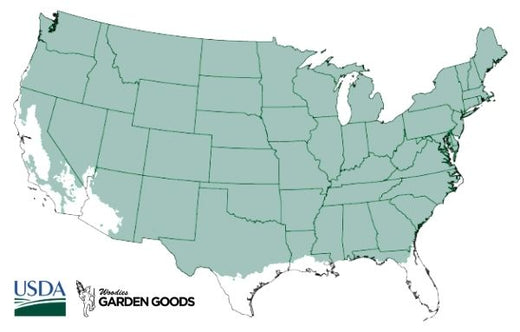
| Hardiness Zone: | 3-8 |
|---|---|
| Mature Height: | 44 to 50 Feet |
| Mature Width: | 40 to 50 Feet |
| Sunlight: | Full sun to part shade (best fall color in full sun) |
| Bloom Time / Color | Early spring; small flowers (often greenish-yellow to red-toned depending on stage) |
| Soil Condition: | Adaptable; best in moist, well-drained soils |
| Water Requirements: | Moderate; consistent moisture while establishing, then deep watering during drought |
| Wildlife Value | Early-season blooms; canopy habitat and cover for birds |
| Resistance (deer/disease/drought/etc.) | Seedless/low-fruit male selection; moderate drought tolerance once established; deer may browse young trees |
| Landscape Uses | Specimen shade tree, large lawns, street tree, fall color focal point, driveway/entry planting |
How to Care for Autumn Flame Red Maple Tree
Be sure to read our planting instructions to ensure a healthy and happy Autumn Flame Red Maple Tree for years to come!
-v1771857356867.png?92x91)
How should I plant Autumn Flame Red Maple Tree?
Plant Autumn Flame Red Maple Tree in full sun to part shade where it has room to reach its mature width. Dig a hole 2–3 times wider than the root ball and only as deep as the root ball so the root flare sits level with (or slightly above) the surrounding soil. Backfill with native soil, water slowly to settle, and create a wide mulch ring to protect the root zone. Keep grass and weeds out of the mulch ring so the tree doesn’t compete for moisture while establishing. If the site is windy or the root ball feels unstable, stake temporarily and remove supports after the first growing season so the trunk can strengthen naturally.
-v1771857381846.png?89x84)
How often should I water Autumn Flame Red Maple Tree after planting?
Water deeply right after planting, then keep the root zone evenly moist through the first growing season. In most landscapes, that means deep watering 1–2 times per week when rainfall is light, increasing during hot or windy stretches so moisture reaches the full root zone. After establishment, Autumn Flame becomes more drought tolerant, but it still performs best with occasional deep watering during extended dry spells. A wide mulch ring helps moisture stay consistent and reduces heat stress, which supports both growth rate and fall color.
-v1771857397282.png?90x89)
When should I fertilize Autumn Flame Red Maple Tree?
Fertilize in early spring if growth is weak or if a soil test indicates a nutrient need. Use a slow-release, balanced fertilizer applied over the root zone (not against the trunk) to encourage steady, durable growth rather than overly soft, fast growth. In many yards, improving soil health does more than frequent feeding. Compost top-dressing and maintaining the mulch ring support better soil structure and moisture retention—two things maples respond to especially well over time.

When and how should I prune Autumn Flame Red Maple Tree?
Prune primarily for structure: remove dead, damaged, or rubbing branches and encourage well-spaced scaffold limbs as the tree matures. Make clean cuts at the branch collar and avoid heavy thinning, which can stress the tree and reduce the dense shade canopy. Light, periodic structural pruning while young is easier than large corrective cuts later. Focus on preventing crowded branch attachments and maintaining a balanced canopy to keep the tree strong, attractive, and low-maintenance in the long term.