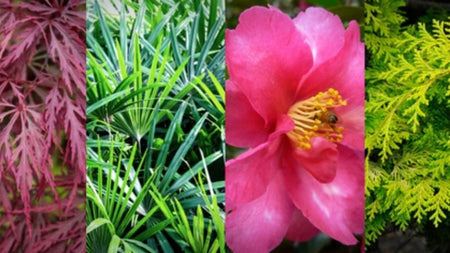
Images Depict Mature Plants
Coral Bark Japanese Maple
Acer palmatum 'Sango Kaku'
Coral Bark Japanese Maple is one of those trees that earns its place because it gives you something beautiful to look at in every season. I especially like it for winter interest, when the red bark really starts to glow, and the whole tree stands out in a way most small ornamentals do not. It is a great choice for homeowners who want a Japanese maple that brings structure, color, and character long after the leaves are gone.

15% OFF SITEWIDE, USE CODE 'FALLPLANT15'
📦 Free shipping on orders over $99.
Delay shipping by leaving us a message at Checkout.
Share:


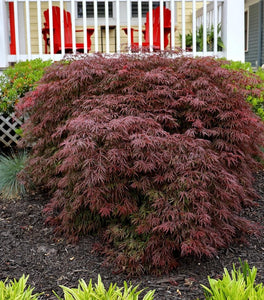
Brilliant Coral Bark and Four-Season Garden Interest
A Japanese Maple Chosen as Much for Winter as for Foliage
Coral Bark Japanese Maple is one of the most distinctive ornamental trees for four-season interest. Its young branches glow coral-red to pink-red, and that bark color becomes especially striking in winter when the leaves have dropped and the branch structure is fully visible. That is the feature that gives the tree its name and makes it such a standout in the landscape during the colder months.
Unlike many Japanese maples chosen mainly for their red summer foliage, Coral Bark Japanese Maple offers a different kind of appeal. The foliage emerges light green, often with reddish edges in spring, matures to fresh green through the growing season, and then turns bright golden yellow in fall. That seasonal progression gives the tree beauty well beyond one moment and makes it especially useful for homeowners who want a specimen tree with changing interest from spring through winter.
An Upright Form That Fits Small to Medium Landscapes
Coral Bark Japanese Maple is an upright, vase-shaped Japanese maple rather than a cascading laceleaf type. That makes it a strong choice for homeowners who want the elegance of a Japanese maple but prefer a tree with more height and vertical structure. It typically matures around 20 to 25 feet tall and about 15 to 20 feet wide over time, which gives it a presence without pushing it into the scale of a large shade tree.
That upright habit makes it especially useful in foundation corners, island beds, entry gardens, and focal-point plantings where a broad weeping tree would not be the right fit. It can also work beautifully in courtyard-style gardens and more structured planting plans where the vertical branching helps draw the eye upward. For homeowners seeking a small ornamental tree with a refined silhouette, the Coral Bark Japanese Maple is a very practical and elegant option. This landscape-use guidance is an inference based on its cited size and upright form.
Bright Bark, Fresh Green Leaves, and Golden Fall Color
One of the strongest reasons to choose this tree is that it stays interesting in every season. In spring, the new foliage emerges in soft green tones with light red edging. In summer, it settles into a fresh green canopy that gives the tree a clean, bright look in the landscape. In fall, the foliage shifts to yellow or golden yellow, creating a warm contrast against the red bark.
Then winter becomes its signature season. The bark color is brightest on young stems and younger branches, and that coral-red effect stands out especially well against evergreen backgrounds, dark mulch, stone, or snow. That makes Coral Bark Japanese Maple one of the best Japanese maples for homeowners who want winter interest without relying only on evergreens.
Best Placement for Strong Color and Healthy Growth
Coral Bark Japanese Maple performs best in moist, well-drained soil with protection from the harshest conditions. In warmer regions, bright dappled shade or morning sun with afternoon shade is often the best fit, while in cooler climates it can take more sun. That balance helps protect leaf quality while still allowing the tree to color well and grow with a strong, healthy habit.
Like many Japanese maples, it benefits from thoughtful siting more than heavy maintenance. Once established in the right place, it becomes a dependable ornamental tree with exceptional year-round character. For homeowners who want a Japanese maple that offers more than just leaf color, Coral Bark Japanese Maple remains one of the most rewarding and recognizable choices available.

| Hardiness Zone: | 5-8 |
|---|---|
| Mature Height: | 20 to 25 feet |
| Mature Width: | 15 to 20 feet |
| Sunlight: | Full sun to partial shade; best with protection in hotter climates |
| Bloom Time / Color | Grown for bark and foliage rather than flowers |
| Soil Condition: | Moist, well-drained soil |
| Water Requirements: | Water well until established |
| Uses: | Regular moisture during establishment; prefers evenly moist but not soggy soil |
| Ornamental Features | Coral-red young bark, upright vase-shaped form, light green foliage, golden fall color |
| Resistance (deer/disease/drought/etc.) | Low-maintenance when properly sited; best performance with protection from harsh drought and drying exposure |
| Landscape Uses | Specimen tree, foundation accent, courtyard garden, focal point planting, four-season interest tree |
How to Care for Coral Bark Japanese Maple
Before you buy Coral Bark Japanese Maple Trees, make sure to read about the care instructions that are recommended to keep this plant healthy and thriving.

How should I plant Coral Bark Japanese Maple?
Plant Coral Bark Japanese Maple in well-drained soil where it has room to develop its upright, vase-shaped habit. Dig a hole two to three times as wide as the root ball but no deeper than the root ball itself, and set the root flare at or slightly above grade. Choose a spot where the tree has some protection from the harshest afternoon conditions if you are gardening in a hotter climate. The root flare guidance here follows standard tree-planting best practice; the light and drainage guidance is supported by the cited cultivar sources. This tree is especially effective in foundation corners, island beds, and focal-point areas where the bark and branch color can be appreciated in winter. It also benefits from a darker backdrop, such as evergreens or mulch, which helps the coral bark show more clearly. The backdrop suggestion is a design inference based on the cited bark trait.

How often should I water Coral Bark Japanese Maple after planting?
Water deeply right after planting and keep the soil evenly moist during establishment. Coral Bark Japanese Maple prefers moist, well-drained soil, so regular deep watering during the first growing season is more helpful than frequent shallow watering. Once established, it still performs best when the root zone does not swing between drought and soggy conditions. Mulch helps keep moisture more even and protects the roots during summer heat. The mulch guidance is a standard care inference based on the cited moisture preference.

When should I fertilize Coral Bark Japanese Maple?
Coral Bark Japanese Maple usually does not need heavy fertilization. In most landscapes, a light feeding in early spring is enough if the tree appears to need extra support. Healthy soil, mulch, and steady watering habits are usually more important than pushing rapid growth. This is a best-practice inference based on the cited slow-to-moderate growth habit and general Japanese maple culture. Overfertilizing can encourage soft growth and take away from the refined habit that makes this tree so attractive. A modest approach is usually best for ornamental maples grown for structure and seasonal beauty. This caution is also a care inference.

When and how should I prune Coral Bark Japanese Maple?
Coral Bark Japanese Maple usually needs only light pruning. The best approach is to remove dead, damaged, or crossing branches and preserve the natural upright form. Because the best bark color appears on young twigs and branches, excessive pruning is usually unnecessary to make the tree attractive. If shaping is needed, prune carefully during dormancy or when the branch structure is easy to see. The goal should be to maintain graceful structure rather than force the tree into a tighter outline. This timing and approach are standard ornamental-tree care inferences based on the cited structure and bark features.