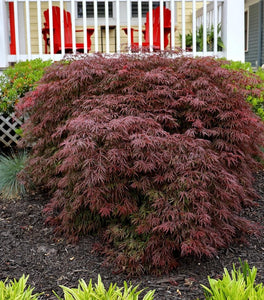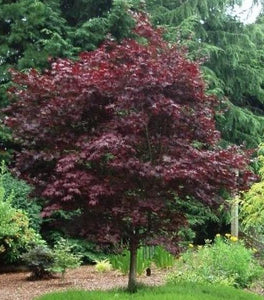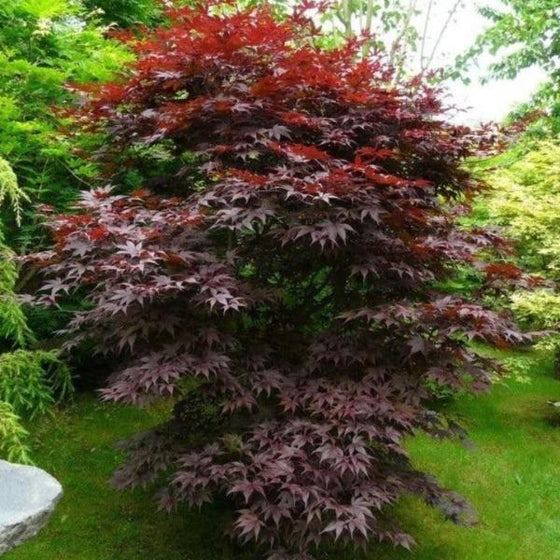
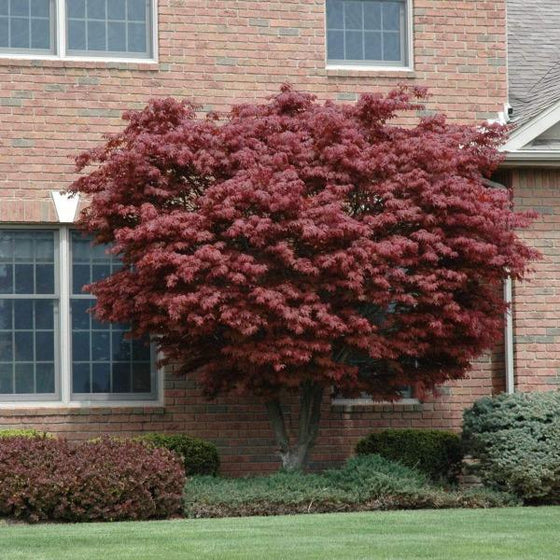
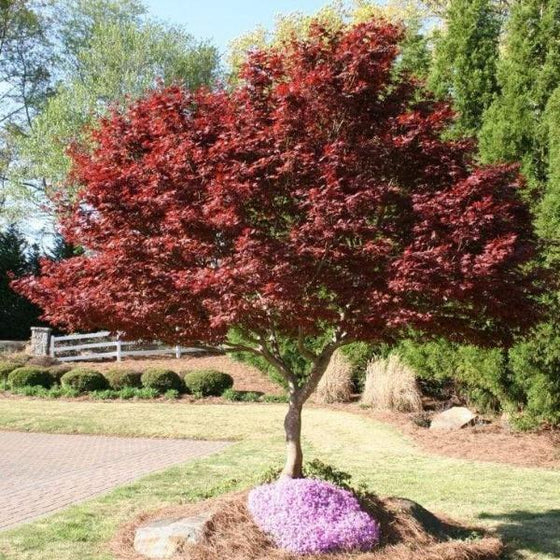


Images Depict Mature Plants
Bloodgood Japanese Maple
Acer palmatum 'Bloodgood'
Bloodgood is the Japanese maple I reach for when someone wants that classic red-leaf look without the “finicky” reputation. Elegant branching, rich burgundy foliage, and a crimson fall finish that feels like a season finale. Put it where it’s protected from harsh wind and blazing afternoon heat, keep the soil evenly moist while it establishes, and you’ll have a focal tree that makes the whole landscape feel more intentional.

15% OFF SITEWIDE, USE CODE 'FALLPLANT15'
📦 Free shipping on orders over $99.
Delay shipping by leaving us a message at Checkout.
Share:


Bloodgood Japanese Maple Tree For Rich Red Foliage And Elegant Structure
A signature red-leaf focal tree that elevates any landscape
Bloodgood Japanese Maple is the classic choice when you want a tree that looks curated, not common. The foliage emerges in rich burgundy-red and holds its color beautifully through the growing season, creating instant contrast against green shrubs, conifers, and summer perennials. The canopy has a refined, layered look that reads “designer” from the street and feels calming up close, especially when planted as a standalone specimen.
This is a perfect tree for high-visibility spots: near an entry, by a patio, at the corner of a foundation bed, or as a centerpiece in a small lawn. It brings color without relying on flowers, and its shape adds structure year-round. If you want one plant that quietly improves the entire scene, Bloodgood is the kind of choice you rarely regret.
Crimson fall color and graceful branching for four-season appeal
When autumn arrives, Bloodgood puts on a strong show, often shifting to brilliant crimson and red tones that glow in fall light. After leaf drop, the branching becomes the feature: a muscular, layered structure that adds winter interest without looking bare or messy. That “bones of the garden” effect is why Japanese maples feel so special in winter landscapes.
It also plays well with lighting. Uplight it at night, and the branching becomes art. Pair it with evergreens behind it and the fall and winter structure stands out even more. For homeowners who want a tree that looks good beyond spring, Bloodgood delivers a long season of beauty with a memorable finish.
Smart siting for healthier leaves and better summer color
Bloodgood tolerates full sun better than many Japanese maples, but the best-looking trees are usually planted with a little protection. Morning sun and afternoon shade are ideal in hot-summer areas, and a sheltered spot out of drying winds helps prevent leaf scorch. The goal is steady moisture in a well-drained soil, moist, rich, and never soggy.
When the site is right, you get cleaner foliage, stronger color, and a more relaxed canopy that doesn’t look stressed in midsummer. Mulch is your best friend here: it cools the roots, holds moisture, and improves the tree’s establishment. If you’re choosing a Japanese maple for real-world conditions, Bloodgood is a reliable performer, especially when you give it that protected, moisture-stable start.
Low-maintenance care with pruning that stays minimal and intentional
Bloodgood doesn’t need heavy pruning to look good. Most of the time, it’s about subtle refinement: removing dead or crossing branches, improving airflow, and keeping a balanced silhouette. A little thoughtful pruning helps the canopy look layered and elegant—never hacked, never forced.
Spacing is part of the “maintenance plan” as well. Give it room to mature, and you’ll prune less later. Treat it like a long-term focal tree: plant it correctly, water consistently in year one, and keep pruning light. The result is a showpiece tree that looks more valuable every season.
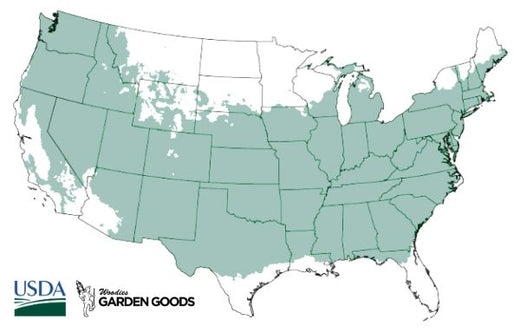
| Hardiness Zone: | 5 - 8 |
|---|---|
| Mature Height: | 12 to 20 feet |
| Mature Width: | Up to 15 to 20 feet |
| Sunlight: | Full sun to partial shade (best with protection from hot afternoon sun/wind) |
| Soil Condition: | Moist, rich, well-drained; slightly acidic to neutral is ideal |
| Water Require: | Moderate; keep evenly moist while establishing |
| Bloom Time / Color | Late spring; small red-purple flowers (not showy) |
| Wildlife Value | Light seasonal pollinator interest; canopy adds habitat value |
| Resistance (deer/disease/drought/etc.) | Moderately deer resistant; leaf scorch possible in hot/dry/windy sites |
| Landscape Uses | Specimen tree, entry/patio focal point, understory tree, Asian-inspired gardens, containers (with care) |
How to Care for Bloodgood Japanese Maple
Before you buy a Bloodgood Japanese Maple Tree, make sure to read about the recommended care instructions to keep this plant healthy and thriving.

How should I plant Bloodgood Japanese Maple?
Plant Bloodgood Japanese Maple in a protected site with well-drained soil and enough room for its mature spread. Dig a hole 2–3 times wider than the root ball, set the tree so the top of the root ball is level with (or slightly above) the surrounding soil, then backfill and water deeply to settle roots. Add a 2–3-inch mulch ring around the root zone, keeping the mulch several inches away from the trunk. Choose placement with sun and wind in mind. Morning sun with afternoon shade is ideal in hotter climates, and a sheltered spot reduces leaf scorch. Leave generous clearance from the house and hardscape so the canopy can develop naturally without constant pruning later.

How often should I water Bloodgood Japanese Maple after planting?
Water deeply right after planting, then keep the root zone evenly moist during the first growing season. A deep soak 1–2 times per week is a strong baseline in dry weather, increasing during heat, wind, or sandy soils that dry quickly. Water slowly at the base so moisture penetrates deeply and encourages deeper roots. Once established, Bloodgood is more tolerant of normal weather swings, but it still looks best with occasional deep watering during prolonged drought. Consistent moisture is the simplest way to keep foliage healthier and reduce summer leaf scorch.

When should I fertilize Bloodgood Japanese Maple?
Fertilize in early spring as buds begin to swell using a balanced, slow-release tree/shrub fertilizer, or top-dress with compost to build soil health. Japanese maples respond well to moderate fertility—enough to support steady growth without pushing overly soft, fast growth that can stress in summer. Avoid heavy late-season fertilizing. If your tree is leafing out well and showing good color, keep feeding light and focus on mulch and moisture management, which usually matters more for long-term success.

When and how should I prune Bloodgood Japanese Maple?
Prune Bloodgood Japanese Maple in late winter while dormant for structural work—removing dead, damaged, or crossing branches and improving the overall framework. Keep cuts clean and minimal; the goal is to preserve the natural layered architecture, not force a shape. Fine, cosmetic pruning can also be done lightly after leaf-out if you’re refining the silhouette. Avoid heavy pruning in hot weather, and don’t remove too much canopy at once—slow, thoughtful pruning keeps the tree healthy and looking elegant.