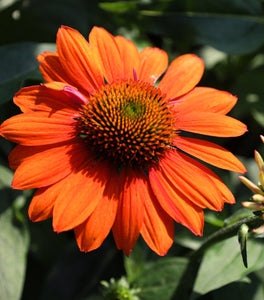
Images Depict Mature Plants
Red Midget Ratibida
Ratibida columnifera 'Red Midget'
Red Midget Ratibida is the kind of native perennial I like when a sunny garden needs real personality without a lot of fuss. The flowers have that unmistakable Mexican Hat look, the compact habit makes it easier to use than taller prairie coneflowers, and once it settles in, it handles heat and drought like a champ. For pollinator beds, prairie-style borders, and low-water plantings where homeowners want something bright, durable, and a little different, this is a very smart perennial to add.

15% OFF SITEWIDE SALE
Use Code 'PRIMETIME15' At Checkout
📦 Free shipping on orders over $99.
Delay shipping by leaving us a message at Checkout.
Share:



Native Summer Color with Drought-Tolerant Blooms for Sunny Pollinator Gardens
A Native Perennial That Brings Prairie Color to Smaller Spaces
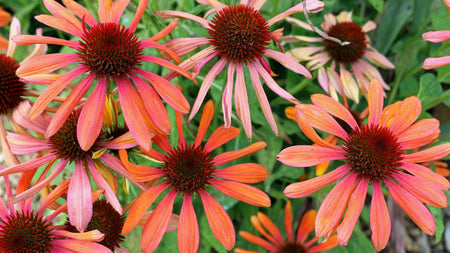
Red Midget Ratibida is a smart choice for homeowners who want the wildflower charm of prairie coneflower in a more manageable size. This compact native perennial brings the distinctive Mexican Hat bloom form gardeners love, but in a scale that works especially well in smaller sunny borders, pollinator gardens, and front-of-bed plantings. Its rich red to mahogany-toned petals and tall central cone give it an unmistakable look that feels natural, lively, and full of character.
The flower shape is one of its biggest strengths. The petals reflex downward around a prominent central cone, creating that classic sombrero-like silhouette that makes Ratibida such a memorable garden plant. Red Midget keeps that ornamental personality while staying shorter and easier to place than taller prairie coneflower types. That makes it especially useful for homeowners who want a native flower style without a planting that feels too tall or too loose.
Its compact habit also makes it easier to integrate into more intentional landscape design. It works well in cottage gardens, prairie-inspired beds, hot borders, and mixed native plantings, where every plant must contribute both beauty and function. Rather than disappearing into the planting, Red Midget brings a clear seasonal accent that still looks at home in a naturalistic setting.
For gardeners looking for a native perennial with strong summer color and a little more control in the landscape, Red Midget Ratibida offers a very appealing balance of wildflower beauty and practical size.
Long Summer Bloom and Pollinator Activity Keep the Garden Alive
Red Midget Ratibida is especially valuable because it blooms through the warm season when many other flowers are beginning to slow down. Its bloom period typically starts in midsummer and can continue into late summer or early fall, helping sunny beds stay active and colorful during the hottest part of the year. That makes it a strong plant for homeowners who want the garden to keep performing well after spring and early summer flowers have passed.
The blooms are also excellent for pollinator activity. Bees, butterflies, and other beneficial insects are drawn to the flowers, which makes this perennial a natural fit for pollinator gardens and wildlife-friendly plantings. In mixed borders, it helps keep the garden moving and buzzing at a time when that kind of activity is especially noticeable and rewarding.
Another strong advantage is the plant’s informal, easy look. The flowers have a naturalistic feel that works beautifully in native and meadow-style plantings, but because Red Midget is more compact, it also fits comfortably into more refined residential borders. That flexibility makes it easier for homeowners to add a native plant without the planting feeling too wild or unruly.
For gardeners who want a perennial that supports pollinators and adds reliable midsummer color, Red Midget Ratibida is a strong performer. It brings motion, bloom, and character to sunny spaces in a very approachable way.
A Strong Fit for Xeriscapes, Prairie Gardens, and Hot Sunny Borders
Red Midget Ratibida performs best in full sun and is especially useful in places where many traditional perennials struggle. It thrives in hot, open sites and is well suited to drought-tolerant borders, prairie-style plantings, native gardens, gravel beds, and low-water landscapes. Once established, it handles dry conditions with confidence, which makes it a valuable plant for homeowners who want beauty without building the garden around constant irrigation.
Its mature size is one of its most practical design advantages. Red Midget generally stays in the range of about 18 to 24 inches tall, sometimes stretching a bit taller in ideal conditions, with a moderate spread that makes it easy to place among grasses, coneflowers, black-eyed Susans, and other sun-loving perennials. That means it is tall enough to be noticed, but still compact enough for the front or middle of the border.
This is also a very strong plant for massing. Planted in groups, the flowers create a repeated pattern of red blooms and upright cones that feels lively and intentional. Used that way, it brings a lot of energy to a bed without becoming too dense or too formal. It is especially effective in naturalistic plantings where repetition and seasonal movement matter more than rigid structure.
For homeowners designing for heat tolerance, low water use, and pollinator value, Red Midget Ratibida is a very useful perennial. It gives sunny gardens a more resilient and ecologically grounded flower palette while still looking bright and ornamental.
Easy-Care Growth with Strong Performance in Lean, Sunny Soil
Red Midget Ratibida is one of the easier native perennials to grow when it is given the right conditions. It performs best in full sun and in well-drained soil, including lean, sandy, rocky, or average garden soils. In fact, overly rich soil is not necessary and can sometimes work against the kind of tidy, resilient growth that makes this plant so dependable in sunny gardens.
During establishment, regular watering helps the roots settle in, but once the plant is rooted, it becomes notably drought-tolerant and does not ask for much extra care. That makes it especially appealing to homeowners who want flowers that can take heat and dry conditions without becoming a constant maintenance project. It is also generally considered deer-resistant, which adds another layer of value in landscapes where browsing pressure can limit planting choices.
Maintenance is simple. Deadheading can help tidy the plant and may encourage a cleaner, continued bloom display, while leaving some seedheads later in the season can support a more natural look. At the end of the year or in late winter, old stems can be cut back to make way for fresh new growth. The overall care routine is straightforward and easy to manage.
For gardeners who want a native perennial with bright flowers, long bloom, and low-maintenance toughness, Red Midget Ratibida is a rewarding choice. It gives the landscape a more durable, pollinator-friendly kind of beauty that works especially well in sunny, challenging sites.
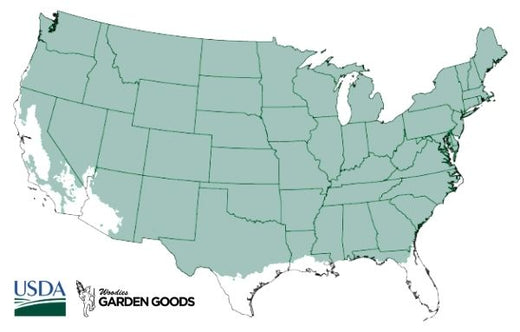
| Hardiness Zone: | 3-8 |
|---|---|
| Mature Height: | 18-24 Inches |
| Mature Width: | 12 to 18 Inches |
| Sunlight: | Full sun |
| Water Requirements: | Moderate during establishment; drought tolerant once established |
| Soil | Well-drained soil; tolerant of lean, sandy, rocky, or average soils |
| Bloom Time / Color | Midsummer into late summer or early fall; red to mahogany-red blooms |
| Wildlife Value | Attracts bees, butterflies, and other pollinators |
| Resistance (deer/disease/drought/etc.) | Deer resistant, drought tolerant, heat tolerant, low-maintenance |
| Landscape Uses | Pollinator garden, prairie garden, xeriscape, sunny border, native planting, cottage garden, mass planting |
How to Care for Red Midget Ratibida
Be sure to read our planting instructions to ensure a healthy and happy Red Midget Ratibida for years to come!
-v1757508924081.png?92x91)
How should I plant Red Midget Ratibida?
Plant Red Midget Ratibida in full sun in well-drained soil. Dig a hole about twice as wide as the root ball and no deeper than the root ball itself, then place the plant so the crown sits level with the surrounding soil and backfill with the native soil. Water thoroughly after planting and avoid overly rich amendments that can create weaker, less compact growth. This perennial performs best when it is placed in a bright, open site with good drainage and enough room to develop its natural upright habit.

How often should I water Red Midget Ratibida after planting?
Water Red Midget Ratibida deeply right after planting, then keep the soil evenly moist during the establishment period. During the first growing season, that usually means watering during dry spells so the roots can settle in and support healthy flowering. Once established, this perennial is notably drought-tolerant and usually needs supplemental water only during extended periods of extreme heat or drought. Deep watering is better than frequent shallow watering, and soggy soil is much more likely to cause problems than brief dryness.
-v1757509106018.png?90x89)
When should I fertilize Red Midget Ratibida?
Red Midget Ratibida generally needs very little fertilizer. If your soil is especially poor, a light application of balanced slow-release fertilizer or compost in spring is enough to support healthy growth. Avoid heavy feeding, as this plant performs well in leaner conditions and does not need aggressive fertilizing to bloom. In most gardens, sun and drainage matter much more than rich soil or extra fertilizer.

When and how should I prune Red Midget Ratibida?
Cut back old stems in late winter or early spring before new growth begins. During the bloom season, you can deadhead spent flowers to keep the plant looking tidy and encourage a cleaner continued display. If you prefer a more natural look, you can also leave some seedheads in place later in the season before cutting the plant back. The goal is simply to refresh the plant, manage spent growth, and keep the clump vigorous and attractive year to year.