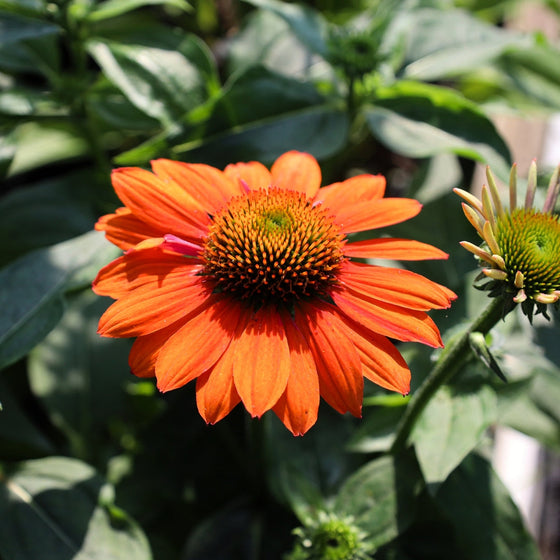


Images Depict Mature Plants
Sombrero Adobe Orange Coneflower
Echinacea hybid 'Sombrero Adobe Orange'
Sombrero Adobe Orange Coneflower is a great pick when you want the toughness of Echinacea with a brighter, warmer color than traditional purple coneflowers. I like it for sunny borders, containers, and pollinator gardens where its compact habit keeps the planting neat. Give it full sun, sharp drainage, and light feeding, and it will give you strong orange summer color without much fuss.

Save Up to 25% On Your Order! Limited Time Only!
Discount Applied Automatically At Checkout
📦 Free shipping on orders over $99.
Delay shipping by leaving us a message at Checkout.
Share:


Intense Orange Coneflower Color for Sunny Borders and Pollinator Gardens
Sombrero Adobe Orange Coneflower Brings Bold Summer Color
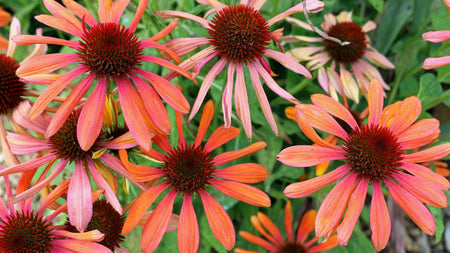
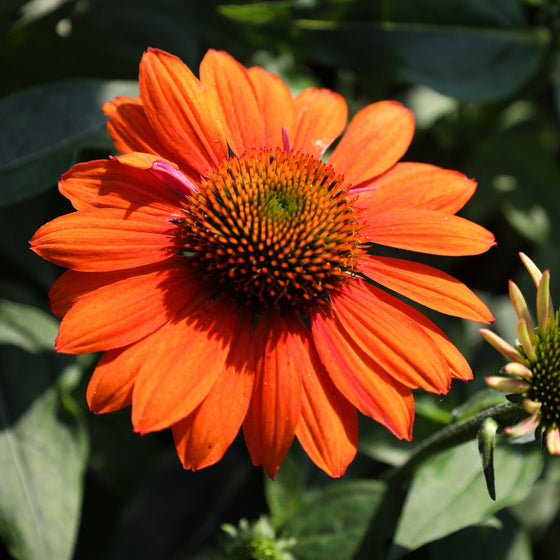
Sombrero Adobe Orange Coneflower is a compact orange Echinacea grown for its bright, saturated flowers and tidy garden habit. The intense orange petals surround a matching orange cone, creating a warm, high-impact color display that stands out beautifully in sunny borders, pollinator gardens, cottage gardens, and containers.
Also searched as Echinacea Sombrero Adobe Orange, this coneflower gives homeowners a strong alternative to traditional purple coneflowers. It delivers the familiar toughness of Echinacea with a hotter, more modern flower color that pairs easily with yellows, blues, purples, burgundy foliage, and ornamental grasses.
A Compact Orange Echinacea with Sturdy, Well-Branched Growth
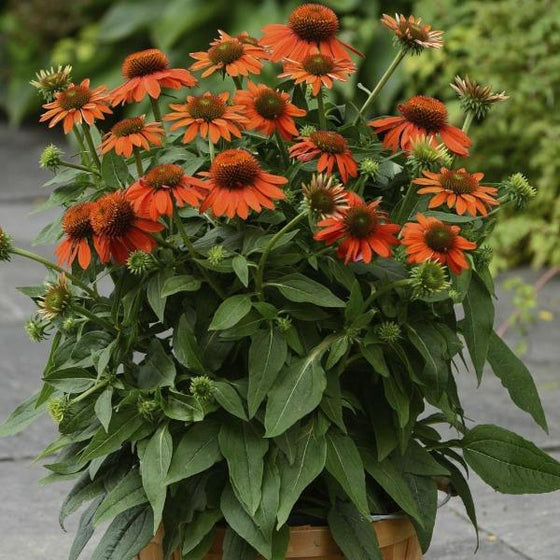
Sombrero Adobe Orange Coneflower has a compact, upright habit that fits neatly into home landscapes. Mature plants are commonly listed around 18 to 24 inches tall and wide, making them easy to use near the front or middle of perennial borders without overwhelming neighboring plants.
The well-branched form helps create a fuller look with plenty of flowers. In full sun and well-drained soil, the stems remain sturdy and usually do not need staking, making this a practical choice for low-maintenance gardens, curb appeal beds, and sunny container plantings.
Single Orange Flowers for Pollinators, Butterflies, and Summer Movement
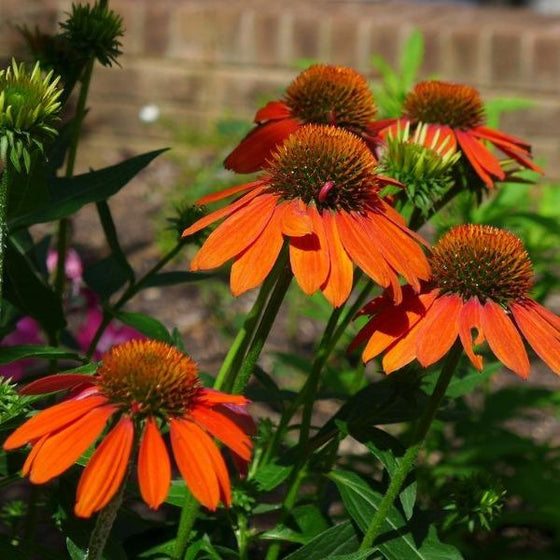
The single flower form gives Sombrero Adobe Orange Coneflower strong pollinator value. Bees, butterflies, and other beneficial insects can access the central cone more easily than they can on many heavily double flowers, making this cultivar a useful choice for pollinator-friendly plantings.
The orange blooms also make cheerful cut flowers. Plant in groups for the strongest effect, or repeat it through a sunny border to create rhythm and color from early to late summer. Leave some late-season seed heads standing if you want added texture and potential bird interest after bloom.
Full Sun, Good Drainage, and Drought Tolerance Once Established
Plant Sombrero Adobe Orange Coneflower in full sun for the best bloom count, strongest stems, and richest orange flower color. It can tolerate light part shade, but too much shade may reduce flowering and make the plant less compact.
Well-drained soil is essential. Coneflowers do not like soggy crowns or wet winter soil, especially in heavy clay. Once established, Sombrero Adobe Orange is drought-tolerant and heat-tolerant, making it a strong choice for sunny, lower-water perennial beds that still need reliable color.
Deer Resistant, Low Maintenance, and Easy to Refresh
Sombrero Adobe Orange Coneflower is generally considered deer resistant, thanks to its rough foliage and sturdy stems. No perennial is completely deer-proof, but Echinacea is a strong choice for sunny landscapes where deer browsing is a concern.
Maintenance is simple. Deadhead spent flowers to keep plants blooming and tidy, or leave some seed heads in fall for winter texture. Cut back old stems in late winter or early spring, before new growth begins. Avoid heavy fertilizer, which can create soft growth and fewer flowers.
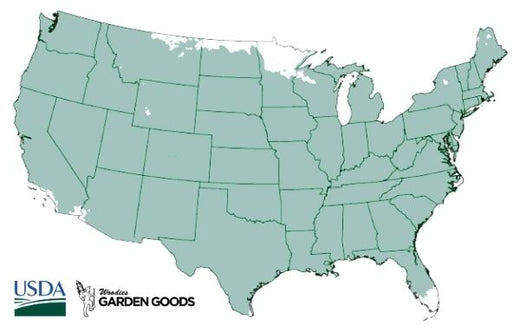
| Hardiness Zone: | 4-9 |
|---|---|
| Mature Height: | 18 to 24 Inches |
| Mature Width: | 18 to 24 Inches |
| Sunlight: | Full sun preferred; tolerates light part shade |
| Soil | Average to moderately fertile, well-drained soil |
| Water Requirements: | Average moisture during establishment; drought tolerant once established |
| Bloom Time / Color | Early summer to late summer; intense orange flowers with matching orange cones |
| Ornamental Features | Intense orange flowers, matching orange cone, compact habit, high flower count, sturdy stems |
| Wildlife Value | Attracts butterflies, bees, hummingbirds, and beneficial insects |
| Resistance | Generally considered deer resistant; drought tolerant once established; heat tolerant |
| Landscape Uses | Sunny borders, pollinator gardens, cottage gardens, containers, cut flower gardens, mass plantings, curb appeal beds |
How to Care for Sombrero Adobe Orange Coneflower
Be sure to read our planting instructions to ensure a healthy and happy Sombrero Adobe Orange Coneflower plant for years to come!
-v1760031184805.png?92x91)
How should I plant Sombrero Adobe Orange Coneflower?
Plant Sombrero Adobe Orange Coneflower in full sun with well-drained soil. Dig a hole about twice as wide as the root ball and just as deep as the container. Set the crown level with the surrounding soil, backfill with loosened native soil, and water thoroughly after planting. Space plants about 18 to 20 inches apart for a full, compact display, or up to 24 inches apart in mixed perennial borders. Avoid low, soggy locations. If your soil is heavy clay, improve drainage before planting or use a raised bed where the crown will not sit wet through winter.
-v1760031211965.png?89x84)
How often should I water Sombrero Adobe Orange Coneflower after planting?
Water Sombrero Adobe Orange Coneflower deeply after planting, then keep the soil evenly moist while the roots establish. During the first growing season, water when the top few inches of soil become dry, especially during hot, windy weather. Once established, this coneflower is drought tolerant and usually needs supplemental water only during extended dry spells. Water at the base of the plant when possible and avoid keeping the foliage constantly wet, which can increase leaf spot and mildew pressure.
-v1760031238821.png?90x89)
When should I fertilize Sombrero Adobe Orange Coneflower?
Fertilize Sombrero Adobe Orange Coneflower lightly in early spring if needed. A thin layer of compost or a modest application of slow-release balanced fertilizer is usually enough to support healthy growth and summer flowers. Avoid heavy feeding. Coneflowers are not heavy feeders, and too much nitrogen can push leafy growth at the expense of flowers. In average garden soil, this perennial often performs best with minimal fertilizer and good drainage.

When and how should I prune Adobe Orange Coneflower?
Deadhead spent flowers to keep the plant tidy and encourage additional bloom. Cut individual flower stems back to a healthy leaf or side shoot rather than shearing the whole plant flat. In late winter or early spring, cut back old stems before new growth begins. For a more wildlife-friendly garden, leave some seed heads standing through winter for texture and possible bird interest, then clean up the plant before spring growth emerges.