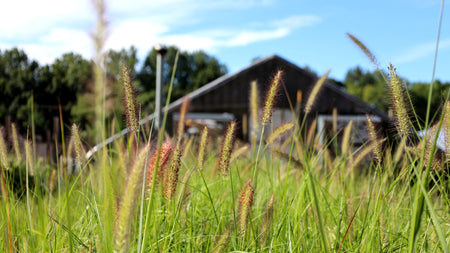
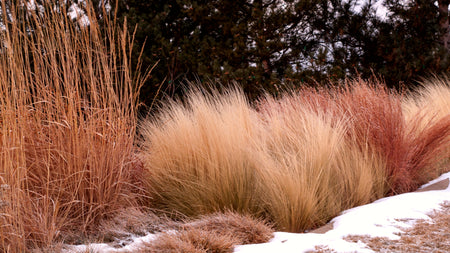
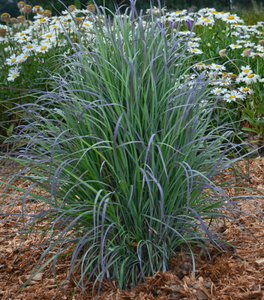
Images Depict Mature Plants
Prairie Dropseed Grass
Sporobolus heterolepsis
Prairie Dropseed is one of those grasses that makes everything around it look better. I’m especially drawn to the fine fountain-like foliage, the subtle fragrant seedheads, and the way it brings such a polished native look to borders, walkways, and mass plantings without ever feeling fussy. For homeowners who want a low-maintenance native ornamental grass with real elegance, drought tolerance, and four-season value, this is one of the very best choices out there.

15% OFF SITEWIDE SALE
Use Code 'PRIMETIME15' At Checkout
📦 Free shipping on orders over $99.
Delay shipping by leaving us a message at Checkout.
Share:Recommended Add-Ons


Graceful Native Grass Texture with Fragrant Seedheads and Four-Season Beauty
A Native Ornamental Grass with Refined Texture
Prairie Dropseed Grass is one of the most elegant native ornamental grasses for home landscapes. Its narrow, threadlike green blades form a soft, fountain-shaped mound that brings movement and texture without looking coarse or overgrown. For homeowners who want a grass that feels natural but still polished, Prairie Dropseed offers a very refined look that works beautifully in both formal and naturalistic plantings. It is a warm-season, clump-forming perennial grass known for dense tufts of fine foliage.
The foliage is a major part of the appeal. Instead of stiff upright blades, Prairie Dropseed develops a graceful arching habit that gives beds and borders a softer, more finished appearance. It can calm down bolder flowers, tie mixed plantings together, and add a fine-textured layer that makes neighboring shrubs and perennials look even better. This kind of texture is especially valuable in gardens where every plant needs to contribute something visually useful beyond flower color alone.
Because it stays clump-forming rather than aggressively spreading, it is much easier to place than many other ornamental grasses. Homeowners can use it with confidence in borders, along walkways, in mass plantings, or as a repeating accent without worrying that it will quickly take over the space. That controlled habit is one of the reasons it has become such a favorite in both native and traditional landscape design.
For gardeners seeking a native grass that offers beauty, structure, and refinement rather than bulk, Prairie Dropseed is an outstanding choice. It feels soft and natural, but still highly intentional in the landscape.
Late-Summer Blooms and Fragrance Add Another Layer of Interest
Prairie Dropseed is grown first for its foliage, but its late-summer flowering display is another big reason gardeners love it. Airy flower panicles rise above the mounded blades, creating a light, floating effect that adds even more movement and seasonal interest. The flowers are subtle rather than flashy, but that restraint is part of what makes them so beautiful in a well-designed landscape.
One of the most distinctive traits of Prairie Dropseed is the fragrance of the blooms and seedheads. They are often described as smelling like coriander, licorice, or cilantro, which gives this grass an extra sensory dimension that many ornamental grasses lack. Planted near paths, seating areas, or along borders where people pass close by, it becomes a plant that is not only seen but also experienced.
The flowers also transition beautifully into seedheads and fall texture. As the season moves on, the foliage often turns warm golden to orange tones, and the seedheads extend the interest well into autumn and winter. That makes Prairie Dropseed feel like a true four-season plant rather than a grass that peaks only once.
For homeowners who want more than just a green mound, Prairie Dropseed delivers a longer seasonal story. It offers summer bloom, fragrance, autumn color, and winter presence in one durable native grass.
A Strong Fit for Borders, Mass Planting, and Native Landscapes
Prairie Dropseed is especially useful in landscapes where texture, repetition, and long-term structure matter. It works beautifully in sunny borders, native gardens, prairie-style plantings, foundation-adjacent beds, and along walkways where the fountain-like habit can soften edges and create rhythm. Because the clumps are so neat and refined, it fits easily into more traditional landscapes as well as looser native designs.
Its mature size makes it easy to place. Prairie Dropseed generally forms foliage mounds around 2 feet tall and about 3 feet wide, with flower stalks rising somewhat above the foliage. That scale is large enough to matter in the landscape, but still controlled enough for residential beds, edging, and layered planting.
This is also an especially strong grass for massing. Repeated in groups, it creates a flowing ribbon of fine texture that can guide the eye through a planting and unify larger beds. It pairs especially well with coneflowers, black-eyed Susans, salvias, native perennials, and other warm-season flowers that benefit from a softer base and some seasonal contrast.
For homeowners seeking a grass that complements native character, offers drought tolerance, and delivers a polished look, Prairie Dropseed is one of the best grasses available. It helps a landscape feel grounded, resilient, and beautifully composed.
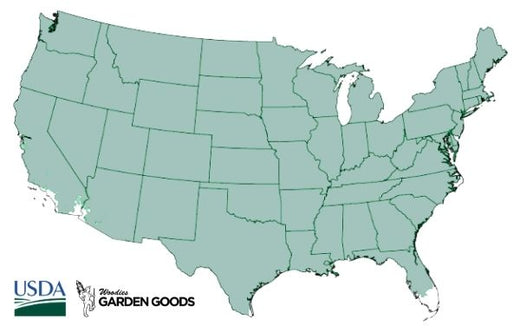
| Hardiness Zone | 3-9 |
|---|---|
| Mature Height: | 2-3 Feet |
| Mature Width: | 2 to 3 Feet |
| Sunlight: | Full Sun |
| Water Requirements: | Moderate during establishment; drought tolerant once established |
| Soil | Well-drained soil; tolerant of clay, sandy, rocky, and average soils |
| Bloom Time / Color | Late summer to early fall; airy pinkish to tan flower panicles |
| Wildlife Value | Supports birds with seeds and adds habitat structure; modest pollinator value during bloom |
| Resistance (deer/disease/drought/etc.) | Drought tolerant, heat tolerant, low-maintenance, clump-forming, not an aggressive spreader |
| Landscape Uses | Borders, walkways, mass planting, native gardens, prairie gardens, foundation-adjacent beds, four-season texture |
How to Care for Prairie Dropseed Grass
Before you buy Prairie Dropseed Grass, make sure to read about the care instructions that are required and recommended to keep this plant healthy and thriving.

How should I plant Prairie Dropseed Grass?
Plant Prairie Dropseed Grass in full sun in well-drained soil. Dig a hole about twice as wide as the root ball and no deeper than the root ball itself, then set the plant so the crown sits level with the surrounding soil and backfill with the native soil. Water thoroughly after planting and give the clump enough room to develop its natural fountain shape. This grass is especially effective along walkways, in borders, and in mass plantings where the fine foliage can be appreciated, and the clumps can mature without crowding.

How often should I water Prairie Dropseed Grass after planting?
Water Prairie Dropseed Grass deeply right after planting, then keep the soil evenly moist during the establishment period. Because this grass is slow to establish, regular watering during the first growing season is especially important for helping it root in. Once established, Prairie Dropseed becomes notably drought-tolerant and usually needs supplemental water only during extended hot, dry weather. Deep watering is better than frequent shallow watering, and overly wet soil is far more likely to cause problems than brief dryness.

When should I fertilize Prairie Dropseed Grass?
Prairie Dropseed Grass generally needs very little fertilizer. If your soil is especially poor, a light application of balanced slow-release fertilizer or compost in spring is enough to support healthy growth. Avoid heavy feeding, because this grass performs well in average to leaner soils and does not need aggressive fertilizing to look good. In most landscapes, full sun, drainage, and patience matter more than rich soil or extra fertilizer.

When and how should I prune Prairie Dropseed Grass?
Cut back Prairie Dropseed Grass in late winter or early spring before new growth begins. Most homeowners simply trim the old foliage down to make room for the fresh new season’s growth. Leaving the foliage standing through fall and winter is often the best approach, because the plant continues to provide texture and structure after the growing season. The goal is simply seasonal cleanup, not repeated shaping through the year.