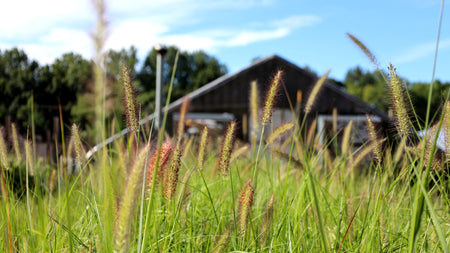
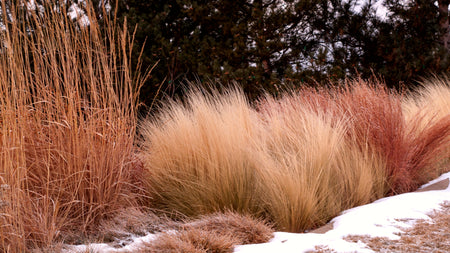
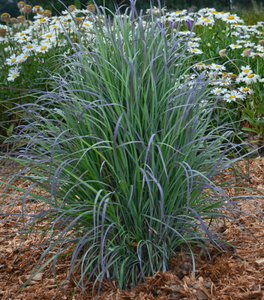
Images Depict Mature Plants
Northwind Switchgrass
Panicum virgatum ‘Northwind’
Northwind Switchgrass is one of the best ornamental grasses for homeowners who want height and structure without the loose, floppy habit some grasses develop. I like how upright it stays because it gives you a strong vertical line in the garden, and the blue-green foliage and late-season plumes make it useful far beyond summer. For gardeners looking for a native ornamental grass for privacy, a strong back-of-border plant, or a low-maintenance vertical accent with real four-season value, this is a really smart choice.

15% OFF SITEWIDE SALE
Use Code 'PRIMETIME15' At Checkout
📦 Free shipping on orders over $99.
Delay shipping by leaving us a message at Checkout.
Share:Recommended Add-Ons



A Strongly Upright Native Switchgrass With Four-Season Texture And Structure
A Tall Upright Ornamental Grass That Holds Its Shape
Northwind Switchgrass is one of the best ornamental grasses for gardeners who want a strong vertical accent without the floppiness that can come with other varieties. Its dense, columnar habit gives it a clean, architectural look that stands tall through the growing season and continues adding structure well into fall and winter. That upright posture is one of the biggest reasons this grass is so widely used in professional landscape design.
The foliage emerges in shades of olive to blue-green and forms a sturdy clump that reads as polished and intentional in the garden. Whether planted in a formal border, a modern foundation bed, or a more natural prairie-style planting, it brings order and height without looking stiff. For homeowners seeking an upright ornamental grass that maintains its shape, Northwind is a standout choice.
Blue-Green Foliage And Airy Late-Season Plumes
Northwind Switchgrass offers more than just great structure. In late summer, airy flower panicles rise above the foliage, creating a soft, cloud-like effect that adds motion and texture to the planting. The flowers begin with green and pinkish tones, then transition into seed heads that extend the display into autumn and beyond.
As the season changes, the foliage turns yellow-beige to golden tones, adding another major layer of interest before winter. Even after the plant goes dormant, the upright stems and persistent seed heads continue to contribute to the landscape. That makes Northwind a true four-season ornamental grass rather than just a summer foliage plant.
A Native Grass That Works For Borders, Screening, And Privacy
Because Northwind Switchgrass is a cultivar of native switchgrass, it fits beautifully into both designed and naturalistic landscapes. It works well as a vertical background in perennial borders, a repeated rhythm plant in larger beds, or a soft screen for patios, property lines, and utility areas. When planted in groups, it creates a strong visual barrier without feeling heavy or closed in.
Its clump-forming habit makes it especially useful for gardeners who want height and privacy without worrying about aggressive spread. It stays where you plant it and gradually enlarges in a controlled way over time. For homeowners wanting a native ornamental grass that offers privacy, texture, and reliable structure, Northwind is one of the most useful options available.
Low Maintenance, Drought Tolerant, And Easy To Grow
Northwind Switchgrass is easy to grow in full sun and adapts to a wide range of soils, including clay, loam, and sand, as well as sites with occasional moisture. Once established, it is drought-tolerant and very low-maintenance, making it a smart choice for busy homeowners and large landscapes alike. It also handles heat and cold very well, which adds to its versatility across many regions.
This plant rewards simple care rather than constant attention. Give it sunlight, enough room to develop, and a yearly cutback in early spring, and it settles into the landscape as a dependable long-term performer. For gardeners looking for a native ornamental grass with strong form, easy care, and year-round appeal, Northwind Switchgrass is an excellent choice.
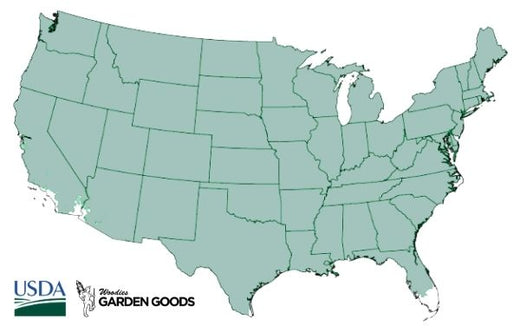
| Hardiness Zone | 3-9 |
|---|---|
| Mature Height: | 4 to 6 Feet |
| Mature Width: | 2 to 3 Feet |
| Sunlight: | Full Sun |
| Water Requirements: | Water regularly during establishment; drought tolerant once mature |
| Soil | Well-drained soil; adaptable to clay, loam, sand, and periodically moist soils |
| Bloom Time / Color | Late summer to fall; airy green to pink-tinted flower panicles maturing tan |
| Wildlife Value | Native grass that offers cover, seed interest, and habitat value |
| Resistance (deer/disease/drought/etc.) | Deer resistant, drought tolerant, heat tolerant, and tolerant of a wide range of soil conditions |
| Landscape Uses | Screening, privacy, specimen clumps, mixed borders, prairie plantings, modern landscapes, erosion control |
How to Care for Northwind Switchgrass
Be sure to read our planting instructions to ensure a healthy and happy Northwind Switchgrass for years to come!

How should I plant Northwind Switchgrass?
Plant Northwind Switchgrass in full sun in a location with well-drained soil and enough room for its upright clump to mature naturally. It adapts to many soil types, including clay and sandy soils, and can also handle sites that stay somewhat moist at times. This makes it an easy option for borders, privacy plantings, and naturalized designs where versatility matters. Dig a hole about twice as wide as the root ball and no deeper than the root ball itself. Set the plant so the crown is level with the surrounding soil, backfill with native soil, and water deeply after planting. Finish with a light mulch layer to help reduce weeds and conserve moisture during establishment, keeping mulch away from the crown.

How often should I water Northwind Switchgrass after planting?
Water Northwind Switchgrass regularly during the first growing season so the root system can establish deeply and evenly. Deep watering once or twice a week is usually enough, depending on rainfall, temperature, and soil type. The goal is to keep the root zone consistently moist during establishment without letting it stay soggy. Once established, Northwind becomes very drought-tolerant and usually needs only occasional supplemental watering during extended dry periods. In most landscapes, less frequent deep watering is far better than shallow daily watering.

When should I fertilize Northwind Switchgrass?
Northwind Switchgrass generally needs very little fertilizer, especially in average garden soil. If desired, a light application of balanced slow-release fertilizer in early spring is enough to support healthy seasonal growth. Avoid heavy feeding because too much fertilizer can lead to overly lush growth that reduces the strong upright habit this variety is known for. In many cases, healthy soil and full sun are more important than fertilizer for long-term performance.

When and how should I prune Northwind Switchgrass?
Cut Northwind Switchgrass back in late winter or early spring before new growth begins. Trim the old foliage to several inches above the ground so fresh new blades can emerge cleanly. This yearly cutback is the main maintenance task the plant needs. Leaving the foliage and seed heads standing through fall and winter is a good idea because they continue to add structure and seasonal interest. Waiting until early spring also helps preserve that winter texture in the landscape for as long as possible.