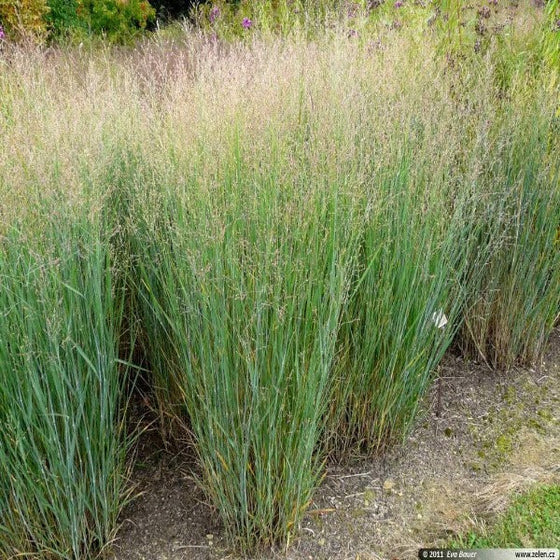


Images Depict Mature Plants
Heavy Metal Switchgrass
Panicum virgatum 'Heavy Metal'
Heavy Metal Switchgrass is one of those grasses I reach for when a planting needs height, discipline, and long-season color without becoming messy. The metallic blue foliage gives it a different look from many other upright grasses, and its vertical habit makes it incredibly useful in borders and screening. For homeowners looking for a native ornamental grass for privacy, a strong back-of-border accent, or a deer-resistant plant with real four-season value, this is a really smart choice.

15% OFF SITEWIDE SALE
Use Code 'PRIMETIME15' At Checkout
📦 Free shipping on orders over $99.
Delay shipping by leaving us a message at Checkout.
Share:Recommended Add-Ons


A Strongly Upright Native Grass With Metallic Blue Foliage And Four-Season Interest
Metallic Blue Foliage That Adds Cool Color To Sunny Landscapes
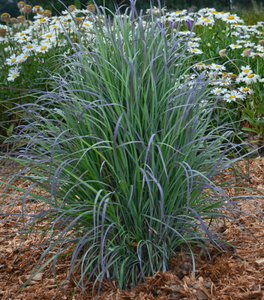
Heavy Metal Switchgrass stands out immediately because of its distinctive metallic blue to blue-green foliage. That cooler leaf color gives it a more refined, modern look than many standard green grasses, making it especially useful in contemporary plantings, gravel gardens, and perennial borders where foliage contrast matters just as much as blooms. The blades form a dense, vertical clump that gives the planting a crisp, architectural feel from early summer forward.
This foliage color is one of the biggest reasons gardeners reach for Heavy Metal again and again. It brings a calm, steely tone to the garden that pairs beautifully with coneflowers, rudbeckias, salvias, and other warm-season bloomers. For homeowners looking for an upright ornamental grass with noticeable color and strong structure, this variety is an easy fit.
A Rigid Upright Habit That Holds Strong Through The Season
One of the best qualities of Heavy Metal Switchgrass is its ability to maintain its shape. The plant is known for a rigid, upright habit that helps it read as clean and vertical in the landscape rather than floppy or loosely arching. That makes it especially valuable in formal borders, modern foundation beds, and privacy-style groupings where strong lines help organize the space.
Because it grows tall without taking up too much width, it works beautifully as a background plant, a vertical accent in mixed borders, or a repeated-rhythm plant in larger sunny beds. It is also useful where homeowners want the look of a screening grass without the bulk of a much wider variety. This is one of those grasses that brings height, order, and movement all at once.
Pink-Tinted Seed Heads And Golden Winter Beauty
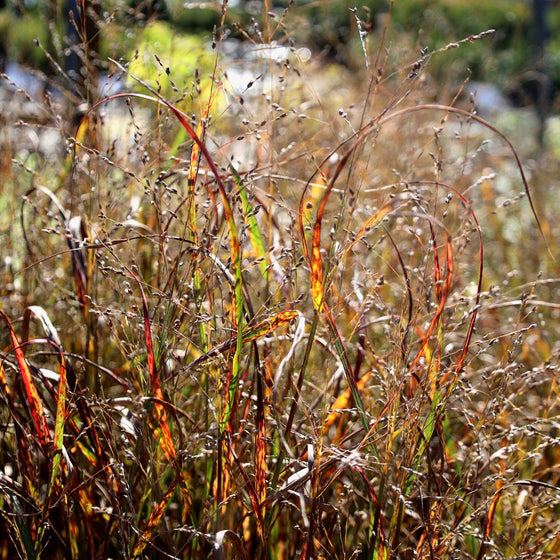
In late summer, airy flower panicles emerge above the foliage, adding a softer, lighter layer to the plant. These seed heads often carry a pinkish-red cast at first, creating a beautiful contrast against the metallic blue foliage below. As the season progresses, the seed heads mature and help carry the display into fall and winter.
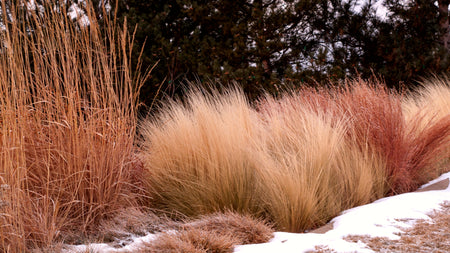
When colder weather arrives, Heavy Metal Switchgrass turns golden-brown and remains standing, continuing to provide texture and structure in the dormant garden. Frost and low winter light only make it more attractive. That gives the plant genuine four-season value and makes it a smart choice for gardeners who want more than just a summer ornamental grass.
A Native Grass That Is Tough, Useful, And Easy To Grow
Heavy Metal Switchgrass is a native cultivar of switchgrass, bringing the resilience and ecological value of a North American native plant into a more polished garden form. It adapts to a range of soil types, including clay and sandy soils, thrives in full sun, and becomes drought tolerant once established. It is also highly deer-resistant and low-maintenance, which adds even more everyday value for homeowners.
This is an especially useful plant for screening, erosion control, prairie-style gardens, and mixed borders that need height and long-season texture without extra fuss. With regular watering during the first growing season and a simple yearly cutback in late winter or early spring, it settles into the landscape as a dependable long-term performer. For homeowners looking for a native ornamental grass that combines beauty, toughness, and year-round presence, Heavy Metal Switchgrass is an excellent choice.
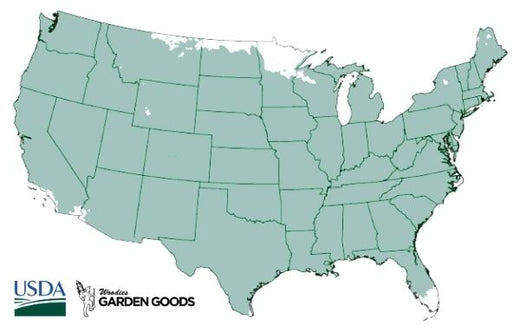
| Hardiness Zone | 4-9 |
|---|---|
| Mature Height: | 3 to 5 Feet |
| Mature Width: | 2 to 3 Feet |
| Sunlight: | Full Sun |
| Water Requirements: | Average during establishment; drought tolerant once mature |
| Soil | Well-drained soil; adaptable to clay and sandy soils |
| Bloom Time / Color | Late summer to fall; airy pinkish-red seed heads maturing tan |
| Wildlife Value | Supports pollinators, birds, and habitat value |
| Resistance (deer/disease/drought/etc.) | Deer resistant, drought tolerant, and adaptable to tough conditions |
| Landscape Uses | Mixed borders, screening, privacy, specimen clumps, prairie plantings, erosion control |
How to Care for Heavy Metal Switchgrass
After purchasing your Heavy Metal Switchgrass, be sure to read our recommended care instructions to ensure this native Grass is happy and healthy for years to come.

How should I plant Heavy Metal Switchgrass?
Plant Heavy Metal Switchgrass in a sunny location with well-drained soil. Dig a hole about twice as wide and as deep as the root ball, set the plant so the top of the root ball sits level with the surrounding soil, then backfill with the original soil and water thoroughly. If planting multiples, spacing them about 2 to 3 feet apart gives them enough room to mature while still creating a full planting effect. A 2- to 3-inch layer of mulch around the base helps retain moisture and suppress weeds during establishment. This grass adapts well to several soil types, which makes it easy to use in borders, naturalized areas, and tougher sunny sites where flexibility matters.

How often should I water Heavy Metal Switchgrass after planting?
During the first growing season, water Heavy Metal Switchgrass deeply about once a week so the roots can establish properly. In very hot or dry conditions, watering may need to be increased to twice a week if the plant begins to show stress. Deep watering is better than light, frequent watering because it encourages the roots to grow downward and makes the plant tougher over time. Once established, Heavy Metal becomes much more drought-tolerant and usually needs supplemental water only during extended dry periods. Avoid overwatering, since the plant prefers well-drained conditions and does not need constant moisture once mature.

When should I fertilize Heavy Metal Switchgrass?
Heavy Metal Switchgrass generally needs only one feeding per year. A balanced slow-release fertilizer applied in early spring as new growth begins is usually enough to support healthy seasonal growth. Compost or well-rotted manure can also be used if you prefer a more organic approach. Be careful not to over-fertilize. Too much nitrogen can cause excessive soft growth and reduce the strong upright form that makes this grass so valuable in the landscape. In many cases, light feeding is all it needs.

When and how should I prune Heavy Metal Switchgrass?
Prune Heavy Metal Switchgrass in late winter or early spring, just before new growth starts. Cut the plant back to about 6 to 12 inches above the ground to remove the old dormant foliage and make room for fresh growth. This is the main yearly maintenance task the plant needs. Leaving the seed heads and upright stems standing through fall and winter is a good idea because they continue to provide structure, texture, and habitat value in the garden. A yearly spring cutback keeps the plant looking clean and vigorous.