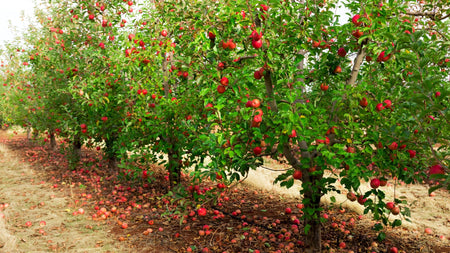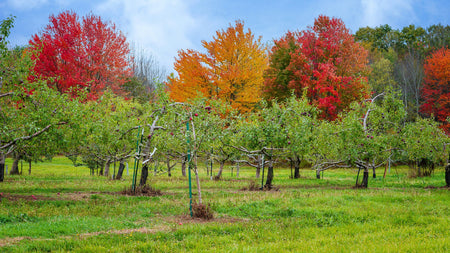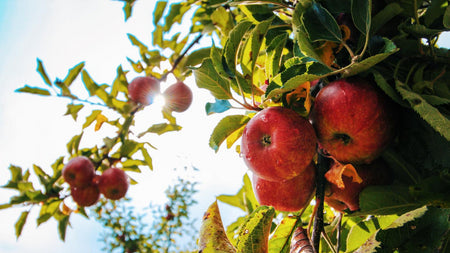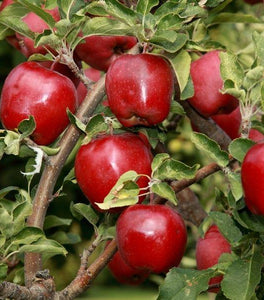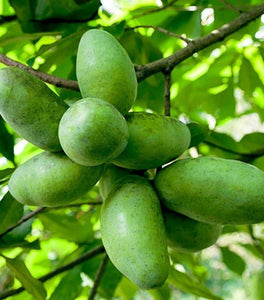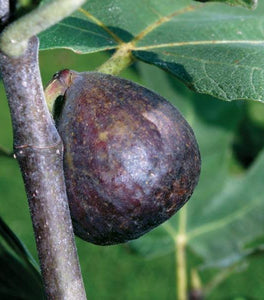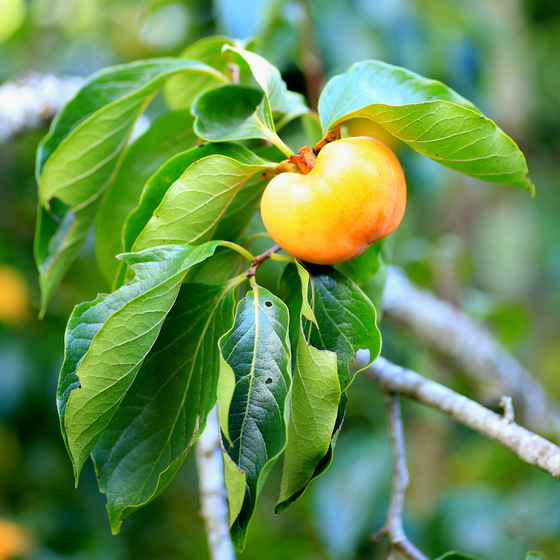


Images Depict Mature Plants
American Persimmon Tree
Diospyros virginiana
The American Persimmon Tree is a great fit when you want one tree to do a lot of jobs well. It gives you native value, wildlife value, fall fruit, and long-term shade-tree presence, and the self-fertile angle makes it even easier for homeowners who want a productive edible tree without needing a second pollinator, however a second tree is suggested for a bountiful harvest.

20% Off Sitewide Sale!
Use Code 'ENDOFSEASON20' At Checkout
📦 Free shipping on orders over $99.
Delay shipping by leaving us a message at Checkout.
Share:


A self-fertile native fruit tree with beauty, habitat value, and sweet fall harvests
A productive native tree with real landscape character.
The American Persimmon Tree is a valuable native fruit tree that adds far more to the landscape than just fruit. It develops into a handsome deciduous tree with an upright to rounded habit, attractive bark, and rich green foliage through the growing season. Over time, it becomes a substantial and useful landscape tree for edible plantings, native gardens, and larger residential properties.
Sweet fall fruit is one of its biggest rewards.
The American Persimmon Tree produces edible fruit that ripens in the fall, turning orange to orange-red as it matures. The fruit becomes soft and very sweet when fully ripe, making it useful for fresh eating, baking, preserves, and wildlife value. Unripe fruit can be very astringent, but once fully mature, it develops the rich, honeyed flavor that makes persimmons so rewarding.
A self-fertile tree makes fruit growing easier.
Because this American Persimmon Tree is self-fertile, homeowners can expect fruit production without pairing it with a separate pollinator tree. Planting more than one tree can still improve overall pollination activity and may help with heavier crops in some settings, but this tree is suitable for homeowners who want a single productive specimen.
A strong wildlife and pollinator tree.
This tree is an excellent choice for gardeners who want to support biodiversity while also growing edible fruit. Its late-spring flowers provide nectar for pollinators, and the mature fruit becomes a valuable food source for birds and mammals later in the season. That combination makes the American Persimmon Tree especially useful in native landscapes, food forests, and wildlife-friendly plantings.
Best for larger landscapes, edible gardens, and native designs.
American Persimmon Tree performs best in full sun and well-drained soil, though it is adaptable to a range of soil types once established. It works especially well in orchards, edible landscapes, native tree plantings, and larger lawn or border settings where it has room to mature. With its long life, useful shade, fall fruit, and native value, it is a tree that pays homeowners back in more than one season.
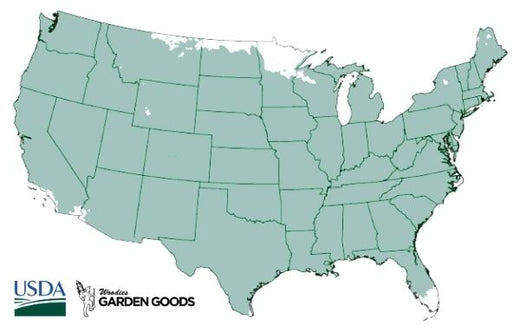
| Hardiness Zone: | 4-9 |
|---|---|
| Mature Height: | 30 to 40 Feet |
| Mature Width: | 20 to 25 Feet |
| Sunlight: | Full Sun to partial shade |
| Soil | Well-drained soil; adaptable to sandy, loamy, and some clay soils |
| Water | Moderate; water regularly during establishment |
| Bloom Time / Color | Late spring to early summer; small creamy to greenish-white flowers |
| Berry / Fruit | Edible orange to orange-red persimmons in fall on female trees when pollinated |
| Foliage | Green foliage with yellow to orange fall color, sometimes deeper red tones |
| Ornamental Features | Edible fruit, attractive bark, fall color, upright to rounded habit |
| Wildlife Value | Supports pollinators; fruit is valuable to birds and mammals |
| Resistance (deer/disease/drought/etc.) | Drought tolerant once established; not considered deer resistant, especially when young |
| Landscape Uses | Edible landscapes, native plantings, orchards, wildlife gardens, shade tree plantings, food forests |
How to Care for American Persimmon Tree
Be sure to read our planting instructions to ensure a healthy and happy American Persimmon Tree for years to come!
-v1744389505642.png?92x91)
How should I plant American Persimmon Tree?
Plant American Persimmon Tree in a location with full sun and well-drained soil. Dig a hole about twice as wide as the root ball and no deeper than the root ball itself, then set the tree so the top of the root ball is level with the surrounding soil and backfill carefully. Water deeply after planting and add mulch around the root zone to help conserve moisture and suppress weeds, but keep mulch a few inches away from the trunk. If you are planting more than one tree for pollination and fruit production, allow enough spacing for mature size and airflow.
-v1744389525331.png?89x84)
How often should I water American Persimmon Tree after planting?
Water American Persimmon Tree deeply right after planting, then continue watering regularly through the first growing season while the root system establishes. In warm or dry weather, deep watering once or twice a week is often better than frequent shallow watering. Once established, American Persimmon Tree becomes much more drought tolerant and generally needs less supplemental water than many fruit trees. During extended dry periods or while fruit is developing, occasional deep watering can still help support tree health and fruit quality.
-v1744389533601.png?90x89)
When should I fertilize American Persimmon Tree?
It is usually best not to fertilize American Persimmon Tree heavily right after planting. Let the tree focus first on root establishment, then begin light annual feeding in later seasons if needed. A balanced slow-release fertilizer or fruit-tree fertilizer can be applied in early spring before new growth begins. Avoid over-fertilizing, especially with high-nitrogen products, since too much lush growth can come at the expense of fruiting and long-term structure.

When and how should I prune American Persimmon Tree?
Prune the American Persimmon Tree in late winter or early spring while the tree is still dormant. Start by removing dead, damaged, or crossing branches, then shape young trees to develop a strong central leader and evenly spaced scaffold branches. As the tree matures, pruning should remain fairly light, focusing on structure, airflow, and removing suckers or poorly placed growth. Heavy pruning is usually not helpful and can reduce fruiting potential or create an unbalanced canopy.