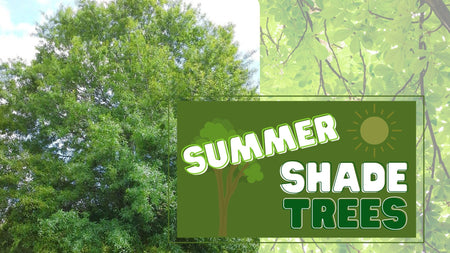
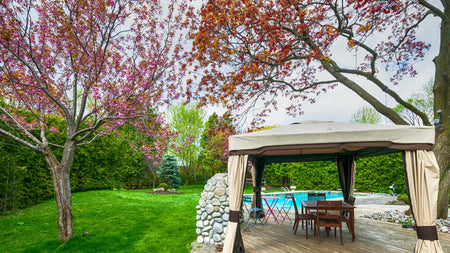
Images Depict Mature Plants
Tulip Poplar Tree
Liriodendron tulipifera
The Tulip Poplar Tree is a great choice when you want a tree that does more than just grow fast. It offers real height, strong shade, and flowers that most people do not expect from a large native canopy tree. For larger properties where you want a planting that feels impressive and lasting, this is a really smart one to put in the ground.

15% OFF SITEWIDE SALE
Use Code 'PRIMETIME15' At Checkout
📦 Free shipping on orders over $99.
Delay shipping by leaving us a message at Checkout.
Share:


A Fast-Growing Native Shade Tree with Unique Spring Flowers
A Towering Native Tree with Classic American Presence
The Tulip Poplar Tree is one of the great native shade trees of the eastern United States. Its tall, straight trunk, strong central leader, and stately canopy give it a commanding presence in the landscape, making it an excellent choice for homeowners who want a tree that feels substantial, elegant, and long-lived.
This is not a small ornamental tree or a filler planting. Tulip Poplar is a true canopy tree, the kind of planting that can define a property and bring a strong sense of maturity and scale to a landscape over time.
Fast Growth for Meaningful Shade
One of the biggest reasons homeowners choose Tulip Poplar is its speed. It is widely valued as a fast-growing shade tree, which makes it especially attractive for properties where a new planting needs to begin making a visible difference sooner rather than later.
As it matures, it develops into a broad shade tree capable of cooling lawns, open seating areas, and larger planting spaces. That combination of fast establishment and long-term canopy value is a major part of its appeal.
Tulip-Shaped Flowers That Make It Stand Out
Tulip Poplar Tree is not just about size. In spring, it produces unusual tulip-shaped flowers in greenish-yellow shades with orange markings, giving the tree an ornamental character that many large shade trees lack.
Those flowers are one of the tree’s most distinctive features and help explain why it remains such a favorite in the landscape. They add a memorable seasonal moment to a tree that is already highly valued for shade and structure.
Distinctive Leaves and Bright Yellow Fall Color
The foliage of Tulip Poplar is also highly recognizable. The leaves have a distinctive outline that makes the tree easy to identify and adds a refined texture to the canopy throughout the growing season.
In fall, the leaves turn a brilliant lemon-yellow to golden yellow, creating a bright seasonal display before leaf drop. That autumn color adds another strong ornamental moment and helps the tree offer more than just summer shade.
Best for Large Landscapes with Room to Grow
The Tulip Poplar Tree is best used where it has room to reach its full potential. It works beautifully as a lawn specimen, in parks, on larger residential properties, and in naturalized settings where its mature height and broad canopy can be appreciated rather than constrained.
For homeowners who want a fast-growing native shade tree with exceptional spring flowers, handsome form, and bright fall color, the Tulip Poplar Tree is an excellent choice. It offers speed, beauty, and long-term landscape value in one of America’s most recognizable canopy trees.


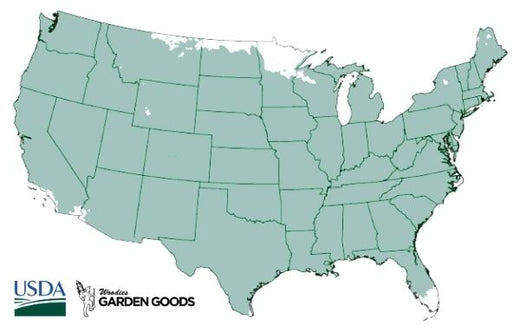
| Hardiness Zone: | 4-9 |
|---|---|
| Mature Height: | 60 to 90 Feet |
| Mature width: | 30 to 50 Feet |
| Sunlight: | Full sun |
| Water | Moderate; water regularly during establishment |
| Bloom Time / Color | Spring; greenish-yellow flowers with orange markings |
| Ornamental Features | Tulip-shaped blooms, uniquely shaped green leaves, tall straight trunk, bright yellow fall color |
| Wildlife Value | Supports pollinators and provides habitat value |
| Resistance (deer/disease/drought/etc.) | Fast growing; best with consistent moisture while establishing |
| Landscape Uses | Shade tree, lawn specimen, native canopy tree, park tree, large residential landscape |
How to Care for Tulip Poplar Tree
Before you buy a Tulip Poplar Tree, make sure to read about the recommended care instructions to keep this plant healthy and thriving.
-v1775836688473.png?92x91)
How should I plant Tulip Poplar Tree?
Plant Tulip Poplar Tree in a full sun location with rich, moist, well-drained soil and enough room for its mature size to develop. Dig a hole about twice as wide as the root ball and no deeper than the root ball itself, then place the tree so the root flare sits at or slightly above the surrounding soil level. This helps the tree establish correctly and reduces the chance of planting too deeply. Backfill with native soil, water thoroughly, and mulch around the root zone to help conserve moisture and reduce weed competition. Keep mulch a few inches away from the trunk. Because Tulip Poplar becomes a very large tree, it should be planted well away from structures and in a space where the canopy can mature naturally.
-v1775836709356.png?89x84)
How often should I water Tulip Poplar Tree after planting?
Water the Tulip Poplar Tree deeply right after planting, then continue watering regularly during the establishment period. In most landscapes, that means a deep soaking once or twice per week, depending on rainfall, heat, and soil conditions. The goal is evenly moist soil while the tree builds a strong root system. Once established, Tulip Poplar is easier to manage, but it still performs best when not subjected to prolonged drought, especially while young. Deep watering is much better than frequent shallow watering because it encourages stronger roots and better long-term performance.
-v1775836730615.png?90x89)
When should I fertilize Tulip Poplar Tree?
Fertilize Tulip Poplar Tree only if needed, especially if growth appears weak or a soil test points to a nutrient deficiency. If feeding is necessary, early spring is usually the best time to apply compost or a balanced fertilizer that supports steady growth without forcing overly soft new foliage. Avoid unnecessary fertilization on healthy trees. In many landscapes, proper soil, full sun, and regular watering during establishment matter more than aggressive feeding. The goal is strong, balanced growth and healthy canopy development.

When and how should I prune Tulip Poplar Tree?
Tulip Poplar Tree usually needs only structural pruning when young and occasional removal of dead, damaged, or awkwardly placed branches as it matures. Late winter is generally the best time to prune, before spring growth begins and while the branch structure is easier to evaluate. Pruning should focus on maintaining a strong central leader, good branch spacing, and long-term canopy strength. Because the tree naturally develops a handsome upright form, light, thoughtful pruning is usually all that is needed to keep it strong and well-shaped over time.