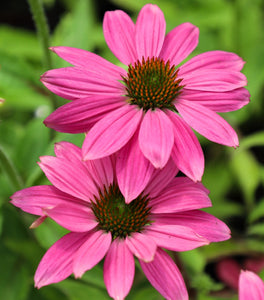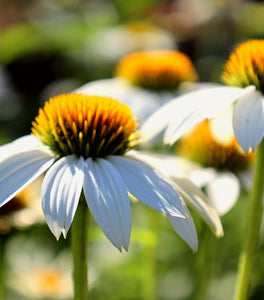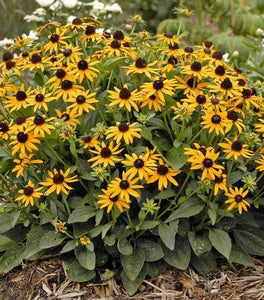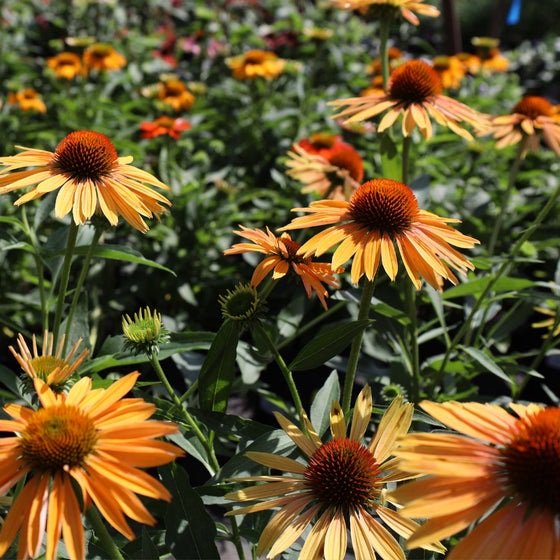
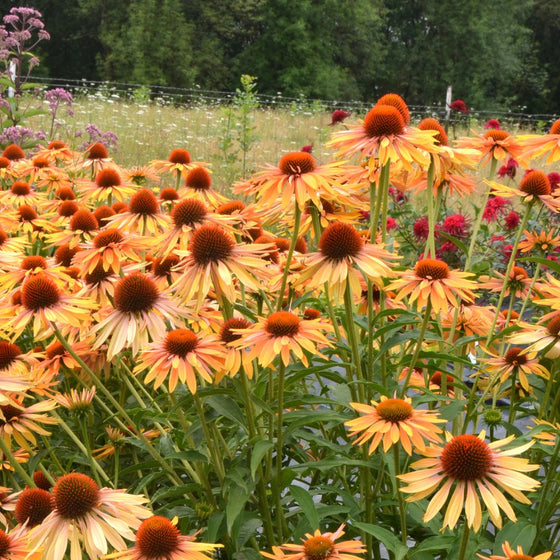
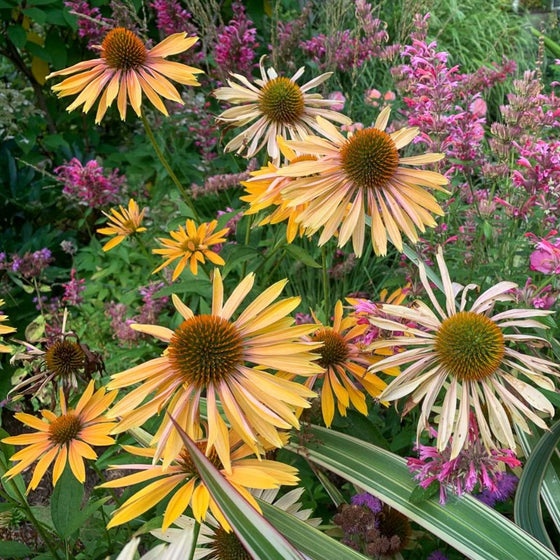


Images Depict Mature Plants
Big Kahuna Coneflower
Echinacea purpurea 'Big Kahuna'
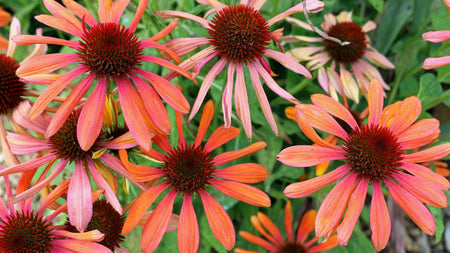
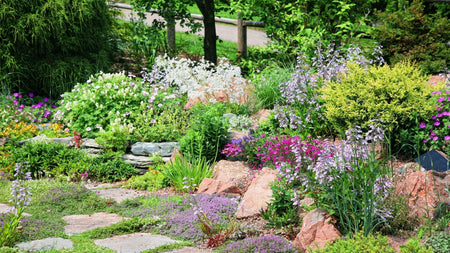
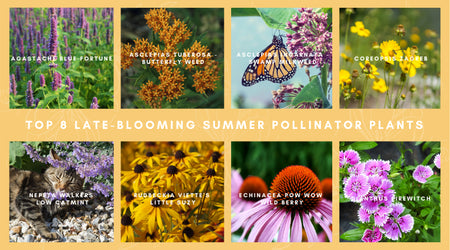
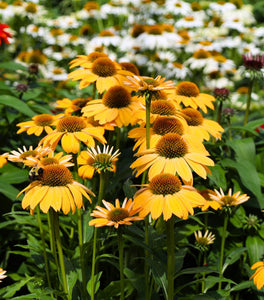
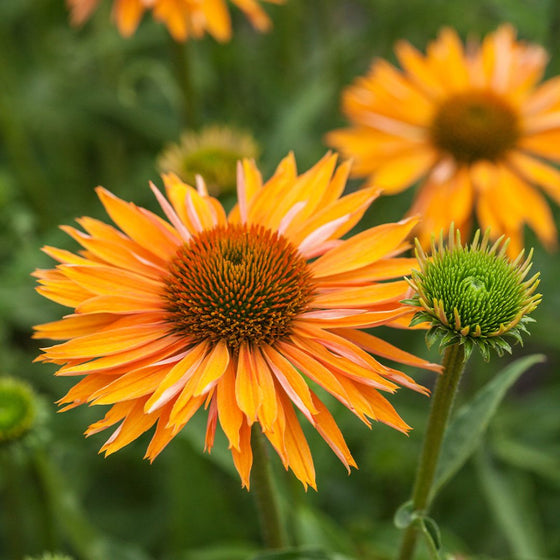
Big Kahuna Coneflower is a great choice when you want Echinacea toughness with a much warmer, bolder flower color. The honey-mango blooms feel almost tropical, but the plant still fits beautifully into sunny perennial borders, pollinator gardens, and cottage-style plantings. I especially like it with purple salvia, blue catmint, ornamental grasses, and yellow coreopsis, where the orange tones can really pop and the pollinators will keep the bed active all summer.

20% OFF SITEWIDE SALE
Use Code 'OCTOBER20' At Checkout
📦 Free shipping on orders over $99.
Delay shipping by leaving us a message at Checkout.
Share:

Honey-Mango Blooms for Sunny Pollinator Gardens
Large honey-mango flowers with tropical color.
Big Kahuna Coneflower produces oversized, sweetly scented flowers in warm honey-mango, golden-orange, and mango-yellow tones that bring a tropical glow to sunny gardens. The blooms can reach impressive size for a coneflower, creating a bold display above sturdy upright stems and clean green foliage. This is a standout choice for homeowners who want something more colorful than classic purple coneflowers while still keeping the tough, easy-care personality that makes Echinacea so popular.
A strong, upright perennial for full sun.
Echinacea Big Kahuna has a sturdy, upright habit, helping the flowers stand tall in borders, mass plantings, and mixed perennial beds. Its strong stems make it useful as a mid-border focal point, especially when planted with ornamental grasses, salvia, catmint, yarrow, coreopsis, black-eyed Susans, bee balm, and Russian sage. The warm flower color works beautifully with blues, purples, reds, yellows, whites, and grass textures, giving garden designers plenty of flexibility in full-sun plantings.
Pollinator-friendly flowers from summer into fall.
Big Kahuna Coneflower attracts butterflies, bees, hummingbirds, and other pollinators during the summer bloom season. Its open cone-shaped flowers provide easy access for pollinators, while the large flower heads add strong visual impact for homeowners. After bloom, seed heads can be left standing to add winter texture and provide food for birds, especially finches, making this plant valuable beyond its main flowering window.
Tough, drought-tolerant, and deer-resistant.
Once established, Big Kahuna Echinacea is a low-maintenance perennial that handles heat, sun, and dry spells well. It performs best in full sun and well-drained soil, and it is considered drought-tolerant once its roots are established. It is also commonly listed as deer resistant, making it a practical option for sunny landscapes where homeowners want bright color without choosing plants that deer typically prefer.
Excellent for borders, containers, and cut flowers.
Use Big Kahuna Coneflower in sunny borders, pollinator gardens, cottage gardens, prairie-style plantings, and large patio containers where its warm color and sturdy stems can stand out. The flowers are excellent for cutting, and the plant is showy enough to work in groups or as a repeated accent through a planting. Deadheading can encourage a cleaner look and additional bloom, while leaving some spent cones later in the season supports birds and adds natural winter interest.
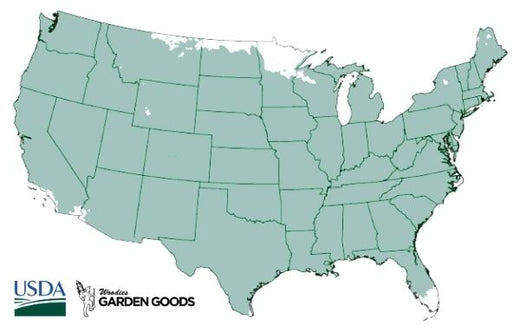
| Hardiness Zone: | 4-9 |
|---|---|
| Mature Height: | 20 to 30 Inches |
| Mature Width: | 18 to 24 Inches |
| Sunlight: | Full sun |
| Soil | Average, well-drained soil; adapts to lean, sandy, or dry soils once established |
| Water Requirements: | Water regularly after planting; drought tolerant once established |
| Bloom Time / Color | Midsummer into fall; honey-mango, mango-orange, golden-orange, or yellow-orange flowers with prominent cones |
| Ornamental Features | Large fragrant flowers, warm mango-orange color, sturdy stems, upright habit, cut flower value, seedhead interest |
| Wildlife Value | Attracts butterflies, bees, hummingbirds, and other pollinators; seed heads can feed birds |
| Resistance | Deer resistant in many settings, drought tolerant once established, heat tolerant, and generally low maintenance |
| Landscape Uses | Sunny borders, pollinator gardens, butterfly gardens, hummingbird gardens, cottage gardens, prairie-style plantings, mass plantings, containers, cut flower gardens, and low-maintenance landscapes |
How to Care for Big Kahuna Coneflower
After purchasing your Big Kahuna Coneflower, read these planting instructions to ensure your plant is happy and healthy.
-v1777577085642.png?92x91)
How should I plant Big Kahuna Coneflower?
Plant Big Kahuna Coneflower in full sun with well-drained soil. Choose a site that receives at least 6 hours of direct sunlight per day, because strong light helps support the best flowering, sturdier stems, and a fuller plant habit. Dig a hole about twice as wide as the root ball and set the crown level with the surrounding soil. Backfill, water deeply, and space plants about 18 to 24 inches apart so each clump has room to mature and maintain good airflow.
-v1777577129438.png?89x84)
How often should I water Big Kahuna Coneflower after planting?
Water Big Kahuna Coneflower regularly during the first growing season while the roots establish. Keep the soil evenly moist after planting, but avoid soggy conditions because Echinacea performs best in well-drained soil. Once established, Big Kahuna Coneflower becomes drought tolerant and usually needs less supplemental water than many flowering perennials. During extended heat or drought, water deeply as needed, then allow the soil to dry slightly between waterings.
-v1777577144594.png?90x89)
When should I fertilize Big Kahuna Coneflower?
Fertilize Big Kahuna Coneflower lightly in spring with compost or a balanced, slow-release fertilizer if your soil is poor. In most garden beds, Echinacea performs well without heavy feeding. Avoid excessive fertilizer, especially high-nitrogen fertilizer, which can encourage leafy growth at the expense of flowers or make stems less sturdy. Full sun, good drainage, and moderate fertility are usually the best combination for strong performance.

When and how should I prune Big Kahuna Coneflower?
Prune Big Kahuna Coneflower by deadheading spent blooms during the growing season if you want a tidier look or want to encourage more flowers. Cut spent flower stems back to a lower leaf or side shoot. Later in the season, leave some seed heads standing if you want winter interest and bird value. Cut the plant back in late fall after frost or in early spring before new growth begins.