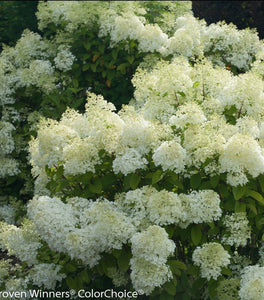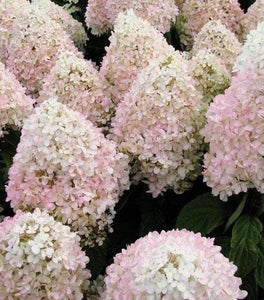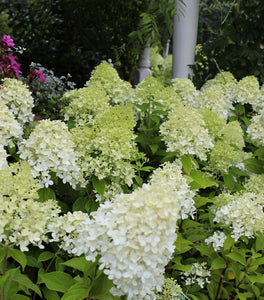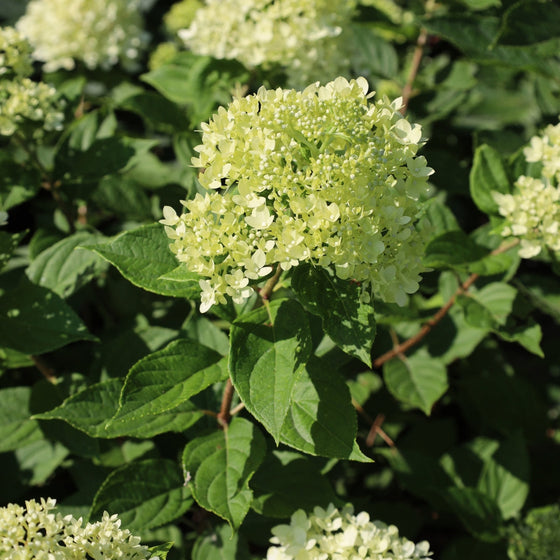


Images Depict Mature Plants
Little Lime® Hydrangea
Hydrangea paniculata 'Jane' PP22330
Little Lime® is the hydrangea I recommend when someone wants the Limelight-style show but needs a plant that fits real-life foundation beds and smaller gardens—big lime-green cones, a long season of color change, and an easy pruning routine because it blooms on new wood. Give it sun (with a little afternoon shade in hotter spots), keep the moisture steady, and it’ll deliver that lush, “always in bloom” look from summer into fall without taking over the yard.

15% OFF SITEWIDE SALE
Use Code 'PRIMETIME15' At Checkout
📦 Free shipping on orders over $99.
Delay shipping by leaving us a message at Checkout.
Share:


Little Lime® Hydrangea With Dwarf Limelight Blooms And Big Seasonal Color
Big Lime-To-Pink Panicle Blooms In A Compact Shrub
Little Lime® gives you the iconic Limelight look in a smaller, easier-to-place shrub—big panicle blooms without the big footprint. From mid-summer into fall, the cone-shaped flower clusters open a bright lime green, soften to creamy white, then pick up rosy blush tones that can deepen toward pink-burgundy as nights cool. That color progression is the magic: your bed looks like it’s changing with the season, and the plant stays in show long after many summer perennials have faded. Even a single shrub reads as a focal point, but the effect is especially striking against dark evergreens, deep mulch, stone, or brick.
The blooms are also made for real-life enjoyment. Cut them fresh for arrangements, let them dry for long-lasting stems, or leave them on the plant for late-season texture and winter interest. Because the flowers sit on strong, upright stems, the display reads clean and intentional in the landscape—especially when you mass several plants together for a ribbon of lime-to-pink color. Little Lime® also pairs beautifully with ornamental grasses, coneflowers, salvias, and black-leaved or purple-leaved plants that make the green blooms glow. If you love hydrangeas for their abundance but want a tidy, space-smart plant that still delivers a full-sized show, Little Lime® hits that perfect balance of drama and control.
Compact Size That Fits Foundation Beds And Smaller Gardens
Little Lime® is a true dwarf panicle hydrangea, typically maturing around 3–5 feet tall and 3–5 feet wide. That size makes it easy to use in foundation beds, front borders, and smaller landscapes where standard Limelight can feel oversized. It forms a dense, rounded mound, so it looks full from the ground up and doesn’t need constant shaping to stay attractive. The upright panicles sit nicely above the foliage, giving you a layered look that reads “designed” even in simple plantings. If you want hydrangea impact without blocking windows or swallowing neighboring shrubs, this is the go-to choice.
Because it stays compact, you can design with repetition—one of the fastest ways to make a landscape feel polished. Plant it in a drift along a walkway, tuck it into a mixed shrub border as the mid-layer, or use it as a low flowering hedge to define space. It also shines near patios and decks, where the blooms sit at a comfortable viewing height, and the plant’s clean habit keeps the area feeling uncluttered. Want a more formal look? Use consistent spacing and a straight planting line; for a softer look, use a curved line. Stagger plants in a gentle curve. Give it enough room to reach its mature width and you’ll get better airflow, easier maintenance, and a naturally symmetrical shape.
Hardy, Sun-Tough Performance With Simple Care
Little Lime® is hardy, adaptable, and refreshingly forgiving, which is why it’s a favorite for both new and experienced gardeners. As a panicle hydrangea, it handles more sun than many hydrangeas and performs well in full sun to part shade. In cooler climates, more sun usually means more blooms and stronger stems; in hotter climates, morning sun with a bit of afternoon shade helps keep foliage looking crisp. It’s also reliably cold-hardy, so you can count on flowering even after tough winters because blooms form on the season’s new growth.
Start with well-drained soil that holds consistent moisture, then make life easier with a 2–3-inch mulch ring to stabilize temperatures and reduce evaporation. Water deeply during dry spells, especially during the first season and during peak summer heat, when the plant is forming buds and blooms. Once established, Little Lime® becomes more resilient, but the best flower size and color come from steady moisture rather than drought stress. Good airflow and watering at the base (instead of overhead) also help foliage stay cleaner and reduce common leaf issues. If you’re planting a row, consistent watering across the line helps every shrub grow evenly, so the hedge looks uniform and intentional.
Easy Pruning Because It Blooms On New Wood
Little Lime® blooms on new wood, which makes pruning simple and low-risk. Plan to prune in late winter to early spring before new growth starts, then let the plant push fresh stems that will flower the same season. Start by removing any dead, damaged, or crossing branches, then shape the shrub to maintain a rounded form and open the center slightly for airflow. This annual routine keeps the plant vigorous, helps prevent flopping, and encourages a fuller canopy of blooms with cleaner stem structure. Skip late-season pruning, which can stimulate tender growth at the wrong time and reduce the plant’s winter resilience.
For stronger stems and larger flower panicles, you can reduce last year’s growth by about one-third, focusing on clean cuts above healthy buds. If you prefer more blooms that are slightly smaller, prune more lightly and keep more stems—either way, you will still flower because blooms form on new wood. Many gardeners leave the dried panicles standing through winter for texture and then remove them during spring pruning, which also protects stems in harsh weather. Because the plant stays compact, it’s easy to keep tidy as a low hedge—maintain an even top line and let the sides keep their natural curve. With the right timing and steady moisture, you’ll get a neat, repeatable performance year after year, even if you’re not a perfect pruner.
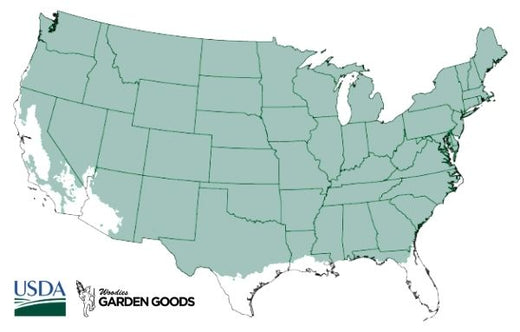
| Hardiness Zone: | 3-8 |
|---|---|
| Mature Height: | 3 to 5 Feet |
| Mature Width: | 3 to 5 Feet |
| Sunlight: | Full sun to part shade |
| Bloom Time / Color: | Mid-summer through fall; lime green → creamy white → pink to pink-burgundy |
| Pruning Season: | Early spring, promotes increased branching and more flowers, flowers on new wood |
| Soil Condition: | Moist, well-drained; organic-rich preferred |
| Water Requirements: | Medium; consistent moisture for best blooms |
| Wildlife Value: | Seasonal habitat and garden interest; best paired with pollinator plants nearby |
| Resistance (deer/disease/drought/etc.): | Not deer resistant; more resilient once established with mulch and deep watering |
| Landscape Uses: | Foundation beds, borders, low hedges, mass plantings, patio containers, cut and dried flowers |
How to Care for Little Lime® Hydrangea
Be sure to read our planting instructions to ensure a healthy and happy Little Lime Hydrangea plant for years to come!

How should I plant Little Lime® Hydrangea?
Plant Little Lime® Hydrangea in full sun to part shade in well-drained soil that stays evenly moist. Dig a hole about twice as wide as the root ball and just as deep. Set the shrub so the top of the root ball is level with the surrounding soil, then backfill and water deeply to settle roots. If your soil is sandy, blend in compost to improve moisture-holding; if it’s heavy clay, loosen the area and add organic matter to support drainage and rooting. Finish with a 2–3 inch mulch ring to keep roots cool and reduce moisture swings, keeping mulch a few inches away from the stems. If you’re planting multiple shrubs, lay them out first so spacing looks intentional, and each plant has room to mature without crowding.

How often should I water Little Lime® Hydrangea after planting?
For the first 2–3 weeks, water every 2–3 days so the root zone stays evenly moist (not soggy), especially during warm or windy weather. After that, transition to deep watering about once per week, increasing to once or twice weekly during heat or drought. A slow soak at the base is best because it encourages deeper roots and sturdier growth. Once established, Little Lime® still looks best with consistent moisture during summer when it is building stems and flower panicles. If you notice drooping in hot afternoons, check soil moisture and give a deep soak rather than frequent light watering—steady moisture supports bigger blooms and stronger stems.

When should I fertilize Little Lime® Hydrangea?
Fertilize in early spring as new growth begins using a balanced, slow-release fertilizer. This supports vigorous growth and strong flowering without pushing overly soft stems. If you prefer a simpler approach, top-dress with compost and refresh mulch each spring—healthy soil and steady moisture often matter more than heavy feeding. Avoid heavy fertilizing late in summer, which can encourage tender growth at the wrong time. If your soil is already fertile, keep feeding modest; too much nitrogen can produce lush foliage at the expense of sturdier branching and bloom performance.

When and how should I prune Little Lime® Hydrangea?
Prune Little Lime® Hydrangea in late winter to early spring, before new growth begins. Because it blooms on new wood, this timing encourages fresh stems that flower the same season. Start by removing dead, damaged, or crossing branches, then shape the plant and reduce overall height by up to one-third if you want a tighter form and stronger branching. For larger flower panicles and sturdier stems, prune a bit more firmly to encourage fewer, stronger shoots. For more blooms that are slightly smaller, prune lighter so the shrub keeps more stems. Either approach works—the key is pruning before spring growth takes off, not after the plant has started pushing new shoots.