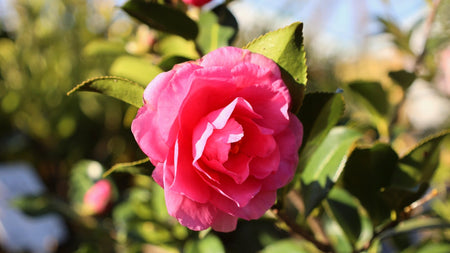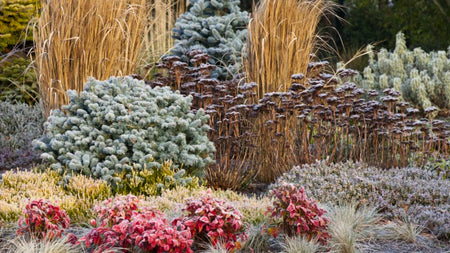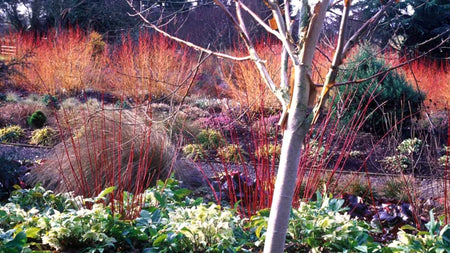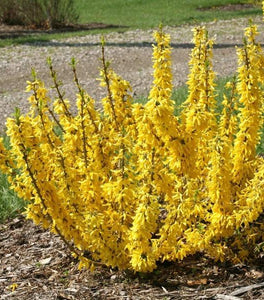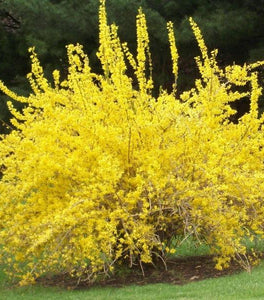
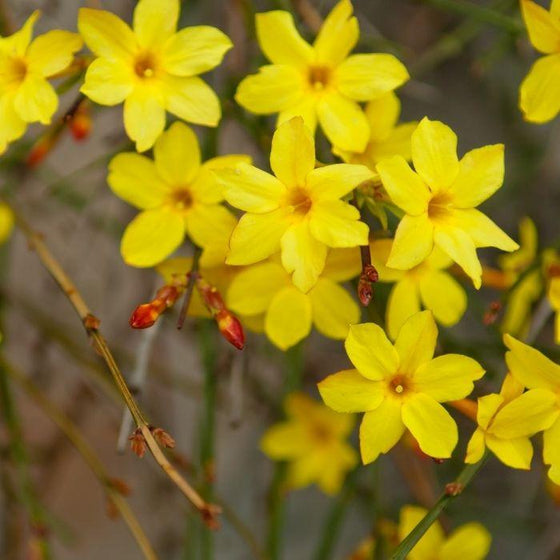
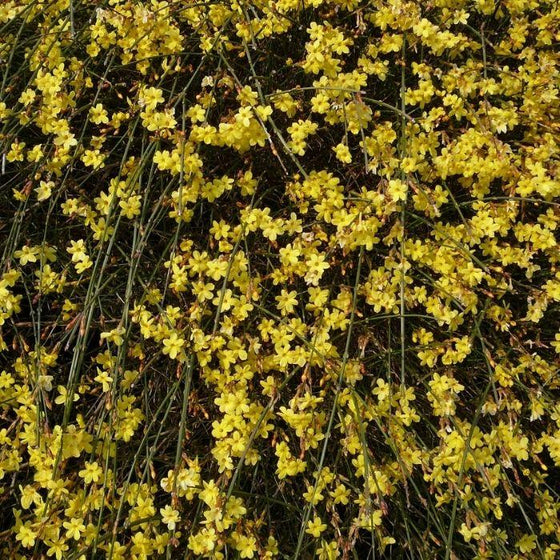


Images Depict Mature Plants
Winter Jasmine
Jasminum nudiflorum
Winter Jasmine is a really useful plant when the landscape needs a sign of life before spring truly gets going. The flowers are simple, but they show up at exactly the right time, and the arching habit makes the plant easy to use in places where you want something softer than a typical rigid shrub.

15% OFF SITEWIDE SALE
Use Code 'PRIMETIME15' At Checkout
📦 Free shipping on orders over $99.
Delay shipping by leaving us a message at Checkout.
Share:


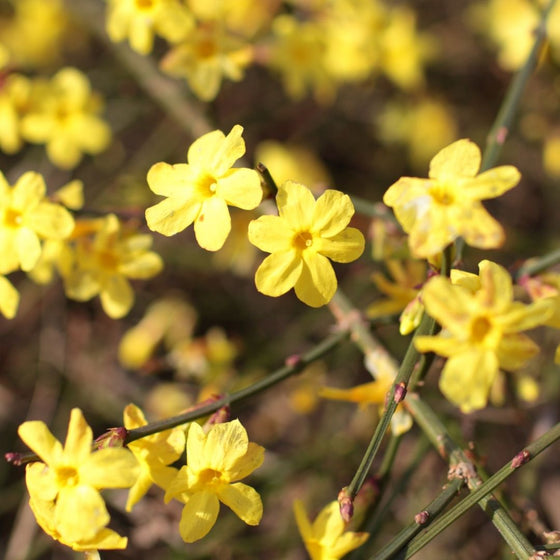
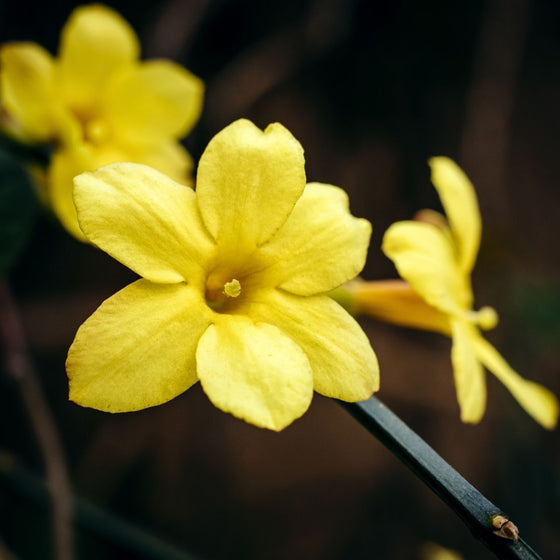
Bright yellow late-winter flowers on arching green stems
A cheerful shrub for the quietest part of the year.
Winter Jasmine is grown for its simple yet highly effective way of bringing color to the landscape when almost everything else is still dormant. In late winter and very early spring, bright yellow flowers open along its green stems, creating a warm, uplifting display that feels especially welcome after a long, cold season.
Its arching habit gives it a softer, more natural look.
Unlike a rigid upright shrub, Winter Jasmine grows with long, fountain-like stems that arch outward and spill gracefully over walls, slopes, and bed edges. That habit makes it feel relaxed and easy in the landscape, and it gives the plant movement even when it is not in bloom.
A flexible plant that can drape, spread, or be lightly trained.
Winter Jasmine is especially useful because it can be planted where it can cascade naturally, or tied and trained to a support for a looser climbing effect. It is not a true twining vine like star jasmine, but it is extremely effective for softening hardscape, covering banks, or flowing over retaining walls.
A strong fit for slopes, walls, borders, and informal plantings.
This plant works beautifully on sunny slopes, at the top of retaining walls, along pathways, in mixed shrub borders, and in naturalized plantings where its early flowers can be appreciated. It is especially strong where homeowners want winter color without depending only on evergreens.
Easy care and cold-season bloom make it highly practical.
Winter Jasmine performs best in full sun to part shade and in well-drained soil. It is durable, adaptable, and generally easy to grow once established. Because it blooms on old wood, pruning is best done right after flowering so the plant has time to set buds for the next winter display.
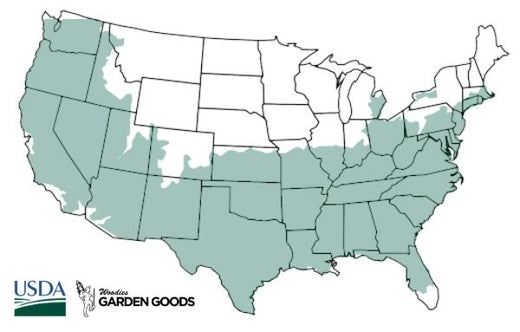
| Hardiness Zone: | 6-9 |
|---|---|
| Mature Height: | 3 to 4 feet |
| Mature Width: | 4 to 7 Feet |
| Sunlight: | Full sun to part shade |
| Soil: | Average, well-drained soil |
| Water: | Moderate during establishment; adaptable once established |
| Bloom Time / Color: | Late winter to early spring; bright yellow flowers |
| Foliage: | Small green leaves; green stems provide winter interest |
| Ornamental Features: | Bright winter flowers, arching stems, cascading habit |
| Wildlife Value: | Early nectar source for some pollinators |
| Resistance (deer/disease/drought/etc.): | Durable and adaptable once established |
| Landscape Uses: | Slopes, retaining walls, borders, cascading plantings, informal hedges, early-season color beds |
How to Care for Winter Jasmine
Be sure to read our planting instructions to ensure a healthy and happy Winter Jasmine plant for years to come!
-v1777297867260.png?92x91)
How should I plant Winter Jasmine?
Plant Winter Jasmine in full sun to part shade in well-drained soil. Dig a hole about twice as wide as the root ball and no deeper than the root ball itself, then set the shrub level with the surrounding soil and backfill carefully. Water deeply after planting and add mulch around the root zone to help conserve moisture and reduce weed competition, but keep mulch a few inches away from the stems. If planting near a wall or slope, give the plant room to arch and spread naturally.
-v1777297888131.png?89x84)
How often should I water Winter Jasmine after planting?
Water Winter Jasmine deeply right after planting, then keep the soil evenly moist during the first growing season while it establishes. During dry weather, deep watering is better than frequent shallow watering and helps build a stronger root system. Once established, Winter Jasmine becomes easier to manage and can handle ordinary garden conditions well. During extended drought, occasional deep watering helps keep the plant fuller and healthier.
-v1777297903265.png?90x89)
When should I fertilize Winter Jasmine?
Fertilize Winter Jasmine lightly in early spring after flowering if needed. A balanced all-purpose shrub fertilizer or a layer of compost is usually enough to support healthy growth. Avoid overfeeding late in the season. In most home landscapes, Winter Jasmine performs well with moderate fertility and does not need heavy feeding to bloom reliably.

When and how should I prune Winter Jasmine?
Prune Winter Jasmine immediately after flowering. Because it blooms on old wood, pruning too late in the season can remove the stems that would carry the next round of winter flowers. Start by removing any dead or awkward stems, then shorten or thin the plant as needed to maintain shape. If the plant is being used on a wall or slope, pruning after bloom also helps keep it tidy and full without sacrificing next season’s flowers.