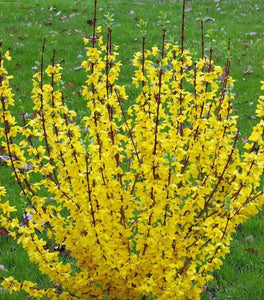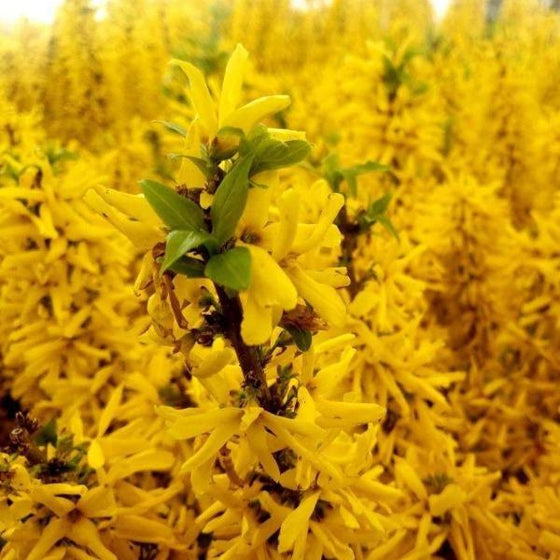
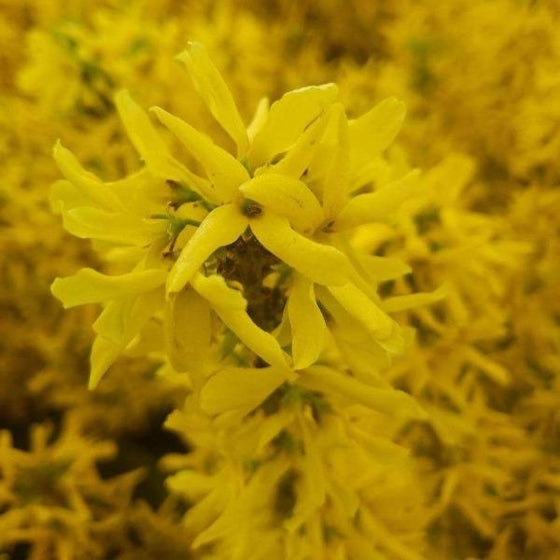
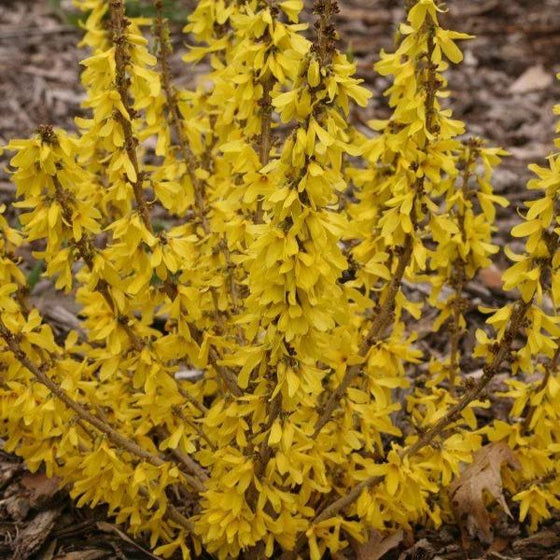


Images Depict Mature Plants
Show Off® Sugar Baby® Forsythia
Forsythia 'NIMBUS' PP23838
Sugar Baby® is my kind of spring shrub—compact, deer-resistant, and absolutely loaded with bright yellow flowers right when the garden needs a mood lift. Plant it where you’ll see it every day in early spring, give it sun and steady moisture the first season, and then just remember the golden rule: prune right after bloom so you don’t cut off next year’s show.

15% OFF SITEWIDE, USE CODE 'FALLPLANT15'
📦 Free shipping on orders over $99.
Delay shipping by leaving us a message at Checkout.
Share:


Show Off® Sugar Baby® Forsythia With Dwarf Size And Brilliant Yellow Spring Flowers
Bright Yellow Spring Flowers In A True Small-Space Forsythia
Show Off® Sugar Baby® Forsythia delivers the classic “forsythia sunshine” moment—those vivid yellow flowers that arrive early and announce spring—without the big, sprawling size of older varieties. In early spring, branches light up with bloom clusters that make the whole plant glow, filling that late-winter color gap when gardens are still mostly sleeping. It’s the kind of shrub that makes a front bed feel instantly cheerful and intentional, even before perennials wake up.
Because it stays compact, Sugar Baby® is perfect for places where you actually see it: near the entry, along a walkway, at the front of a border, or tucked into a foundation bed where a full-size forsythia would be way too much. It also pairs beautifully with spring bulbs—daffodils and tulips at its feet look even brighter against that yellow bloom cloud. If you want early-season curb appeal that doesn’t require a lot of space, this forsythia fits the plan.
Compact, Dense Habit That Stays Neat Without Constant Shaping
Sugar Baby® is a dwarf forsythia that typically matures around 2–3 feet tall and about 2–3 feet wide, forming a dense, upright-to-mounded shrub with good branching. That naturally full habit is the real win: it looks tidy without needing the aggressive shearing that can ruin bloom. In a small garden, it reads as a clean, intentional “spring highlight,” then settles into a manageable green shrub for the rest of the season.
Use it as a low-growing hedge to define a bed edge, repeat it along a walkway for a ribbon of early color, or mass a few plants for a bigger spring statement without a larger footprint. It also works well at corners and transitions where you want a plant that stays in bounds and doesn’t block sightlines. If your landscape goal is “polished, not overgrown,” Sugar Baby® behaves like a well-trained shrub while still delivering that classic forsythia drama.
Deer-Resistant, Adaptable Performance For Busy Homeowners
Show Off® Sugar Baby® Forsythia is deer resistant, making it a stronger choice for front-yard beds and visible borders in areas where browsing is common. It’s also adaptable to typical garden soils as long as drainage is reasonable, and it performs best in full sun to partial sun. More sun generally means more flowers, but it can still bloom well with a few hours of direct light, which makes placement easier than many spring bloomers.
Establishment is simple: consistent watering in the first season, a mulch ring to stabilize moisture, and occasional deep watering during prolonged drought. That summer care matters because this year’s growth is what carries next spring’s flower buds. Keep the plant healthy through summer, and you’ll get a better bloom show the following spring. And if you love the idea of “bringing spring inside,” Sugar Baby® branches can also be cut in late winter and forced to bloom in a vase—an easy, feel-good seasonal ritual.
Prune The Right Way To Keep Blooms Heavy Every Year
Forsythia blooms on old wood, which means next spring’s flowers form on the stems that grow this year. That’s why the timing rule is everything: prune Sugar Baby® right after it finishes flowering in spring, not in late winter. Pruning later removes the buds you want for next year. Keep shaping light and focus on maintaining the plant’s naturally dense form rather than shearing it into something unnatural.
For long-term vigor, remove a few of the oldest stems at the base every couple of years to encourage fresh, flower-producing growth. If you’re using Sugar Baby® as a low hedge, do a gentle trim right after bloom and keep the base slightly wider than the top so sunlight reaches lower branches. With that simple routine, the shrub stays full, blooms hard, and keeps its compact size without sacrificing the spring show you planted it for.
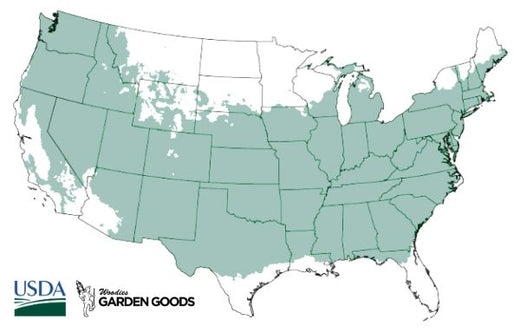
| Hardiness Zone: | 5-8 |
|---|---|
| Mature Height: | 2 to 3 feet |
| Mature Width: | 2 to 3 Feet |
| Sunlight: | Full sun to partial sun |
| Bloom Time / Color: | arly spring; bright yellow flowers |
| Pruning Season: | Prune in late spring after flowering |
| Soil Condition: | Adaptable; best in well-drained soil |
| Water Requirement: | Moderate; water well until established |
| Wildlife Value: | Early-season nectar interest when in bloom |
| Resistance (deer/disease/drought/etc.): | Deer resistant; tolerant once established |
| Landscape Uses: | Foundation beds, borders, low flowering hedges, mass plantings, walkway edging, forcing branches indoors |
How to Care for Show Off® Sugar Baby® Forsythia
Be sure to read our planting instructions to ensure a healthy and happy Show Off® Sugar Baby® Forsythia plant for years to come!
-v1770929395046.png?92x91)
How should I plant Show Off® Sugar Baby® Forsythia?
Plant Show Off® Sugar Baby® Forsythia in full sun to partial sun in well-drained soil. Dig a hole about twice as wide as the root ball and just as deep, set the shrub so the top of the root ball is level with the surrounding soil, then backfill and water deeply to settle roots. If your soil is sandy, blend in compost to help retain moisture; if it’s heavy clay, loosen the surrounding area and add organic matter to improve rooting and drainage. Finish with a 2–3 inch mulch ring to stabilize moisture and temperature, keeping mulch a few inches away from the stems. Place it where you can enjoy the early bloom show—near entries, along walkways, or in front beds—since this plant’s value is its “first big color” moment.
-v1770929417646.png?89x84)
How often should I water Show Off® Sugar Baby® Forsythia after planting?
For the first 2–3 weeks, water every 2–3 days to keep the root zone evenly moist (not soggy), especially in warm or windy weather. After that, transition to deep watering about once per week, increasing to once or twice weekly during hot, dry spells. A slow soak at the base is best because it encourages deeper roots and stronger establishment. Once established, Sugar Baby® is fairly tolerant, but it will bloom better when it’s not drought-stressed the previous summer. During prolonged drought, a deep weekly soak helps keep growth vigorous—which matters because this year’s growth is what carries next spring’s flower buds.
-v1770929442239.png?90x89)
When should I fertilize Show Off® Sugar Baby® Forsythia?
Fertilize in early spring, as new growth begins, with a balanced, slow-release fertilizer. This supports healthy branching and leaf growth without pushing overly soft shoots. If your soil is already reasonably fertile, an annual top dressing of compost and refreshed mulch can be enough to keep the plant thriving. Avoid heavy fertilizing late in summer, which can encourage tender growth at the wrong time. In compact border plantings, modest spring feeding combined with consistent moisture is usually all it takes to keep Sugar Baby® dense and floriferous.

When and how should I prune Show Off® Sugar Baby® Forsythia?
Prune Show Off® Sugar Baby® Forsythia in late spring, right after it finishes flowering. This timing is critical because forsythia blooms on old wood, and pruning later can remove next year’s flower buds. Start by removing dead or damaged branches, then do light shaping to maintain the compact form. Every couple of years, remove a few of the oldest stems at the base to renew the plant and encourage vigorous new shoots. If you’re keeping it as a low hedge, trim gently after bloom and keep the base wider than the top so sunlight reaches lower branches and the shrub stays full.