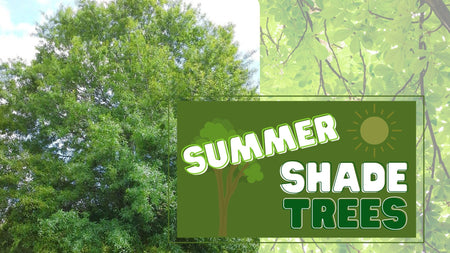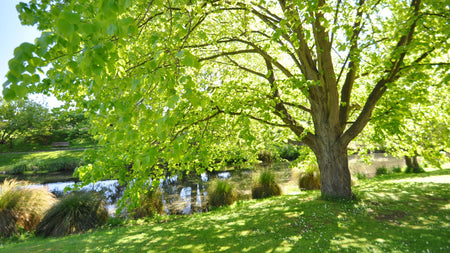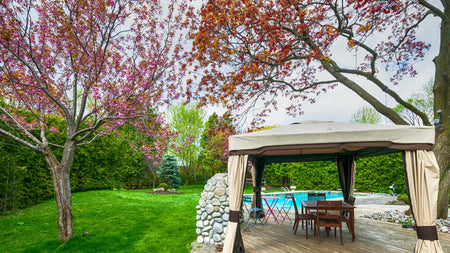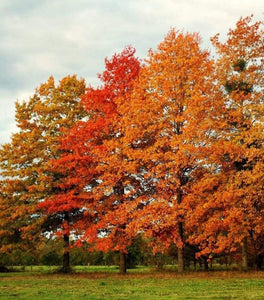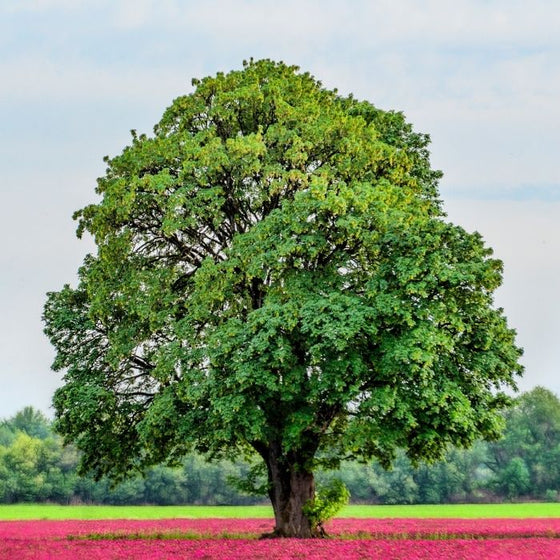

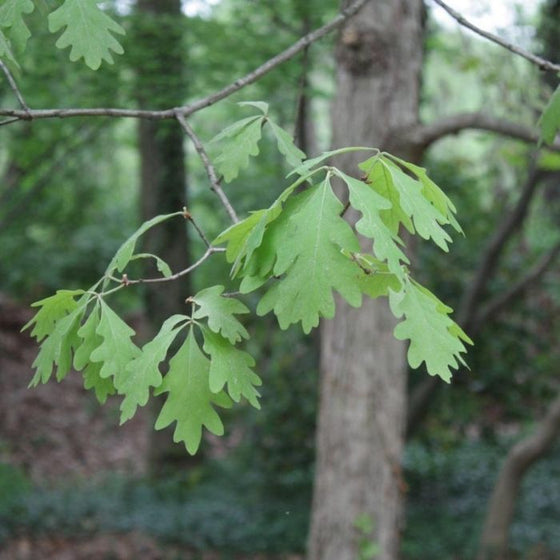
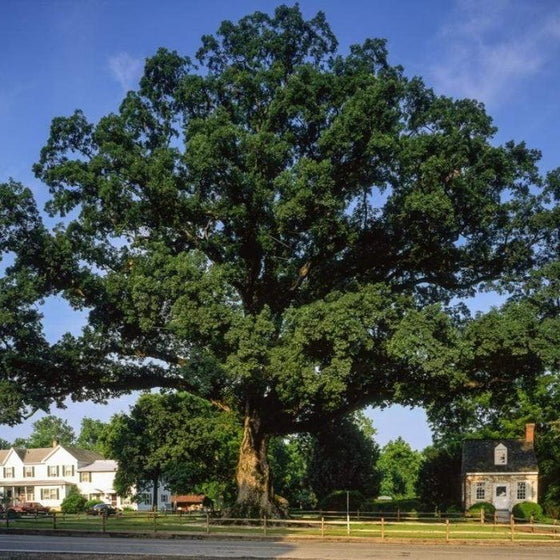


Images Depict Mature Plants
White Oak Tree
Quercus alba
White Oak is one of those trees that says something about the property the minute you plant it. It is not a quick trend tree. It is a true long-term shade tree with strength, beauty, and real native value. The broad canopy, handsome branching, fall color, and wildlife benefits make it one of the smartest choices for a large landscape where you want to plant something that will matter for decades.

15% OFF WITH CODE PLANTING15
Save 15% Off Your Entire Order! Limited time.
📦 Free shipping on orders over $99.
Delay shipping by leaving us a message at Checkout.
Share:

A Stately Native Oak for Shade and Generations of Beauty
A Classic American Shade Tree with Lasting Value
White Oak is one of the most respected native shade trees in the American landscape. Known for its stately form, powerful branching structure, and exceptional longevity, it is the kind of tree homeowners plant not only for themselves, but for the future character of the property.
This is not a small ornamental tree or a short-term landscape solution. White Oak is a true legacy planting, valued for its strength, beauty, and permanence in larger residential landscapes, where a tree should become part of the place's identity.
A Broad Canopy That Delivers Meaningful Shade
As White Oak matures, it develops into a broad, rounded canopy tree capable of providing substantial shade across lawns, open yards, and large planting areas. That canopy is one of its biggest selling points, especially for homeowners who want a tree that can cool outdoor spaces and create a more settled, established feeling over time.
Because of its mature scale, White Oak is best used where it has room to grow into its natural form. In the right setting, it becomes the kind of shade tree that anchors an entire landscape and gives the property a sense of maturity and importance.
Handsome Foliage and Seasonal Color
White Oak carries deeply lobed leaves with a softer, more rounded outline than many other oaks, giving the canopy a classic, recognizable texture throughout the growing season. In spring and summer, the foliage is rich green to blue-green, lending the tree a handsome, substantial look.
In fall, the leaves can turn tones of wine red, reddish brown, or burgundy, adding another season of ornamental interest before winter dormancy. That color shift gives the tree more decorative value than a simple green canopy and helps it remain visually rewarding throughout the year.
Native Strength with Exceptional Wildlife Value
White Oak is native to a broad range of the eastern United States and offers tremendous ecological value. Its acorns support birds, mammals, and other wildlife, while the canopy and branching structure contribute to habitat and long-term environmental richness as the tree matures.
That native value adds another layer to its appeal. Homeowners are not just planting a shade tree. They are choosing a tree that supports wildlife, belongs in the regional landscape, and contributes to a healthier, more meaningful outdoor space.
A Tree for Large Landscapes and Long-Term Thinking
White Oak is best suited for large lawns, estate-style properties, parks, and open landscapes where it can develop without restriction. It grows more slowly than some shade trees, but that measured pace is part of what creates its strength, character, and enduring value over time.
For gardeners and homeowners who want a native tree with stature, beauty, and real permanence, White Oak is one of the finest choices available. It is a tree that brings shade, habitat, and landscape significance in a way few others can match.
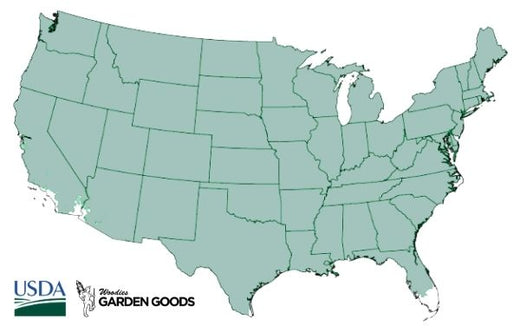
| Hardiness Zone: | 3-9 |
|---|---|
| Mature Height: | 50 to 80 feet |
| Mature Width: | 50 to 80 feet |
| Sunlight: | Full sun to partial shade |
| Soil | Moist, well-drained, mildly acidic to acidic soil |
| Water | Moderate; water regularly during establishment |
| Bloom Time / Color | Spring; inconspicuous yellow-green flowers |
| Ornamental Features | Broad rounded crown, deeply lobed green to blue-green leaves, wine-red to reddish-brown fall color, handsome mature branching |
| Wildlife Value | Acorns support birds and mammals; strong native habitat value |
| Resistance (deer/disease/drought/etc.) | Moderately drought tolerant once established; sensitive to soil compaction |
| Landscape Uses | Shade tree, lawn specimen, park tree, estate planting, native landscape, legacy tree |
How to Care for White Oak Tree
Be sure to read our planting instructions to ensure a healthy and happy White Oak tree for years to come!
-v1775745229574.png?92x91)
How should I plant White Oak Tree?
Plant White Oak Tree in a location with full sun to partial shade and plenty of space for its mature canopy. Dig a hole about twice as wide as the root ball and no deeper than the root ball itself, then place the tree so the root flare sits at or slightly above the surrounding soil level. This helps prevent one of the most common planting mistakes, which is setting the tree too deep. Backfill with native soil, water thoroughly, and mulch around the root zone to help retain moisture and reduce weed competition. Keep mulch several inches away from the trunk. Because White Oak becomes a very large, long-lived tree, it should be planted well away from structures and in a location where it can mature without crowding.
-v1775745250723.png?89x84)
How often should I water White Oak Tree after planting?
Water White Oak Tree deeply right after planting, then continue watering regularly during the establishment period. In most landscapes, that means a deep soaking about once or twice per week depending on rainfall, heat, and soil conditions. The goal is to keep the root zone evenly moist while the tree begins building a strong root system. Once established, White Oak becomes more drought tolerant, but it still benefits from deep watering during extended dry periods, especially while young. Deep watering is much better than frequent shallow watering because it encourages stronger root development and better long-term stability.
-v1775745272655.png?90x89)
When should I fertilize White Oak Tree?
Fertilize White Oak Tree only if needed, especially if a soil test shows a nutrient issue or if growth appears weak. If feeding is necessary, early spring is usually the best time to apply a balanced fertilizer or compost that supports steady growth without forcing overly soft new growth. Avoid unnecessary fertilization, especially in already healthy soil. White Oak often performs best when site conditions are correct from the beginning, particularly proper soil drainage and acidity. In many cases, planting it well and watering it consistently during establishment matter more than aggressive feeding.

When and how should I prune White Oak Tree?
White Oak Tree usually needs only structural pruning when young and occasional removal of dead, damaged, or awkward branches as it matures. Late winter is generally the best time to prune, before spring growth begins and while the branching structure is easier to evaluate. Pruning should focus on improving long-term strength, clearance, and overall form rather than forcing the tree into an artificial shape. Because White Oak develops into such a handsome mature tree, thoughtful light pruning is usually all that is needed to keep it healthy and well formed over time.