

Images Depicted Range in Maturity & Container Size
Pots & Decorations Not Included Unless Otherwise Stated
Red Siam Chinese Evergreen
Aglaonema 'Red Siam'
Red Siam Chinese Evergreen is the kind of houseplant that gives you real color without asking for a complicated care routine in return. The red-edged foliage brings warmth and contrast, the compact clumping habit makes it easy to place on a shelf or desk, and the forgiving aglaonema nature makes it a smart fit for normal indoor life. If you want a colorful indoor plant that feels polished, manageable, and easy to enjoy every day, this one has a lot going for it.

Save Up to 25% On Your Order! Limited Time Only!
Discount Applied Automatically At Checkout
📦 Free shipping on orders over $99.
Share:
Red Siam Chinese Evergreen for Bold Indoor Color
Red-Edged Foliage That Brings Warmth And Contrast Indoors
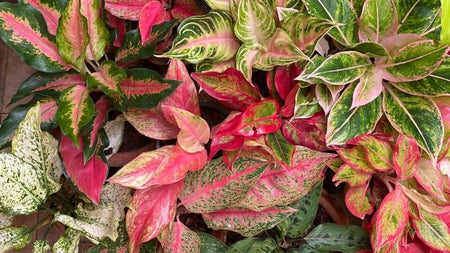
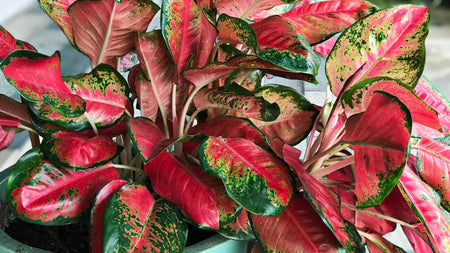
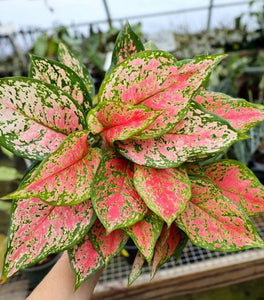
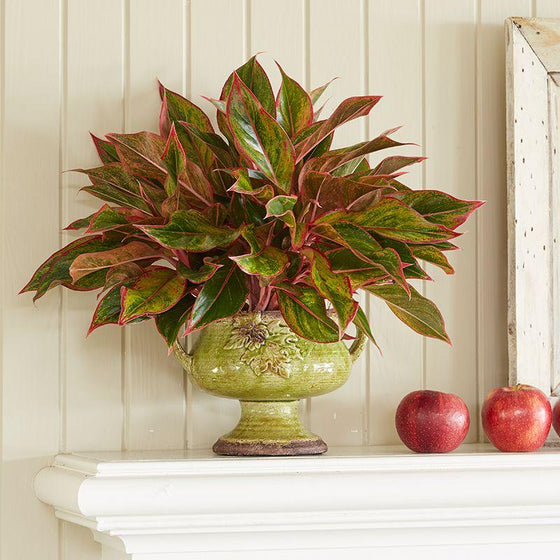
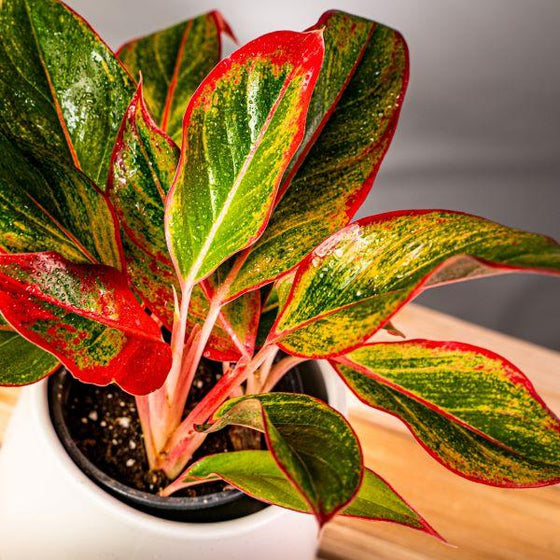
Red Siam Chinese Evergreen stands out because it provides strong color indoors through its foliage rather than short-lived blooms. The leaves typically combine deep green centers with vivid red to pinkish-red edging and veining, giving the plant a warmer, more dramatic look than a standard green houseplant. That contrast makes it especially useful in rooms that need a little more energy and personality without moving into a large or fussy statement plant. Chinese Evergreen cultivars are broadly valued for vividly patterned foliage, and red-toned forms like this are especially popular because they add color while still behaving like practical indoor plants.
That colorful foliage also gives Red Siam strong design flexibility. It works well against neutral walls, warm wood furniture, black accents, and simple interiors where a plant with more visual personality can do a lot of work. The leaves are glossy and broad enough to feel lush, but the overall plant still reads as neat and controlled rather than sprawling. For plant lovers who want a houseplant that feels tropical, colorful, and polished right away, Red Siam Chinese Evergreen offers that look in a very manageable form. General Chinese Evergreen care references consistently position the group as decorative indoor foliage plants valued more for leaf color and pattern than for flowers.
A Flexible Houseplant For Offices, Bedrooms, And Everyday Spaces
One of the biggest reasons to choose Red Siam Chinese Evergreen is how well it fits normal indoor life. Chinese Evergreens are widely known for tolerating lower light better than many tropical foliage plants, which makes them practical for offices, bedrooms, apartments, and rooms that do not receive strong sun for most of the day. That does not mean they look their best in deep shade, but it does mean they are often more forgiving than many other colorful plants. Current Chinese Evergreen guidance notes bright indirect to low light, with variegated or colorful varieties generally showing stronger color in better indirect light.
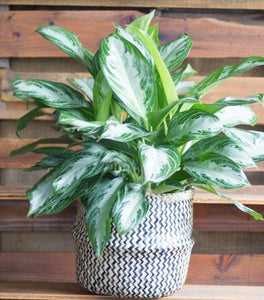
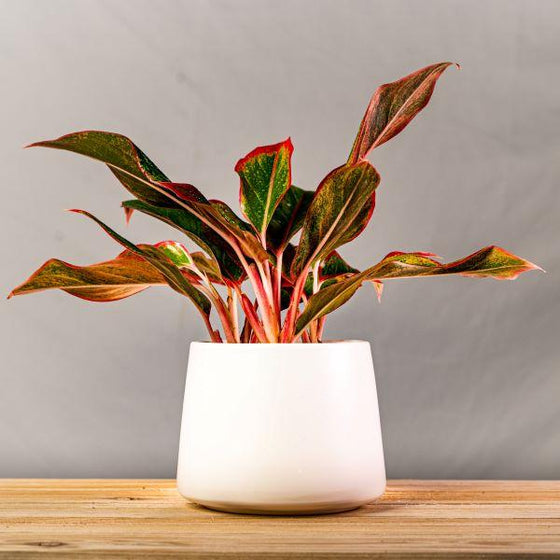
Its habit makes placement easier, too. Red Siam Chinese Evergreen typically grows in an upright, clumping form, staying tidy and full rather than trailing or climbing. That makes it a natural fit for desks, shelves, side tables, consoles, and plant stands where width and ease matter more than height. For homeowners who want a colorful houseplant that can brighten a room without taking over it, this is a very practical choice. General size guidance for Chinese Evergreens and the closely related red-toned ‘Siam Aurora’ places them in the compact-to-medium indoor range, often around 1 to 3 feet tall and wide.
Easy-Care Growth With Best Color In Indirect Light
Red Siam Chinese Evergreen has strong beginner appeal because it offers a lot of visual payoff without requiring a difficult routine. Watering is straightforward when the pot and soil are right: let the top inch or two of the mix dry, then water thoroughly and allow the excess to drain away. The biggest mistake is usually keeping the soil too wet for too long. Current care guidance for Chinese Evergreen and colorful aglaonemas consistently recommends allowing the soil to dry somewhat between waterings rather than keeping it constantly damp.
The main thing to understand is that tolerance and best appearance are not the same thing. Red Siam can adapt to lower light, but medium to bright indirect light usually supports fuller growth and stronger red edging. Very dim conditions may keep the plant alive, but the foliage can look less vibrant over time. Average household humidity is usually workable, though aglaonemas generally appreciate warm indoor temperatures and should be kept away from cold drafts. Current references also note that Chinese Evergreens are sensitive to cold and do best with steady indoor conditions.
A Great Gift Plant With Clear Pet And Family Placement Needs
Red Siam Chinese Evergreen makes a strong gift because it looks special right away but does not require an intimidating care routine. The red-edged foliage gives it more personality than a plain green plant, which makes it especially well-suited for birthdays, housewarmings, office gifts, and thank-you occasions. At the same time, aglaonemas are broadly known for being adaptable, low-maintenance indoor plants, so the recipient gets a colorful plant that is still realistic to care for in everyday life.
The main practical caution is placement around pets and children. Chinese Evergreens are not pet-safe and can cause irritation if chewed or ingested because of insoluble calcium oxalate crystals. That does not make them unusable in family homes, but it does mean the best placement is usually on a desk, shelf, plant stand, or in a room where curious pets are less likely to nibble the leaves. For households that can manage that placement, Red Siam Chinese Evergreen offers bright foliage color, dependable indoor performance, and a compact, easy-to-style habit.
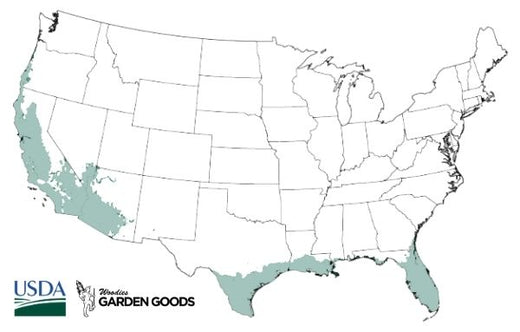
| Hardiness Zone: | 9-11 |
|---|---|
| Mature Height: | 1 to 3 Feet |
| Mature Width: | 1 to 3 Feet |
| Sunlight: | Medium to bright indirect light is best; tolerates lower light, but color is usually strongest in better indirect light |
| Water | Water when the top 1 to 2 in. of soil feel dry; do not keep constantly soggy |
| Soil: | Water when the top 1 to 2 in. of soil feel dry; do not keep constantly soggy |
| Humidity | Average to moderate humidity is usually acceptable |
| Growth Habit | Upright, clumping, compact tropical foliage plant |
| Foliage Color / Texture | Glossy green leaves with red to pinkish-red margins and veining |
| Ornamental Features | Red-edged foliage, colorful tropical contrast, and a tidy upright clumping habit |
| Pet Safety | Not pet-safe |
| Best Uses Indoors | Desk plant, shelf plant, office plant, bedroom accent, colorful low-light foliage plant |
How to Care for Red Siam Chinese Evergreen
Please review our planting and care instructions for Red Siam Chinese Evergreen
-v1784216918742.png?92x91)
How should I pot Red Siam Chinese Evergreen?
Pot Red Siam Chinese Evergreen in a container with drainage holes and use a loose, well-draining indoor potting mix that will not stay heavy and wet for too long. Choose a pot only about 1 to 2 inches wider than the current root ball so the roots can settle in evenly without extra soggy soil collecting around them. Chinese Evergreen care guidance broadly supports a well-drained potting medium and cautions against keeping roots overly wet. Set the plant at the same depth it was growing before, then water thoroughly until excess drains away. After potting, place it in medium to bright indirect light and keep it away from cold drafts while it adjusts to the new container. That combination usually supports the smoothest indoor transition.
-v1763490736432.png?89x84)
How often should I water Red Siam Chinese Evergreen?
Water Red Siam Chinese Evergreen when the top 1 to 2 inches of soil feel dry rather than following a strict weekly schedule. In brighter rooms and warmer indoor conditions it may dry a little faster, while lower-light spaces usually slow the watering cycle down. Current care guidance for Chinese Evergreens and colorful aglaonemas consistently recommends allowing the upper layer of soil to dry before watering again. When you water, soak the root zone evenly and let all extra moisture drain away completely. This plant generally performs better with slight drying between waterings than with constantly wet soil around the roots, and overwatering is much more likely to cause trouble than waiting until the upper layer dries first.
-v1763490781664.png?90x89)
When should I fertilize Red Siam Chinese Evergreen?
Fertilize Red Siam Chinese Evergreen during spring and summer when it is actively growing and producing fresh foliage. A balanced liquid houseplant fertilizer diluted to a rate every 4 to 6 weeks is a practical indoor schedule for maintaining healthy growth and good foliage color without pushing the plant too hard. Current guidance on colorful aglaonemas supports moderate feeding during the active season rather than heavy year-round feeding. Reduce or stop feeding in fall and winter when growth naturally slows indoors. Too much fertilizer can build up in the soil and stress the roots, so a moderate feeding routine is usually the better long-term approach for keeping the foliage attractive.

When and how should I prune Red Siam Chinese Evergreen?
Prune Red Siam Chinese Evergreen whenever you need to remove yellowing, damaged, or aging leaves, and do light shaping in spring if the plant becomes uneven. Use clean, sharp scissors or pruners and remove individual leaves near the base rather than cutting across the top of the plant. Because Chinese Evergreens naturally grow in a tidy clumping form, pruning is usually light and mostly cosmetic. Regular cleanup helps the plant stay full, attractive, and fresh-looking indoors. If a stem becomes leggy or a leaf is badly damaged, selective removal is usually more effective than aggressive reshaping. The goal is usually to preserve the plant’s full, bushy look rather than force dramatic regrowth.