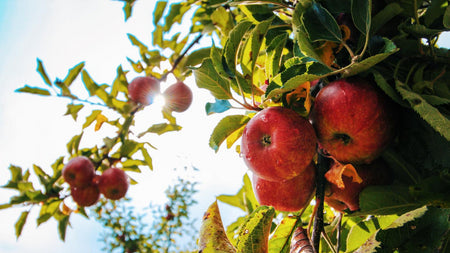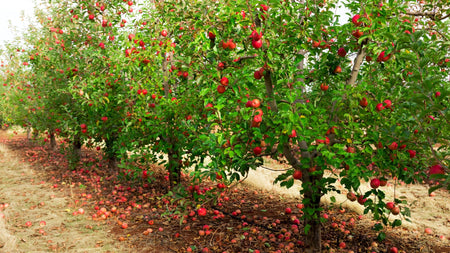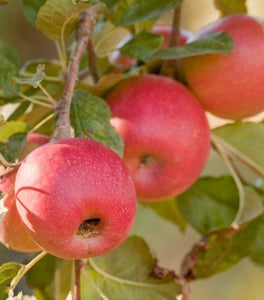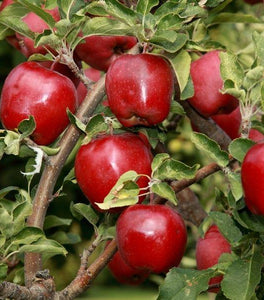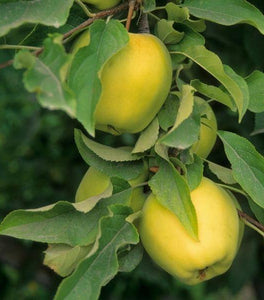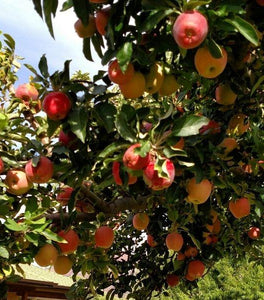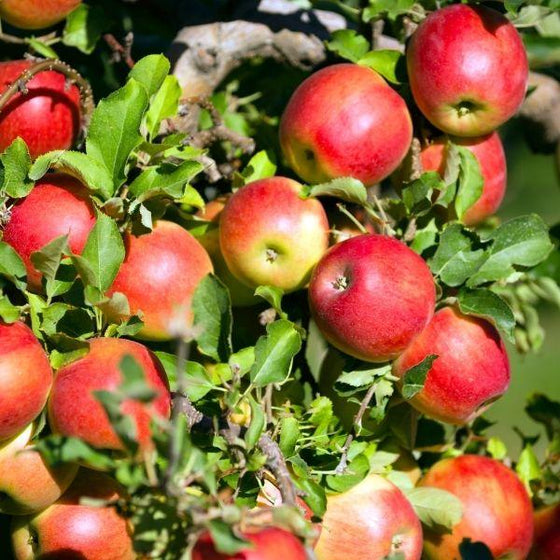
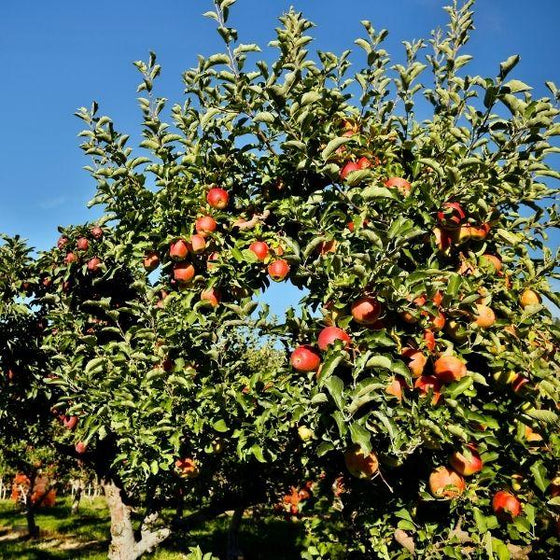


Images Depict Mature Plants
Gala Apple Tree
Malus domestica ' Gala'
Gala Apple Tree is one of the easiest fruit trees to feel good about planting because it gives you something at every stage of the season. The spring bloom is beautiful, the tree has a classic orchard look in the landscape, and the fruit is sweet, crisp, and easy for the whole family to enjoy. For homeowners wanting a backyard apple tree that feels both productive and approachable, Gala is a really solid choice.

15% OFF WITH CODE PLANTING15
Save 15% Off Your Entire Order! Limited time.
📦 Free shipping on orders over $99.
Delay shipping by leaving us a message at Checkout.
Share:


Sweet, Crisp Fruit from a Beautiful Backyard Tree
A Favorite Apple Tree for the Home Orchard
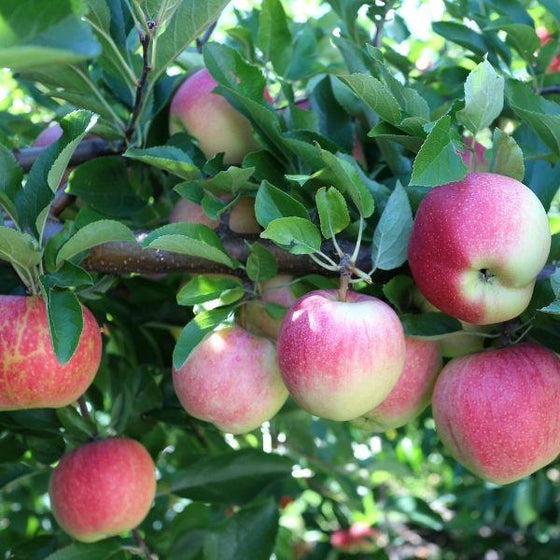
Gala Apple Tree is a classic choice for homeowners seeking a productive, broadly appealing fruit tree. It is prized for its sweet flavor, crisp texture, and handsome red-over-yellow fruit, making it one of the most approachable and rewarding apple trees to grow in the backyard landscape.
This is the kind of tree that delivers more than a harvest. It adds real seasonal value to the garden, from spring flowers to developing summer fruit to the satisfaction of picking homegrown apples as the season turns toward fall.
Fresh-Eating Flavor with Versatile Kitchen Value
Gala apples are known for their sweet, clean flavor and satisfying crunch, which makes them a standout for fresh eating right off the tree. They are also useful in the kitchen for salads, baking, lunchboxes, and general everyday use, giving homeowners a fruit tree that earns its place both outdoors and at the table.
That versatility is a major selling point. Instead of growing a fruit with only one purpose, gardeners get an apple with family-friendly flavor and broad kitchen versatility, making the harvest feel generous and practical.
Spring Flowers and Ornamental Landscape Appeal
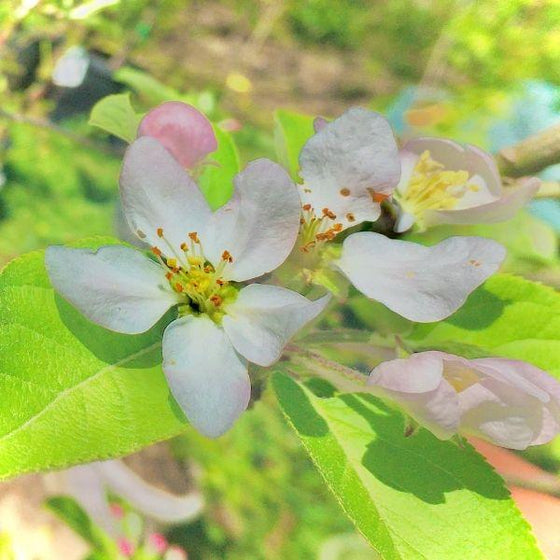
Before the fruit arrives, the Gala Apple Tree brings a beautiful spring display with showy white blossoms that add ornamental charm to the landscape. Those flowers brighten the tree in early season and help make it feel like a flowering feature as much as a fruit-bearing one.
Its broad deciduous canopy and dark green foliage add further value through the growing season. Whether planted in a lawn, orchard row, or edible landscape bed, this tree contributes structure, shade, and seasonal character long after bloom time has passed.
A Strong Choice for Backyard Orchards and Edible Landscapes
Gala Apple Tree fits beautifully into home orchards, kitchen gardens, and edible landscapes where beauty and productivity need to work together. It can serve as a productive specimen tree or be paired with another compatible apple variety to improve pollination and support heavier fruit set.
For homeowners who want to grow more of what they eat without sacrificing landscape appeal, Gala offers an ideal balance. It feels at home in a dedicated orchard setting, but it is equally compelling in a mixed-use residential landscape.
Easy to Enjoy, Rewarding to Grow
Gala Apple Tree performs best in full sun and well-drained soil, with regular water during establishment and annual pruning to maintain shape and fruiting structure. Once settled in, it becomes a satisfying long-term investment that can reward gardeners with both beauty and harvest over many seasons.
For anyone looking to start a backyard orchard with a well-loved apple variety, Gala is a smart and inviting choice. It offers recognizable fruit quality, attractive spring bloom, and the kind of productivity that makes growing your own feel worthwhile.
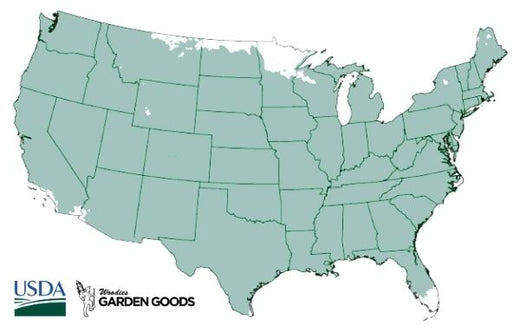
| Hardiness Zone: | 4-9 |
|---|---|
| Mature Height: | 12 to 15 feet |
| Mature Width: | 12 to 15 feet |
| Sunlight: | Full sun |
| Bloom Time / Color | Spring; white blossoms |
| Soil Condition: | Any well drained soil |
| Water Requirement: | Water regularly until established; moderate ongoing moisture preferred |
| Ornamental Features | Spring flowering, spreading umbrella-shaped canopy, dark green foliage, colorful fruit |
| Wildlife Value | Supports pollinators during bloom |
| Resistance (deer/disease/drought/etc.) | Not reliably deer resistant; best performance with good airflow and routine orchard care |
| Landscape Uses | Backyard orchards, edible landscapes, specimen tree, family garden, fruiting row plantings |
How to Care for Gala Apple Tree
Before you buy a Gala Apple Tree, make sure to read about the recommended care instructions to keep this plant healthy and thriving.

How should I plant Gala Apple Tree?
Plant Gala Apple Tree in a full sun location with well-drained soil and enough room for the canopy to mature. Dig a hole about twice as wide as the root ball and no deeper than the root ball itself, then set the tree so the top of the root zone sits level with the surrounding soil. This helps prevent settling too deep, which can slow establishment and reduce vigor. Backfill with native soil, water deeply, and mulch the root area to help regulate soil moisture and reduce weed competition. Keep mulch a few inches away from the trunk. If you are planting more than one apple tree for pollination and harvest, allow good spacing for airflow and future growth.

How often should I water Gala Apple Tree after planting?
Water Gala Apple Tree deeply right after planting, then continue with regular watering during the establishment period. In most landscapes, that means a deep soaking about once or twice per week depending on rainfall, heat, and soil type. The goal is to keep the soil consistently moist but never waterlogged. Once established, the tree still benefits from supplemental watering during dry periods, especially while flowering, setting fruit, and sizing apples. Deep watering is always better than frequent shallow watering because it encourages a stronger, deeper root system.

When should I fertilize Gala Apple Tree?
Fertilize Gala Apple Tree in early spring as new growth begins, using a balanced fertilizer suited for fruit trees if your soil needs support. Many home gardeners also improve performance with compost around the root zone, which helps build soil structure and steady fertility over time. Avoid overfeeding with high-nitrogen fertilizers, since too much leafy growth can reduce fruiting performance and create a tree that is more vigorous than productive. The best results come from moderate feeding, full sun, and consistent annual care.

When and how should I prune Gala Apple Tree?
Prune Gala Apple Tree in late winter while the tree is dormant. Focus on removing dead, damaged, or crossing branches and opening the canopy for sunlight and air movement. Good pruning helps maintain structure, improves fruit quality, and supports long-term productivity. As the tree matures, continue shaping it to balance new fruiting wood with overall form. Avoid heavy, random cutting during the growing season. Annual dormant pruning is the best way to keep the tree manageable, healthy, and easier to harvest.