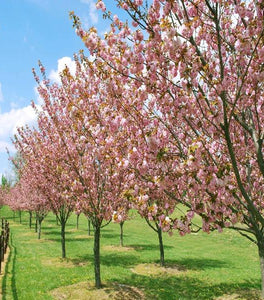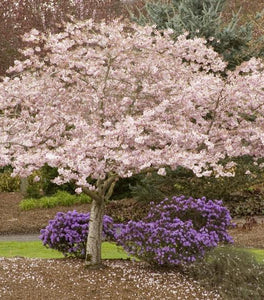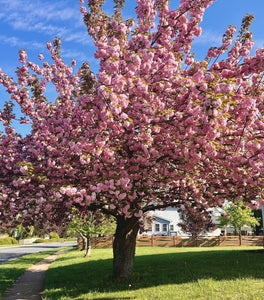
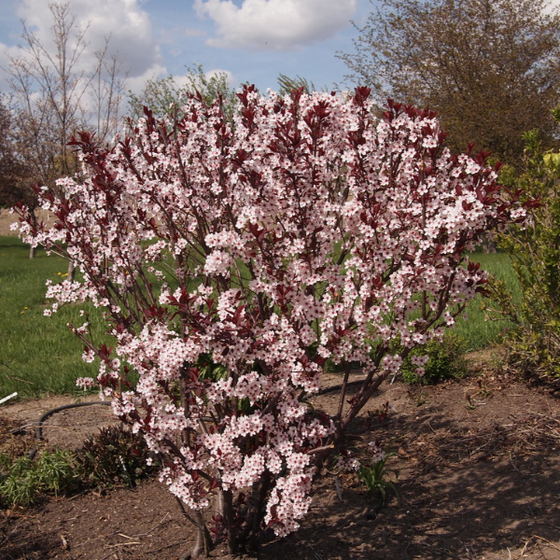


Images Depict Mature Plants
Purple Leaf Sand Cherry
Prunus x cistena
Purple Leaf Sand Cherry is one of my favorite shrubs for adding foliage contrast where a planting bed needs a little drama. The reddish-purple leaves hold attention all season, and the fragrant white spring flowers keep it from feeling like it is only about leaf color. I also like that it works in several ways, whether you need a specimen shrub, a mixed-border accent, or a grouped planting with real visual punch. For homeowners looking for a purple foliage shrub with spring bloom and strong seasonal color, this is a really useful choice.

15% OFF WITH CODE PLANTING15
Save 15% Off Your Entire Order! Limited time.
📦 Free shipping on orders over $99.
Delay shipping by leaving us a message at Checkout.
Share:



A Colorful Ornamental Shrub With Purple Foliage And Fragrant Spring Flowers
Rich Purple Foliage That Brings Season-Long Contrast
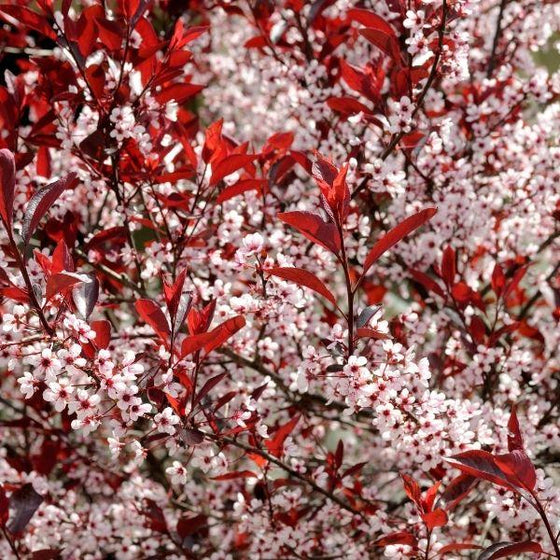
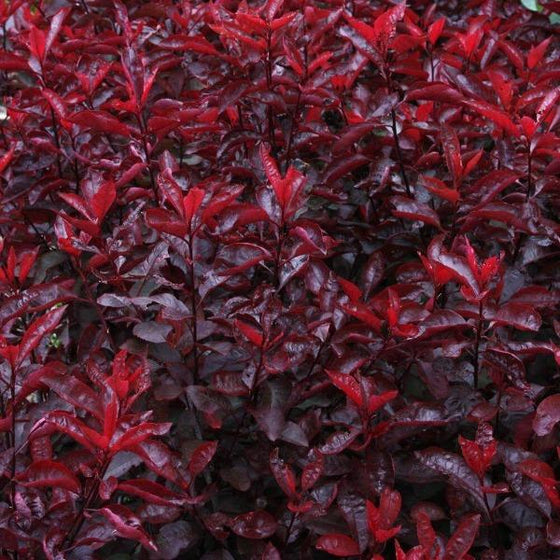
Purple Leaf Sand Cherry is one of those shrubs that can completely change the feel of a planting bed just by being there. Its foliage emerges in rich shades of red, maroon, and purple, giving the plant a bold ornamental presence from the start of the growing season. That dark leaf color creates beautiful contrast against green evergreens, gold foliage plants, flowering perennials, and lighter-colored mulch or stone.
Unlike many flowering shrubs that only peak for a short moment, this one keeps delivering through the season because the foliage remains the main attraction long after spring bloom has passed. For homeowners looking for a shrub that adds dependable color and structure without needing flowers to carry the whole show, Purple Leaf Sand Cherry is a strong choice.
Fragrant White Spring Flowers That Brighten The Dark Foliage
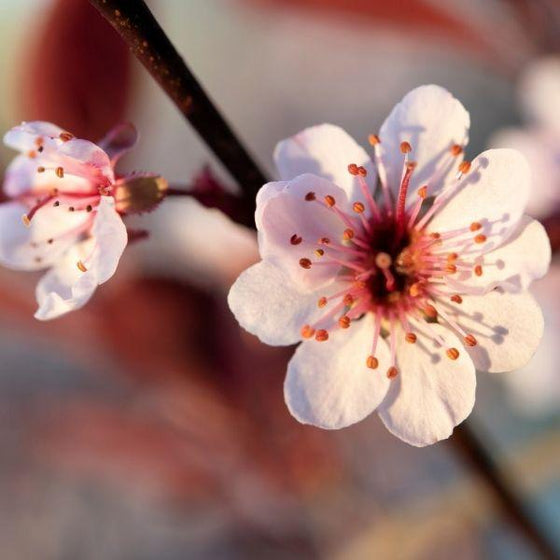
In spring, Purple Leaf Sand Cherry adds another layer of appeal when pinkish-white buds open into fragrant white flowers. Because the blooms appear against the deep reddish-purple foliage, the contrast is especially eye-catching, giving the shrub a softer, more refined look during its bloom season. The flowers are not overly flashy, but they add just enough brightness to make the plant feel fresh and lively.
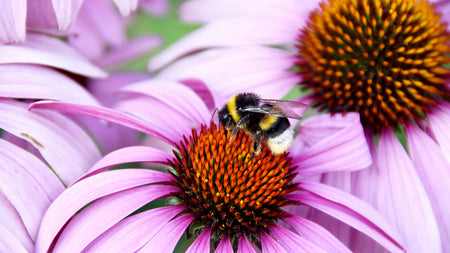
That spring bloom period also gives the shrub pollinator value, which makes it useful in more habitat-friendly planting plans. For gardeners who want a flowering shrub that does not lose relevance after bloom time, this is an excellent fit. It balances flower interest with strong foliage color in a way that feels very easy to use in the landscape.
A Useful Shrub For Borders, Focal Points, And Mass Planting
Purple Leaf Sand Cherry grows in an upright, densely branched habit that makes it versatile in home landscapes. It works beautifully as a single accent shrub in a mixed border, where the foliage color can stand out against greener companions. It is also very effective in grouped or mass plantings, where repeated plants can create a bold ribbon of color through a foundation bed, property edge, or sunny island planting.
Because it stays in a manageable shrub size range, it is easier to place than many larger ornamental shrubs or small trees. It can even be trained as a small tree in some settings, which gives gardeners another design option when they want height and foliage color from a single plant. Whether used as a specimen or repeated for a stronger impact, it adds structure and visual depth to the landscape.
A Pollinator-Friendly Ornamental Shrub With Multi-Season Value
Purple Leaf Sand Cherry brings more than foliage and flowers to the garden. Small blackish-purple fruits can follow the bloom period in summer, and birds are known to enjoy them. In fall, the foliage shifts toward yellow, adding another season of color before the shrub goes dormant. That progression gives the plant more depth and usefulness than homeowners might expect from a foliage-driven shrub.
It is especially rewarding when planted in a sunny location with well-drained soil and enough moisture to stay healthy through summer. Because it is not especially drought-tolerant, it benefits from thoughtful placement and occasional supplemental watering during hot, dry periods. Give it the right spot, and it rewards you with color, fragrance, pollinator appeal, and strong landscape presence from spring through fall.
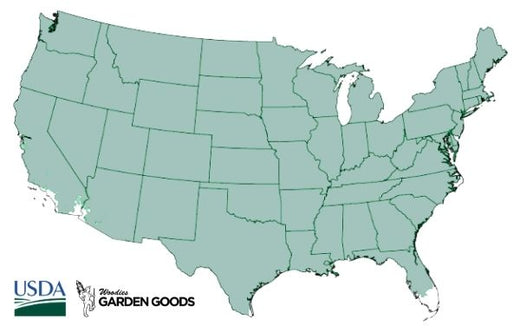
| Hardiness Zone: | 3-9 |
|---|---|
| Mature Height: | 6 to 8 feet |
| Mature Width: | 4 to 6 feet |
| Sunlight: | Full Sun to part sun |
| Bloom Time / Color | Spring to early summer; fragrant white flowers with pink tints |
| Soil Condition: | Any well-drained soil; prefers moist, sandy, well-drained soil |
| Water Requirements: | Water well until established; appreciates extra water in drought or extreme heat |
| Wildlife Value | Provides nectar for pollinators and fruit for birds |
| Resistance (deer/disease/drought/etc.) | Not considered drought tolerant; best with consistent moisture |
| Landscape Uses | Mixed border focal point, specimen shrub, mass planting, foundation accent, pollinator planting |
How to Care for Purple Leaf Sand Cherry
Before you purchase your Purple Leaf Sand Cherry plant, be sure to read the recommended care instructions to ensure your plant remains happy and healthy for years to come.
-v1774277469852.png?92x91)
How should I plant Purple Leaf Sand Cherry?
Plant Purple Leaf Sand Cherry in a location where it will receive at least four hours of direct sunlight each day, with full sun to part sun being ideal. Choose a spot with well-drained soil and enough room for the shrub to develop its upright, branching habit. This plant works especially well in mixed borders, as a colorful accent, or in grouped plantings where the foliage can create contrast. Dig a hole wide enough to loosen the surrounding soil and set the shrub at the same depth it was growing in its container. Backfill with native soil, water thoroughly to settle the roots, and apply a 2- to 3-inch layer of mulch around the base while keeping mulch slightly away from the stems. Mulch helps conserve moisture and reduces weed competition, which is especially useful for a shrub that prefers evenly moist soil.
-v1774277508995.png?89x84)
How often should I water Purple Leaf Sand Cherry after planting?
Water Purple Leaf Sand Cherry thoroughly right after planting so the roots can establish in their new soil. During establishment, keep the root zone evenly moist without allowing the plant to sit in soggy ground. Once established, natural rainfall is often enough in normal conditions, but you should water during drought or prolonged hot weather to keep the soil from drying out too far. This shrub is not especially drought tolerant, so consistent moisture matters more than it does for tougher low-water shrubs. Deep watering during hot periods is much better than frequent shallow watering, especially if the shrub is planted in full sun.
-v1774277513893.png?90x89)
When should I fertilize Purple Leaf Sand Cherry?
Purple Leaf Sand Cherry benefits from fertilizing once in spring and once in summer during the active growing season. A starter fertilizer at planting can help support early root development, and a balanced fertilizer or liquid feed during the growing season can support healthy foliage and flowering. Avoid fertilizing after August because the plant will be preparing for dormancy. Late-season feeding can encourage tender new growth that may not harden off properly before colder weather arrives. A moderate feeding schedule is usually enough to keep the shrub growing well.

When and how should I prune Purple Leaf Sand Cherry?
Prune Purple Leaf Sand Cherry in late winter to early spring. This timing helps encourage increased branching and can also improve flower production for the coming season. Start by removing the oldest stems as well as any dead or damaged growth at the base, then clean up any straggly branches to keep the shrub looking tidy. Because this shrub can become a little loose over time, light annual pruning is helpful for maintaining shape and vigor. Use sharp, clean tools and focus on selective cuts rather than shearing the whole plant heavily.