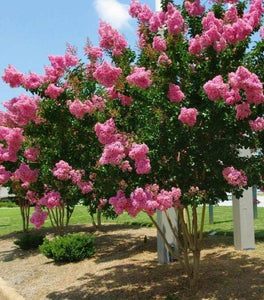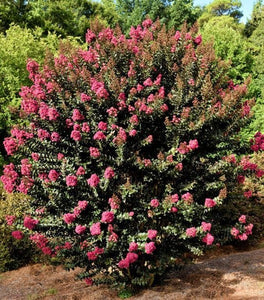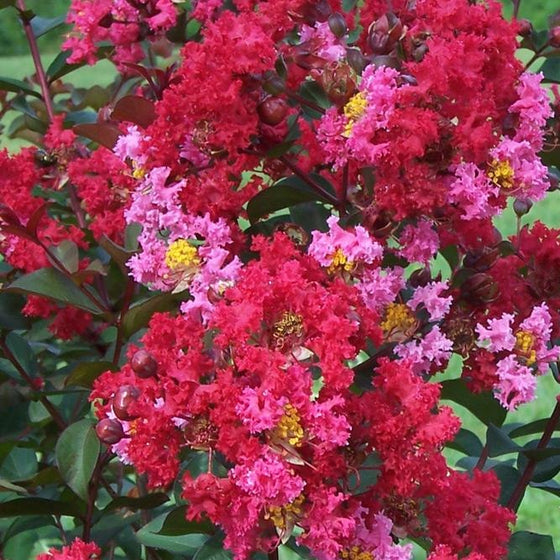
Images Depict Mature Plants
Princess Zoey Crape Myrtle
Lagerstroemia x 'GA 0702' Princess Zoey
Princess Zoey is the kind of crape myrtle that makes a lot of sense for real-world landscapes. The size is easy, the bloom color is fun and different, and it gives you that long summer flower show without turning into a shrub that constantly needs to be wrestled back into place.

20% OFF SITEWIDE SALE
Use Code 'OCTOBER20' At Checkout
📦 Free shipping on orders over $99.
Delay shipping by leaving us a message at Checkout.
Share:



Playful Pink and Red Blooms on a True Dwarf Crape Myrtle
A small crape myrtle with a big seasonal personality
Princess Zoey Crape Myrtle packs a surprising amount of color and charm into a genuinely compact plant. This dwarf crape myrtle offers homeowners the long summer bloom season they love, in a size that fits comfortably in smaller landscapes, patio spaces, and tighter foundation beds. It feels cheerful, polished, and easy to place, which makes it especially appealing in landscapes where every shrub has to contribute without taking over.
Pink and red blooms create a lively summer display
The flower's color makes Princess Zoey especially memorable. Instead of delivering a flat single tone, this variety is known for showing bright pink and cherry-red tones simultaneously, creating a lively, multicolored effect throughout the bloom season. That color play gives the plant extra visual energy and helps it stand out in containers, front-yard beds, and small garden spaces where a bold summer focal point goes a long way.
Compact growth keeps it useful in smaller spaces
Princess Zoey is prized for its petite, bushy habit, making it a much easier fit than larger crape myrtles that can quickly outgrow the average home landscape. It naturally lends itself to decorative borders, front walk plantings, low flowering groupings, and sunny container gardens. For homeowners who want crape myrtle color without needing the footprint of a large shrub or small tree, this variety offers a much more flexible solution.
Summer bloom, fall color, and pollinator appeal
This plant brings more than just one moment of color. Princess Zoey blooms from summer into fall, extending the season when many spring-flowering shrubs are long finished. Dark green foliage can also shift toward red-purple fall tones, adding another layer of interest as the season changes, while the flowers help support pollinators during the warmest months of the year.
Heat-loving, drought-tolerant, and easy to maintain
Princess Zoey performs best in full sun and well-drained soil, where it flowers most heavily and keeps its dense habit. Once established, it offers good drought tolerance and is widely marketed as low maintenance, making it a practical choice for busy homeowners. Deer resistance is sometimes listed for this variety, but because that trait is less consistently documented than its bloom color, compact size, and reblooming habit, it is best described with some caution rather than as fully deer proof.
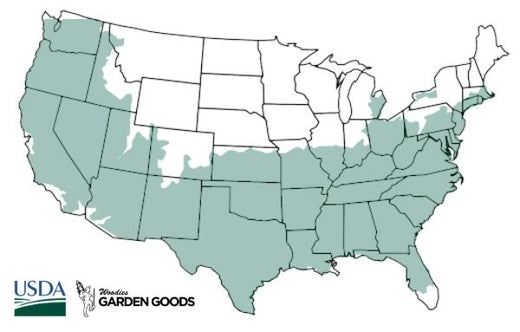
| Hardiness Zone: | 6-9 |
|---|---|
| Mature Height: | 3 to 5 feet |
| Mature Width: | 3 to 5 feet |
| Sunlight: | Full Sun |
| Soil: | Well-drained soil |
| Water: | Moderate during establishment; drought tolerant once established |
| Bloom Time / Color: | Summer into fall; bright pink and cherry-red blooms |
| Foliage: | Dark green foliage with red-purple fall color |
| Ornamental Features: | True dwarf habit, multicolored blooms, reblooming performance, compact bushy form |
| Wildlife Value: | Pollinator-friendly flowers that attract bees and butterflies |
| Resistance (deer/disease/drought/etc.): | Drought tolerant once established, heat tolerant, deer resistance often listed but should be considered relative rather than absolute |
| Landscape Uses: | Containers, borders, foundation beds, small gardens, patio accents, low flowering groupings |
How to Care for Princess Zoey Crape Myrtle
Before you buy a Princess Zoey Crape Myrtle, make sure to read about the care instructions that are recommended to keep this plant healthy and thriving.
-v1776446824058.png?92x91)
How should I plant Princess Zoey Crape Myrtle?
Plant Princess Zoey Crape Myrtle in full sun and well-drained soil so it can develop strong flowering and a dense, compact habit. Dig a hole about twice as wide as the root ball and no deeper than the root ball itself, then place the shrub so the top of the root ball sits level with the surrounding soil. Backfill with the native soil, water thoroughly, and add mulch around the base to help conserve moisture and reduce temperature swings in the root zone. If you are planting Princess Zoey in a container, use a pot with strong drainage and a quality potting mix that does not stay overly wet.
-v1745888760435.png?89x84)
How often should I water Princess Zoey Crape Myrtle after planting?
Water Princess Zoey Crape Myrtle deeply right after planting, then keep the soil evenly moist during the first growing season while the roots establish. In most landscapes, that means watering about once or twice per week, depending on rainfall, heat, and how quickly the soil drains. Once established, this dwarf crape myrtle becomes more drought-tolerant and usually needs supplemental water mainly during prolonged hot, dry weather. Container-grown plants dry out faster than in-ground plants, so they need closer attention during the hottest part of summer.
-v1745888780700.png?90x89)
When should I fertilize Princess Zoey Crape Myrtle?
Fertilize Princess Zoey Crape Myrtle in early spring as new growth begins, using a balanced slow-release fertilizer for flowering shrubs. That timing supports healthy foliage and strong bloom production without pushing weak, overly lush growth. Avoid heavy applications of high-nitrogen fertilizer, especially later in the season. Too much nitrogen can encourage more leaf growth at the expense of flowers, which is the opposite of what most homeowners want from a compact blooming crape myrtle.

When and how should I prune Princess Zoey Crape Myrtle?
Prune Princess Zoey Crape Myrtle in late winter or very early spring before new growth starts. Since crape myrtles bloom on new wood, this timing lets you shape the shrub and remove damaged or weak stems without sacrificing the upcoming bloom season. This variety usually needs only light pruning to keep its natural bushy form looking tidy. Focus on removing dead, crossing, or crowded branches and avoid severe topping, since that can spoil the plant’s compact habit and overall appearance.