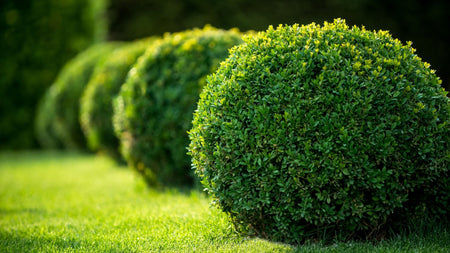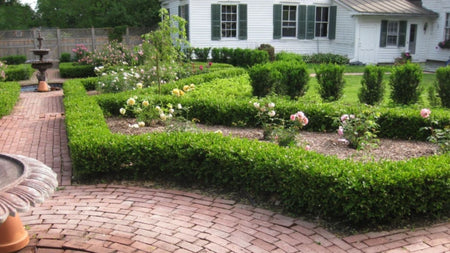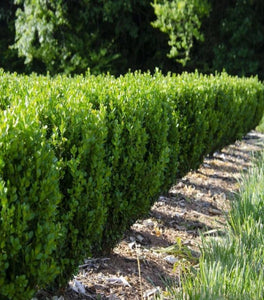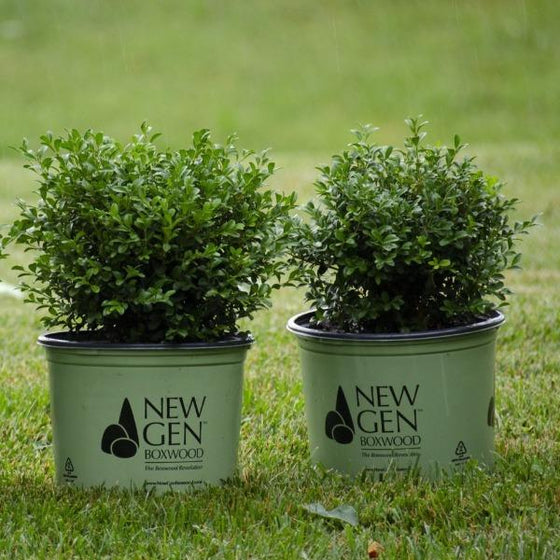
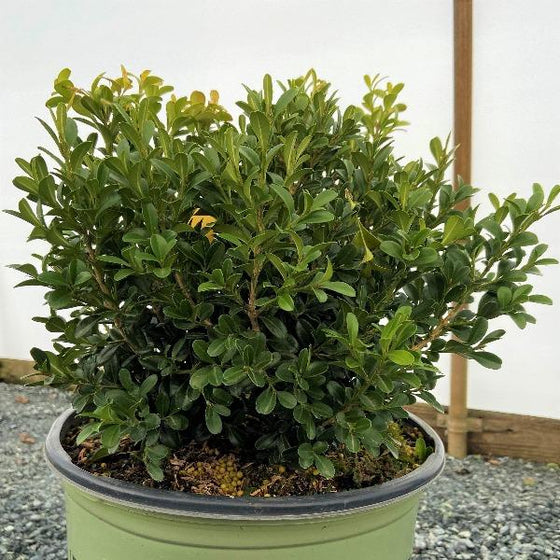
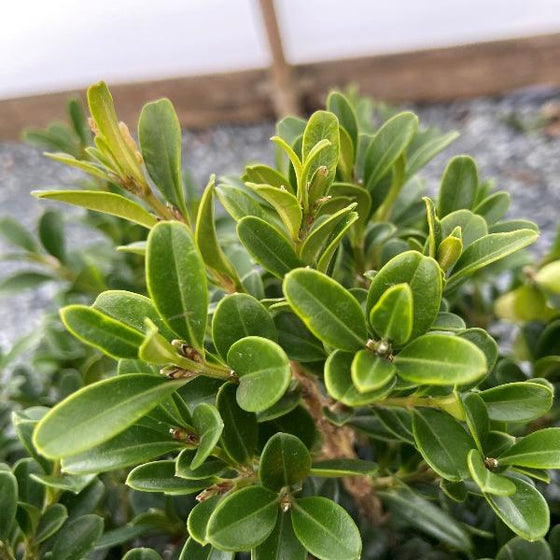


Images Depict Mature Plants
NewGen Independence® Boxwood
Buxus NewGen Independence® 'SB 108' PP28888
If you love the classic boxwood look but have been hesitant due to blight concerns, NewGen Independence® is the kind of upgrade that lets you plant with confidence. It stays compact, dense, and beautifully green, it fits almost anywhere, and it’s incredibly easy to keep looking polished with a simple watering routine in year one and a light annual prune.

15% OFF WITH CODE PLANTING15
Save 15% Off Your Entire Order! Limited time.
📦 Free shipping on orders over $99.
Delay shipping by leaving us a message at Checkout.
Share:

NewGen Independence® Boxwood For Blight-Resistant Evergreen Hedges, Borders, And Confident Curb Appeal
A Blight-Resistant Boxwood That Helps Your Hedge Stay Beautiful
NewGen Independence® Boxwood was bred to make boxwood planting feel like a smart decision again—especially in areas where boxwood blight is a real concern. You still get the classic look: dense evergreen foliage, a naturally tidy outline, and that clean, structured “garden architecture” boxwoods are famous for. The difference is peace of mind: this variety is known for strong resilience to common boxwood problems, so your hedge can stay full and green with fewer headaches.
In the landscape, it’s an easy way to create order. Use it to define borders, frame foundation beds, or build a low evergreen hedge that looks polished year-round. It’s also a great “connector plant” that ties together flowers, perennials, and hardscape—because evergreen structure makes everything around it look more intentional, even when blooms come and go.
Compact, Rounded Growth That Fits Most Gardens With Ease
NewGen Independence® forms a naturally rounded, dense shrub that typically matures around 3–4 feet tall and 3–4 feet wide. That size is ideal for medium-height hedges and repeat plantings where you want a continuous green edge without a bulky footprint. It’s substantial enough to read as a real structure, but compact enough to fit into today’s tighter foundation beds and smaller landscapes.
Because it grows into a tidy form, maintenance stays simple. A light annual shaping keeps it crisp, and even unpruned plants tend to look neat and well-behaved. If you’re building a formal look, it responds beautifully to shearing; if you prefer a softer vibe, let it keep its natural roundness and enjoy that lush, evergreen “mounded” finish.
Sun-To-Shade Flexibility With Deer Resistance Built In
One of the most practical benefits of NewGen Independence® is its adaptability. It performs well in full sun to partial shade, so you can use it on the brighter sides of the home, in mixed borders with taller shrubs, or in spots that get dappled light for part of the day. That flexibility makes it easier to design cohesive plantings across different exposures without switching evergreen varieties.
It’s also considered deer resistant—an important feature for front-yard plantings and long hedge runs where reliability matters. While no shrub is completely deer-proof, boxwoods are typically low on the menu, and this variety is a strong choice when you want evergreen structure that’s less likely to be nibbled into an uneven mess.
Low-Maintenance Care That Rewards You With Dense Green Foliage
Boxwoods look their best when you keep the routine simple and consistent: well-drained soil, deep watering while establishing, and pruning at the right time. NewGen Independence® prefers well-drained soil and benefits from a 2–3-inch mulch ring to keep roots cooler, reduce weeds, and stabilize moisture. Water at the base (not overhead) to keep foliage drier and reduce disease pressure—especially important for boxwoods in general.
Once established, it becomes more drought-tolerant, but it still appreciates occasional deep watering during extended dry periods to keep growth dense and foliage vibrant. Combine that with light pruning in late winter or early spring, and you’ll maintain a full, rounded boxwood that stays attractive in every season—without turning maintenance into a weekly chore.
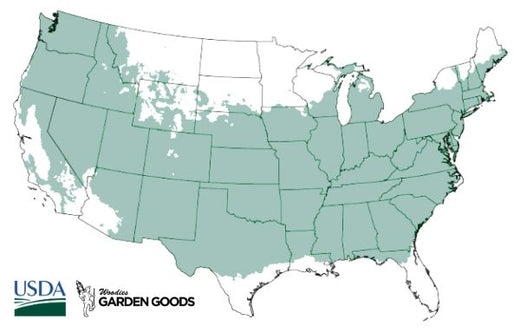
| Hardiness Zone: | 5–8 |
|---|---|
| Mature Height: | 3 to 4 Feet |
| Mature Width: | 3 to 4 Feet |
| Sunlight: | Full sun to part shade |
| Bloom Time / Color | Spring; inconspicuous |
| Soil Condition: | Any well-drained soil |
| Water Requirements: | Water well until established |
| Wildlife Value | Modest; spring flowers may support early pollinators |
| Resistance (deer/disease/drought/etc.) | Deer resistant; strong resilience to boxwood blight and leafminer in trials |
| Landscape Uses | Medium hedge, specimen shrubs, border, foundation plant, container garden |
How to Care for NewGen Independence® Boxwood
Be sure to read our planting instructions to ensure a healthy and happy NewGen Independence® Boxwood plant for years to come!

How should I plant NewGen Independence® Boxwood?
Choose a site with well-drained soil in full sun to partial shade. Dig a hole about twice as wide as the root ball and just as deep, then set the plant so the top of the root ball sits level with (or slightly above) the surrounding soil. Backfill with native soil, firm gently, and water deeply to settle the roots and remove air pockets. Finish with a 2–3-inch mulch ring around the root zone, keeping the mulch a few inches away from the stems. If you’re planting a hedge, measure and mark spacing before digging so the line stays straight and the shrubs fill evenly as they mature.

How often should I water NewGen Independence® Boxwood after planting?
Water thoroughly right after planting, then water deeply about once per week during the first growing season so moisture reaches roughly 6–8 inches into the soil. During hot or dry periods, increase watering to twice per week to prevent the root ball from drying out. Water at the base of the plant, avoiding wetting the foliage. Once established, NewGen Independence® becomes more drought-tolerant, but it still performs best with occasional deep watering during extended dry spells. Check soil a few inches down—if it feels dry, it’s time to water—and keep mulch refreshed to reduce moisture swings.

When should I fertilize NewGen Independence® Boxwood?
Fertilize in early spring, just before new growth begins, with a balanced, slow-release shrub or evergreen fertilizer. Apply around the root zone (not against the stems) and water it in well so nutrients move into the soil where roots can access them. If plants are growing in lean soil or you want a little extra density, a lighter mid-summer feeding can help—just avoid heavy late-season fertilizing. Late feeding can push tender growth too close to winter, increasing stress.

When and how should I prune NewGen Independence® Boxwood?
Prune lightly in late winter or early spring before strong new growth begins. Start by removing any dead, damaged, or crossing branches, then shape the outer edges to maintain a compact, rounded form. Avoid cutting back more than about one-third of the plant at a time to prevent stress. For formal hedges or topiary, a light in-season touch-up can keep lines crisp, but avoid heavy pruning in late fall. Occasional interior thinning improves airflow and light penetration, supporting healthier foliage and reducing disease pressure over time.
ALT-TEXT SET (4 ITEMS, 120–140 CHAR EACH)