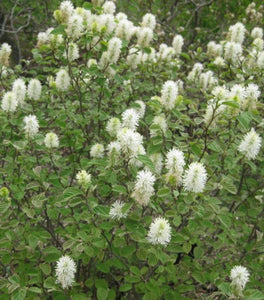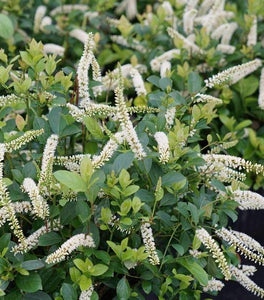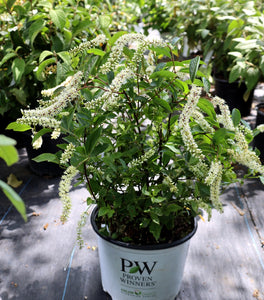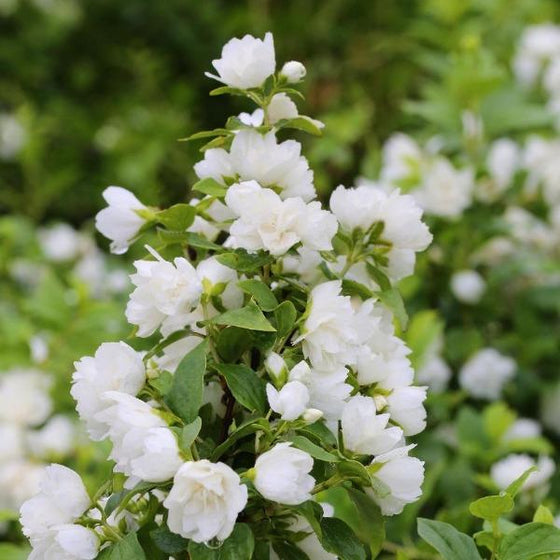
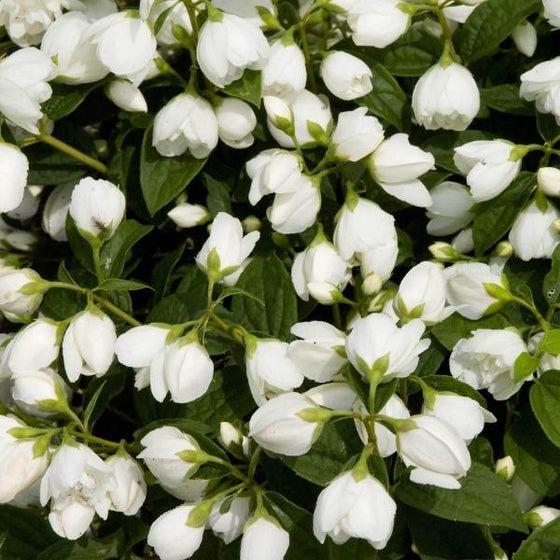


Images Depict Mature Plants
Snowbelle Mock Orange
Philadelphius 'snowbelle'
Snowbelle Mock Orange is one of those shrubs that reminds people why fragrant flowering plants still matter so much in the garden. I like it because the double white blooms feel clean and classic, the citrusy fragrance is strong enough to truly notice, and the compact size makes it easy to use where homeowners will enjoy it most. Near a patio, along a path, or tucked into a mixed border, this is a shrub that brings real charm without asking for a huge amount of space.

15% OFF WITH CODE PLANTING15
Save 15% Off Your Entire Order! Limited time.
📦 Free shipping on orders over $99.
Delay shipping by leaving us a message at Checkout.
Share:



Fragrant Double White Blooms for Small Gardens and Sunny Patios
Double white flowers that fill the garden with fragrance
Snowbelle Mock Orange is grown for one of the most appealing combinations a flowering shrub can offer: crisp white blooms and a sweet citrus-orange blossom fragrance. In late spring to early summer, the plant becomes covered in clusters of double white flowers that look bright, clean, and classic against the green foliage. The floral display has a timeless quality that works beautifully in cottage gardens, foundation beds, and mixed shrub borders where a fresh white bloom can lift the whole planting.
That bloom show becomes even more special when the fragrance begins to carry through the garden. This is the kind of shrub that adds more than color alone. It brings a sensory quality that makes patios, walkways, porches, and seating areas feel more inviting. Homeowners who want a plant they can truly enjoy up close often find Snowbelle especially rewarding because it offers both visual beauty and a memorable spring scent.
Compact size that fits smaller landscapes beautifully
One of the biggest reasons to choose Snowbelle is its manageable mature size. It typically grows to about 3 to 4 feet tall and wide, making it much easier to use in smaller gardens, front foundation beds, and patio-adjacent plantings than older, larger mock orange varieties. It gives gardeners the classic mock orange experience without demanding a large footprint or turning into an oversized shrub that quickly overwhelms the space.
That compact habit also makes it a flexible design plant. Snowbelle can be used as a specimen in a small bed, repeated in a fragrant border, or planted in a loose, low hedge where homeowners want seasonal bloom and softness without bulk. Its size keeps it easy to work with, which is especially valuable in today’s smaller residential landscapes where every shrub needs to earn its space.
A versatile flowering shrub for borders, hedges, and containers
Snowbelle works beautifully in mixed borders, fragrant gardens, cottage-style plantings, and white-themed landscape designs. The dark green foliage provides a strong backdrop for the flowers, while the upright, multi-stemmed habit helps the shrub maintain a tidy, attractive look even after bloom season ends. It combines especially well with roses, salvias, lavender, nepeta, and evergreen shrubs that can carry the bed visually after the main flush of flowers has passed.
It can also perform well in large containers, which makes it especially useful near patios, porches, and entryways where the fragrance can be enjoyed more directly. In a container, Snowbelle becomes a refined spring focal point that still feels easy and natural rather than overly formal. That container value adds real flexibility for homeowners who want fragrant blooms even when garden space is limited.
Easy-care performance with simple pruning timing
Snowbelle Mock Orange performs best in full sun to part shade, with the strongest flowering and fragrance usually coming from brighter exposure. It prefers well-drained soil and appreciates regular moisture while establishing, but once settled in it becomes a fairly durable, low-maintenance shrub. It adapts well to average garden conditions as long as drainage is decent and the site is not consistently wet.
The main maintenance point to remember is the timing of pruning. Because Snowbelle blooms on old wood, any shaping or thinning should be done right after flowering rather than in late winter or early spring. That simple adjustment helps preserve the next season’s flower buds. Beyond that, the shrub asks for very little, making it a strong choice for homeowners who want fragrance, beauty, and manageable long-term care.
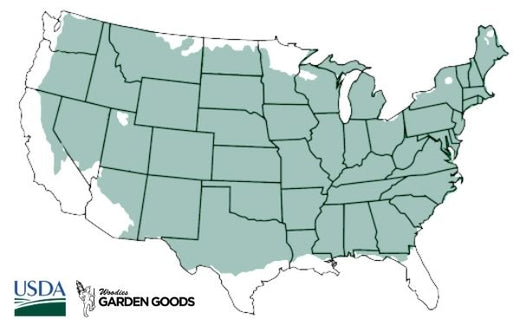
| Hardiness Zone: | 4-8 |
|---|---|
| Mature Height: | 3 to 4 Feet |
| Mature Width: | 3 to 4 Feet |
| Sunlight: | Full sun to part shade |
| Bloom Time / Color | Late spring to early summer / double white |
| Soil Condition: | Average to moist, well-drained soil |
| Water Requirements: | Regular water during establishment; average moisture once established |
| Wildlife Value | Attracts pollinators and adds seasonal shelter in mixed plantings |
| Resistance (deer/disease/drought/etc.) | Deer resistant, easy care, somewhat drought tolerant once established |
| Landscape Uses | Borders, foundation beds, fragrant gardens, informal hedges, patio containers, walkway plantings |
How to Care for Snowbelle Mock Orange
Be sure to read our planting instructions to ensure a healthy and happy Snowbelle Mock Orange plant for years to come!
-v1773839948394.png?92x91)
How should I plant Snowbelle Mock Orange?
Plant Snowbelle Mock Orange in full sun to part shade in well-drained soil, setting the top of the root ball level with the surrounding grade. Dig a hole two to three times wider than the root ball and no deeper than the root ball itself, then backfill with the native soil so the roots can establish naturally into the surrounding area. Water thoroughly after planting and add a light mulch layer around the base to help conserve moisture and suppress weeds, keeping mulch away from direct contact with the stems. Give the plant enough room to mature into its natural rounded shape so the flowering display and fragrance can be appreciated without crowding from nearby shrubs.
-v1773839976377.png?89x84)
How often should I water Snowbelle Mock Orange after planting?
Water Snowbelle Mock Orange deeply and regularly during the first growing season so it can establish a strong root system. In most landscapes, that means watering once or twice a week depending on rainfall, soil type, and temperature, with the goal of keeping the soil evenly moist but not waterlogged. After establishment, the shrub usually needs only average supplemental watering, with extra attention during prolonged dry spells. Deep watering is more helpful than frequent shallow irrigation because it encourages stronger roots and supports better long-term flowering and overall plant health.
-v1773840005813.png?90x89)
When should I fertilize Snowbelle Mock Orange?
Fertilize Snowbelle Mock Orange lightly in early spring if needed, just as new growth begins. A balanced slow-release shrub fertilizer or a modest topdressing of compost is usually enough to support healthy foliage and strong flowering without pushing excessive soft growth. Heavy feeding is generally unnecessary for this shrub. In many garden soils, a restrained approach works best because it supports steady growth and bloom without encouraging overly lush growth that can reduce flower production or make the plant more difficult to shape.

When and how should I prune Snowbelle Mock Orange?
Prune Snowbelle Mock Orange right after it finishes flowering, since it blooms on older wood. Remove spent flowering stems, thin out any crowded interior branches, and shape lightly as needed to preserve the shrub’s neat rounded habit. Avoid heavy late-winter pruning if you want the best bloom display, because that can remove flower buds formed for the coming season. The best long-term approach is simple: enjoy the spring bloom, then do any cleanup or shaping immediately afterward while the plant still has time to set buds for next year.