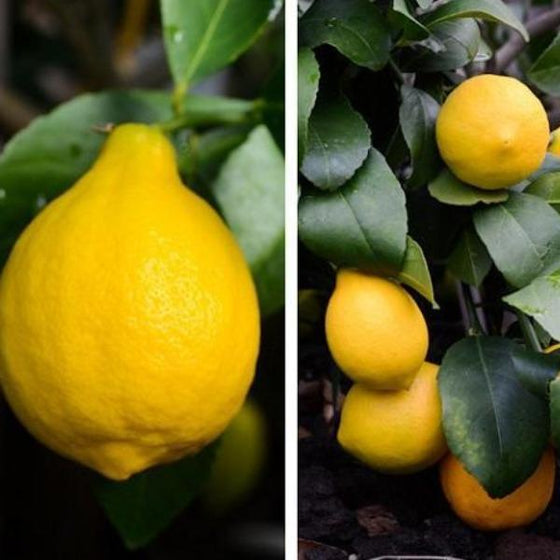


Images Depicted Range in Maturity & Container Size
Pots & Decorations Not Included Unless Otherwise Stated
Meyer Lemon Tree
Citrus limon 'Improved Meyer'
Woodie’s Take: Meyer Lemon Tree is one of those plants that gives you fragrance, fruit, and real visual charm in the same package. The glossy foliage looks great in a pot, the flowers make the whole plant feel special, and the edible payoff gives it a usefulness that most ornamental plants simply do not have. If you have the sun to support it, this is a fantastic choice for plant lovers who want a potted citrus tree with character, productivity, and year-round appeal.

15% OFF WITH CODE PLANTING15
Save 15% Off Your Entire Order! Limited time.
📦 Free shipping on orders over $99.
Share:Recommended Add-Ons


Meyer Lemon Tree for Sunny Patios and Bright Indoor Spaces
Glossy Evergreen Foliage, Fragrant Blooms, and Homegrown Citrus Appeal
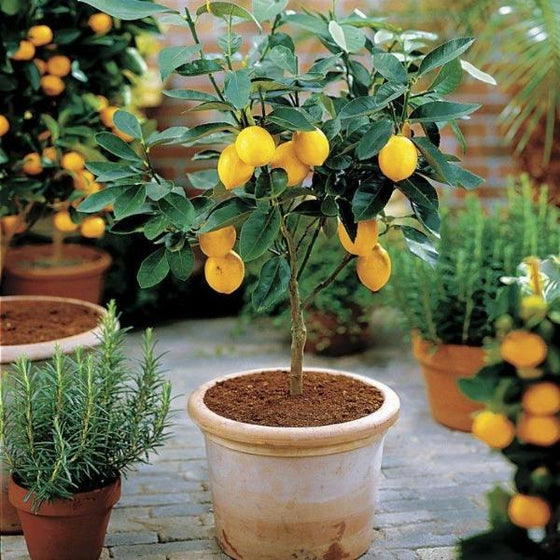
Meyer Lemon Tree brings together beauty and utility in a way few container plants can match. The glossy green foliage stays attractive year-round, the white blossoms are sweetly fragrant, and the fruit adds a bright, homegrown reward that makes the plant feel even more special. Even when it is not holding lemons, this tree has real ornamental value because the leaves, branching structure, and flower buds give it a polished Mediterranean-citrus look that works beautifully on patios, porches, and in bright sunrooms. It feels fresh, lively, and full of character in a way that goes beyond a standard foliage plant.
That combination of ornamental beauty and edible potential is a big reason Meyer lemon remains so popular. The fruit is typically sweeter and less sharply acidic than standard grocery-store lemons, which makes it especially appealing for cooking, drinks, and everyday kitchen use. For plant lovers who want more than a decorative container tree, Meyer Lemon Tree offers an experience that feels productive as well as beautiful. It is the kind of plant that brings fragrance, seasonal interest, and a strong sense of satisfaction when grown in the right setting.
A Container Citrus Tree That Brings Patio Style Indoors for Winter
Meyer Lemon Tree is especially valuable because it adapts well to container growing. In warm weather, it can serve as a sunny patio centerpiece, framing outdoor seating areas, entryways, and terraces with evergreen structure and edible appeal. The tree has enough presence to feel substantial in a decorative pot, yet it stays manageable enough for many homeowners to move or reposition as needed. That makes it an excellent fit for people who want the look and benefit of a citrus tree without committing to in-ground planting.
In colder regions, this plant is often best treated as a seasonal outdoor container tree that moves indoors before frost. That indoor transition works best in the brightest possible location, ideally near a south- or west-facing window, in a sunroom, or in another high-light space. While it can be kept indoors during winter, it should not be considered a low-light houseplant. This tree truly performs best when it can enjoy strong sun outside during the growing season and then spend colder months protected in a bright indoor setting. For homeowners with a sunny patio and a bright winter space, Meyer Lemon Tree offers a flexible and highly rewarding growing option.
Best Results Come From Full Sun, Careful Watering, and Steady Feeding
Meyer Lemon Tree is relatively straightforward to grow when its main needs are respected. The most important factor is light. This tree wants full sun and performs best with long hours of strong direct light, especially when grown in a container. Without enough light, growth becomes weaker, flowering can be reduced, and fruiting may become unreliable. If there is one thing that determines success most clearly with Meyer lemons, it is whether the tree gets the sunlight it needs. That makes placement one of the biggest buying considerations from the start.
Watering and feeding matter just as much once the light is right. Meyer lemons do best when watered deeply and allowed to dry somewhat before the next watering, rather than being kept constantly wet. Containers must drain well, because citrus roots do not like soggy soil. During the active growing season, regular fertilizer helps support flowering, fruiting, and healthy green growth, especially since nutrients wash out of pots more quickly than they do in garden soil. For plant lovers who enjoy a sun-loving container plant with edible payoff, Meyer Lemon Tree offers excellent rewards when given the right balance of sun, drainage, and nutrition.
A Memorable Gift Tree With Real Lifestyle Appeal
Meyer Lemon Tree makes a memorable gift because it feels personal, useful, and beautiful all at once. It works well for housewarmings, anniversaries, birthdays, and holidays, especially for gardeners, cooks, and anyone who enjoys bringing edible plants into their everyday environment. The fragrant flowers alone make it feel special, but the possibility of harvesting lemons adds another layer of excitement and long-term enjoyment. It is the kind of plant that feels generous from the moment it arrives and continues to feel meaningful as it grows.
The main practical considerations are space, light, and pet safety. This is a strong choice for homeowners who have real sun to offer and are comfortable moving a potted citrus tree indoors for winter when needed. Citrus foliage, peel, and plant material are not considered pet-safe, so placement should be chosen carefully in households with curious cats or dogs. When matched with the right environment, Meyer Lemon Tree brings fragrance, fruit, evergreen beauty, and year-round character in a way that few container trees can.

| Hardiness Zone: | 8-11 |
|---|---|
| Mature Height: | 4 to 8 Feet in Containers |
| Mature Width: | 3 to 5 Feet Wide in Containers |
| Sunlight: | Full sun; best performance comes with 8 or more hours of strong light |
| Water Requirements: | Water deeply, then allow the top portion of the soil to dry somewhat before watering again |
| Humidity | Average to moderate humidity is usually acceptable; avoid overly dry, stagnant indoor air |
| Soil | Well-draining citrus or container mix with excellent drainage |
| Foliage Color / Texture | Glossy deep green leaves with a smooth, clean citrus texture |
| Pet Safety | Not pet-safe, Citrus foliage, peel, and plant material can be toxic or irritating if chewed or ingested by pets |
| Best Uses Indoors | Bright winter room, sunroom, greenhouse, seasonal indoor overwintering, sunny decorative container |
| Notes | Self-pollinating; fruiting is best with strong sun, regular feeding, and mature growth |
How to Care for Meyer Lemon Tree
aBe sure to read about the recommended care instructions to keep your Meyer Lemon Tree healthy and thriving!

How should I pot Meyer Lemon Tree?
Pot Meyer Lemon Tree in a sturdy container with excellent drainage and use a well-draining citrus or container mix that does not stay heavy and wet for long. Choose a pot only a few inches wider than the current root ball so the tree can establish evenly without sitting in excess soggy soil. After potting, keep the tree at the same planting depth it had before and water thoroughly so the mix settles around the roots. Place it immediately in the sunniest location available, because strong light is just as important as proper potting for long-term success in a container.
-v1776257761736.png?89x84)
How often should I water Meyer Lemon Tree?
Water Meyer Lemon Tree deeply, then allow the upper portion of the potting mix to dry somewhat before watering again. The exact timing depends on sun, temperature, wind, and pot size, but citrus generally performs better with a soak-and-dry rhythm than with constantly wet soil. During hot outdoor weather, container-grown trees may need more frequent checks, while overwintering trees indoors usually dry more slowly. The best approach is to monitor the soil directly and avoid watering on a fixed schedule that keeps the roots too damp.
-v1776257782987.png?90x89)
When should I fertilize Meyer Lemon Tree?
Fertilize Meyer Lemon Tree during active growth in spring and summer, when it is producing new leaves, flowers, and fruit. A citrus fertilizer or balanced fertilizer appropriate for container-grown citrus is usually the best choice, especially because nutrients leach out of pots faster than they do in the ground. Reduce feeding in fall and winter when indoor light is lower and growth slows. Steady, moderate fertilizing is usually more effective than heavy applications, which can build up salts and stress the roots in a container.

When and how should I prune Meyer Lemon Tree?
Prune Meyer Lemon Tree in late winter, early spring, or after harvest to maintain shape, remove dead wood, and control size for container culture. Light shaping is often all that is needed, especially if you want the tree to stay balanced and manageable for patios or indoor overwintering. Use clean, sharp pruners and remove crowded, weak, or crossing shoots to improve structure and airflow through the canopy. Avoid over-pruning in one session, because the goal is usually to keep the tree attractive, healthy, and productive rather than push excessive new growth.