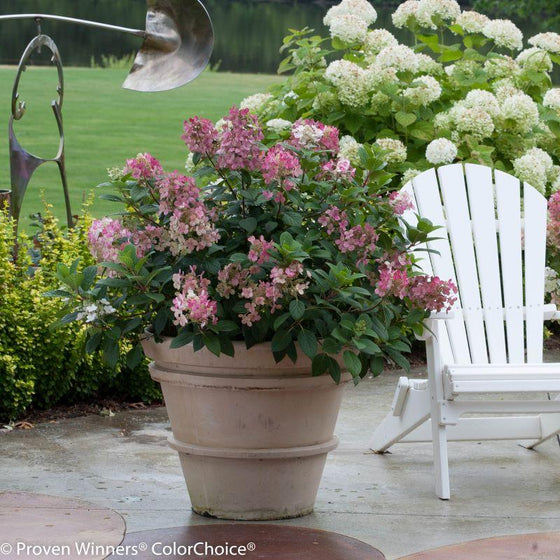


Images Depict Mature Plants
Little Quick Fire® Hydrangea
Hydrangea paniculata 'SMHPLQF' PP25136, CBR#5406
Little Quick Fire® is the one I point to when someone says, “I want panicle hydrangea blooms, but I don’t want a shrub that takes over.” It stays nicely sized, blooms early, and the flowers keep evolving—crisp white, then that pink-red glow that feels like summer getting richer by the week. Give it good light, steady moisture while it’s getting established, and a simple early-spring prune, and it’ll perform like a pro without asking for much.

Take 15% OFF SITEWIDE
Use Coupon Code: MADNESS15
📦 Free shipping on orders over $99.
Delay shipping by leaving us a message at Checkout.
Share:



Little Quick Fire® Hydrangea for Early Panicle Blooms, Compact Size, and White-to-Pink Summer Color
Early Blooms That Start White And Finish Pink-Red
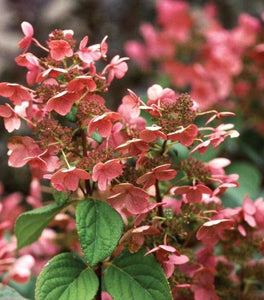
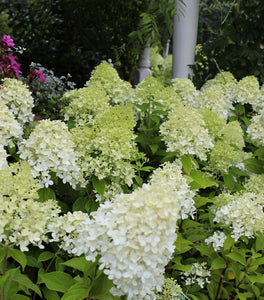
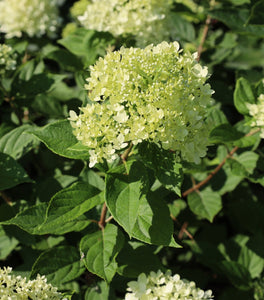
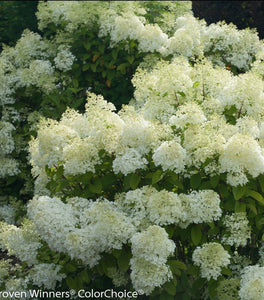
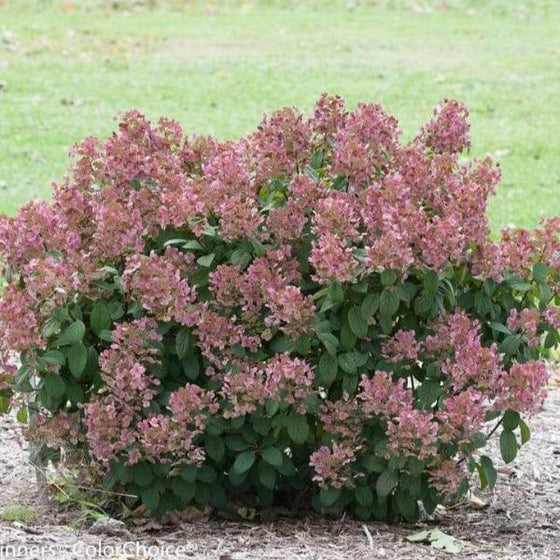
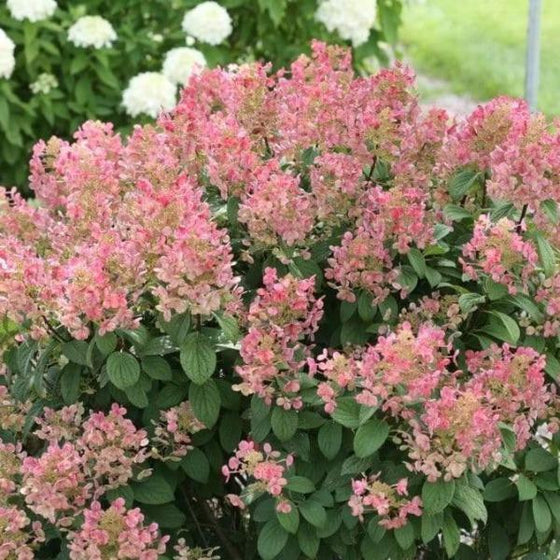
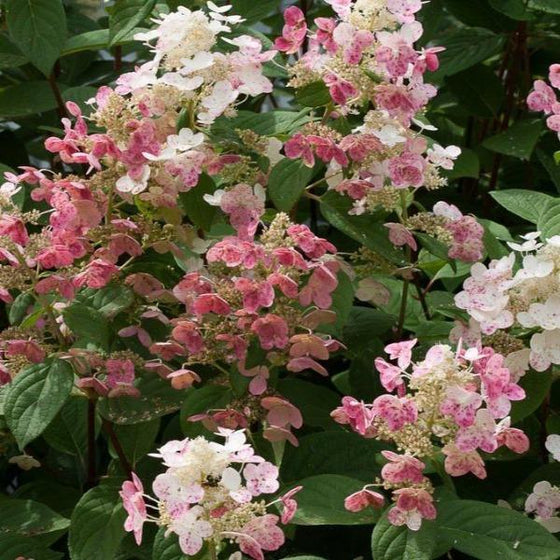
Little Quick Fire® is the panicle hydrangea for gardeners who want color sooner. The cone-shaped blooms arrive early in the season, opening a clean, creamy white and then gradually blushing pink as summer rolls on. As the panicles mature, the tones often deepen to a richer rosy pink-red, giving you that “changing color” look that keeps the plant interesting for weeks rather than days.
Because it blooms early and holds its flowers for a long stretch, it’s an easy way to extend hydrangea season in the landscape. Plant it where you’ll see it from the patio or the kitchen window, or use it to kick off summer color in a front-yard bed before other shrubs hit their peak. The blooms also make excellent cut flowers—fresh white early, then more colorful later—so you can enjoy the show indoors without losing the impact outdoors.
Compact Habit With Big-Scene Presence In Small Spaces
If you love the look of panicle hydrangeas but don’t have room for a full-size shrub, Little Quick Fire® is the sweet spot. It typically matures around 3 to 5 feet tall and about 3 to 5 feet wide, forming a dense, upright plant that reads as full and intentional without swallowing the bed. That size makes it ideal for foundation plantings, walkway borders, and mixed shrub lines where you want height and bloom power without a bulky footprint.
The compact habit also makes it easy to repeat. Use one as a focal point, or plant several for a low flowering hedge that feels lush and “designed.” It pairs beautifully with evergreens, ornamental grasses, and summer perennials—giving your planting structure in spring and a big color moment when summer arrives. For gardeners who want dramatic hydrangea blooms in a more manageable shrub, this one delivers.
Sun-Friendly Performance With Straightforward, Repeatable Care
As a panicle hydrangea, Little Quick Fire® is far more sun-tolerant than many bigleaf hydrangeas. Full sun to part shade works well, and in many regions, brighter light helps produce stronger stems and better bloom density. In hotter climates, a bit of afternoon shade can help the plant look fresher through heat waves, but it still performs best with plenty of light and consistent moisture.
Plant it in well-drained soil and focus on steady watering during the first season while roots establish. A 2–3-inch mulch layer helps stabilize moisture and protect roots from temperature swings, supporting healthier foliage and fuller panicles. Once established, it’s a tough, reliable bloomer—but like most hydrangeas, it looks best (and flowers best) when it doesn’t dry out for long stretches. Deep watering during dry spells is the simplest way to keep blooms big and color-rich.
Pruning And Spacing That Keep Stems Strong And Blooms Abundant
Little Quick Fire® blooms on new wood, meaning it flowers on the current season’s growth. That makes pruning easy and forgiving: prune in late winter or early spring to shape the plant and encourage strong new shoots, and you’ll still get flowers the same year. A light-to-moderate prune also helps keep the shrub compact and improves the look of the panicles by supporting sturdier flowering stems.
Spacing is the other key to long-term success. Plant shrubs about 3 to 5 feet apart (center to center), depending on whether you want a faster “filled-in” look or more breathing room between plants. Proper spacing improves airflow, helps foliage dry faster after rain, and reduces stress that can lead to thinner bloom performance over time. Give it room, prune at the right time, and you’ll get a healthier shrub and a stronger flower show year after year.
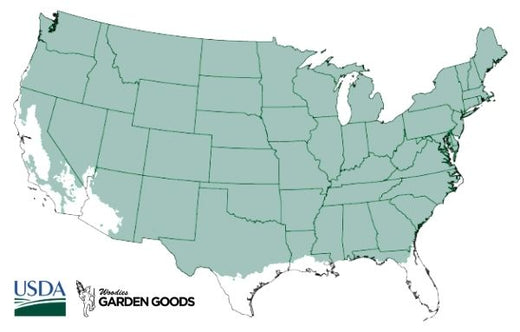
| Hardiness Zone: | 3-8 |
|---|---|
| Mature Height: | 3 to 5 feet |
| Mature Width: | 3 to 5 feet |
| Sunlight: | Full sun to part shade |
| Bloom Time / Color | Early summer through summer; white panicles aging pink to pink-red |
| Pruning Season: | Late winter to early spring, promotes increased branching and more flowers. Flowers on new growth |
| Soil Condition: | Moist, well-drained soil; adaptable once established |
| Water Requirements: | Medium; consistent moisture while establishing |
| Wildlife Value | Can support pollinator presence during bloom |
| Resistance | Not reliably deer resistant; moderate drought tolerance once established; blooms on new wood |
| Landscape Uses | Foundation beds, borders, low hedge, specimen shrub, containers, cut and dried flowers |
How to Care for Little Quick Fire® Hydrangea
Be sure to read our planting instructions to ensure a healthy and happy Little Quick Fire® Hydrangea plant for years to come!
-v1770748029493.png?92x91)
How should I plant Little Quick Fire® Hydrangea?
Plant Little Quick Fire® in full sun to part shade in well-drained soil. Dig a hole about twice as wide as the root ball and set the shrub so the top of the root ball is level with the surrounding soil. Backfill with native soil (amend with compost if your soil is very sandy or heavy), then water deeply to settle the soil and remove air pockets. Finish with 2–3 inches of mulch over the root zone, keeping mulch a few inches away from the stems. Mulch helps retain moisture and keeps roots cooler in summer, which supports stronger growth and better flowering. If you’re planting multiple shrubs, plan spacing so each plant can reach mature width without crowding.
-v1770748055089.png?89x84)
How often should I water Little Quick Fire® Hydrangea after planting?
Water deeply right after planting, then keep the soil evenly moist for the first several weeks. A good baseline is one to two deep waterings per week, adjusting for rainfall, heat, wind, and soil drainage. Consistent moisture during establishment helps roots expand, which leads to a fuller shrub and better bloom performance. After the first season, water during prolonged dry spells and hot stretches, especially in sunnier sites. Panicle hydrangeas are resilient, but they bloom best when they aren’t drought-stressed. Water at the base of the plant to keep foliage drier and encourage deeper rooting.
-v1770748071932.png?90x89)
When should I fertilize Little Quick Fire® Hydrangea?
Fertilize in spring as new growth begins using a balanced, slow-release shrub fertilizer, or top-dress with compost for gentle feeding. Apply over the root zone (not against the stems) and water afterward so nutrients move into the soil. Avoid heavy feeding, which can push leafy growth without improving flowers. If your soil is lean, a light second feeding in early summer can support strong flowering and healthy growth. Skip late-season fertilizing so the shrub can slow down naturally and harden off before fall. A steady routine of mulch, moderate feeding, and deep watering during dry spells is the simplest path to better panicles.

When and how should I prune Little Quick Fire® Hydrangea?
Prune Little Quick Fire® in late winter or early spring, before vigorous new growth begins. Because it blooms on new wood, spring pruning will not remove the season’s flowers. Start by removing dead or damaged stems, then shape the shrub to maintain a balanced, upright framework. For a tidier plant and strong flowering shoots, reduce last year’s growth by about one-third. If you want a slightly larger shrub with more overall blooms, prune more lightly and focus on cleanup. Avoid late-summer and fall pruning so the plant can harden off naturally before winter.