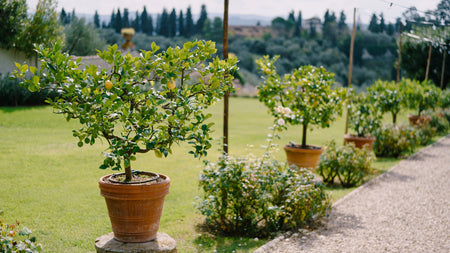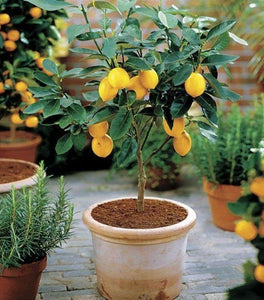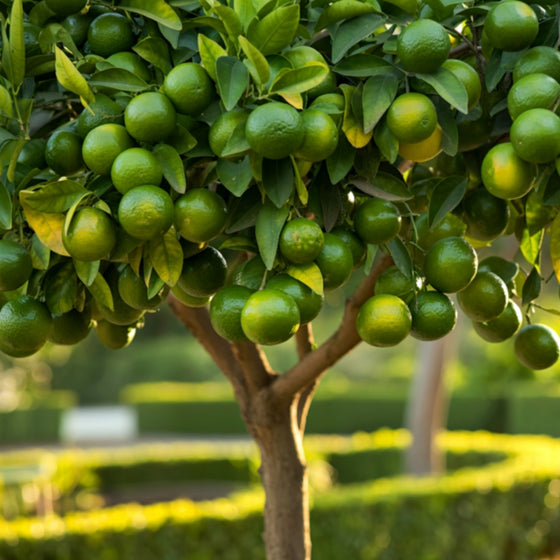


Images Depicted Range in Maturity & Container Size
Pots & Decorations Not Included Unless Otherwise Stated
Key Lime Tree
Citrus aurantifolia
Key Lime Tree is a terrific choice for plant lovers who want more out of a container plant than simple greenery. The glossy foliage looks fresh year-round, the fragrant blooms make the plant feel special, and the edible fruit gives it a usefulness that goes far beyond décor. If you have the sun to support citrus, this is a potted tree that brings tropical character, kitchen-garden value, and a lot of satisfaction over time.

15% OFF WITH CODE PLANTING15
Save 15% Off Your Entire Order! Limited time.
📦 Free shipping on orders over $99.
Share:Recommended Add-Ons


Key Lime Tree for Sunny Patios and Bright Indoor Spaces
Glossy Evergreen Foliage, Fragrant Flowers, and Tangy Fruit Appeal
Key Lime Tree brings together ornamental beauty and edible reward in a way that feels both practical and exciting. The glossy evergreen foliage stays attractive year-round, and when the tree blooms, the white flowers add fragrance that makes the whole plant feel even more special. Then comes the fruit, small, flavorful limes that give this tree a strong kitchen-garden appeal as well as decorative value. Even before harvest, a Key Lime Tree adds a bright, tropical character to a patio, porch, or sunny room that standard foliage plants simply cannot match.
That combination of evergreen structure, fragrant blossoms, and edible fruit is a big reason this citrus tree stands out. It offers more than a leafy plant in a pot. It gives plant lovers a chance to grow something useful, aromatic, and visually appealing at the same time. The foliage remains clean and polished, the fruit adds seasonal interest, and the overall look feels fresh, lively, and full of personality. For homeowners who want a container plant that offers both beauty and purpose, Key Lime Tree checks many boxes.
A Patio Citrus Tree That Can Move Indoors for Winter Protection
Key Lime Tree is especially well-suited to container growing, which makes it a strong option for patios, balconies, decks, and sunny entryways. In warm climates, it can stay outdoors much longer, while in colder regions, it is commonly grown as a potted citrus tree that enjoys the warm season outside and then moves indoors before frost. That flexibility opens the door for more homeowners to enjoy citrus growing, even where winters are far too cold for year-round outdoor culture.
Indoors, this tree should be treated as a bright-light citrus plant rather than a casual houseplant for average rooms. It needs the sunniest possible placement, ideally in a south-facing window, a bright sunroom, an enclosed porch, or another high-light setting. Many plant lovers find it performs best when it can spend late spring through early fall outdoors in strong sun and then come inside only when temperatures require protection. In the right setup, Key Lime Tree becomes a rewarding seasonal container tree with real visual charm and edible payoff.
Strong Sun, Steady Moisture, and Good Drainage Lead to Better Growth
Key Lime Tree performs best when its growing conditions reflect its citrus nature. Light is the first major requirement. This tree requires full sun and does not perform well in shaded areas. Strong direct light supports better structure, healthier foliage, more flowers, and a stronger chance of fruit production. If there is one factor that most clearly separates success from struggle with potted citrus, it is whether the plant is receiving enough sunlight every day.
Watering also matters more than many plant lovers expect. Key lime needs consistent moisture for active growth and fruit support, but it still must never sit in soggy soil. The best approach is usually deep watering followed by some drying at the surface before the next watering, making sure excess moisture drains completely. A fast-draining container mix and a pot with drainage are essential. During active growth, steady fertilizing also helps maintain strong foliage, better flowering, and productive fruiting. For plant lovers who can provide sun and a thoughtful watering routine, Key Lime Tree offers excellent long-term reward.
A Memorable Gift Tree With Real Kitchen and Patio Value
Key Lime Tree makes a memorable gift because it feels useful, beautiful, and a little unexpected in the best way. It works well for birthdays, housewarmings, holidays, and anyone who loves cooking, outdoor living, or edible gardening. The fragrant flowers give it a special quality even before the fruit arrives, and the promise of homegrown limes makes the whole experience feel more personal than that of a standard decorative plant. It is the kind of gift that keeps developing over time and becomes part of the home rather than just an accent piece.
The main practical considerations are light, seasonal placement, and pet safety. This is a strong choice for homeowners who can offer full sun and are comfortable moving a potted citrus tree indoors when winter arrives. It is not considered pet-safe, so households with curious dogs or cats should handle it with care. When matched with the right environment, Key Lime Tree brings tropical evergreen beauty, fragrant bloom, and edible harvest potential in one rewarding container plant.
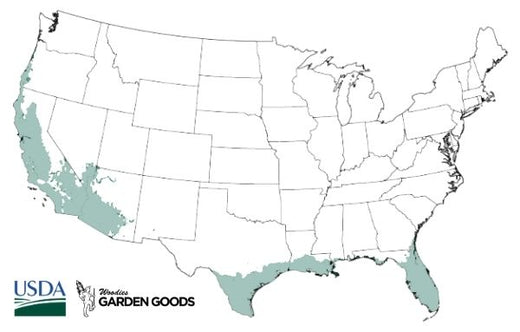
| Hardiness Zone: | 9-11 |
|---|---|
| Mature Height: | 4 to 8 Feet in Containers |
| Mature Width: | 3 to 5 Feet in Containers |
| Sunlight: | Full sun; best performance comes with 6 to 8+ hours of strong direct light |
| Water Requirements: | Water deeply, then allow the top portion of the soil to dry slightly before watering again; do not let the pot stay soggy |
| Humidity | Average to moderate humidity is usually acceptable; good airflow is helpful |
| Soil | Fast-draining citrus or container mix with excellent drainage |
| Foliage Color / Texture | Glossy medium to deep green leaves with a clean citrus texture |
| Pet Safety | Not pet-safe, Citrus foliage, peel, and plant material can be irritating or toxic if chewed or ingested by pets |
| Best Uses Indoors | Bright winter room, sunroom, greenhouse, seasonal indoor overwintering, sunny decorative container |
| Notes | Self-pollinating; fruiting is best with strong sun, steady care, and mature growth |
How to Care for Key Lime Tree
Be sure to read our planting instructions to ensure a healthy and happy Key Lime Tree for years to come!

How should I pot Key Lime Tree?
Pot Key Lime Tree in a sturdy container with excellent drainage and use a fast-draining citrus or container mix that does not stay heavy and wet for long. Choose a pot only a few inches wider than the current root ball so the tree can establish evenly without sitting in excess soggy soil. After potting, keep the tree at the same planting depth it had before and water thoroughly so the mix settles around the roots. Place it immediately in the sunniest location available, because strong light is just as important as proper potting for long-term success in a container.
-v1776265027202.png?89x84)
How often should I water Key Lime Tree?
Water Key Lime Tree deeply, then allow the upper portion of the potting mix to dry slightly before watering again. The exact timing depends on heat, sun, wind, fruit load, and container size, but this tree usually performs best with even moisture that never turns into soggy soil. During hot outdoor weather, container-grown trees may need more frequent checks, while overwintering trees indoors usually need less frequent watering. The best approach is to monitor the soil directly and avoid a rigid schedule that keeps the roots constantly wet.
-v1776265051724.png?90x89)
When should I fertilize Key Lime Tree?
Fertilize Key Lime Tree during active growth in spring and summer, when it is producing fresh leaves, flowers, and fruit. A citrus fertilizer or balanced fertilizer suitable for container-grown citrus is usually the best choice because nutrients leach out of pots faster than they do in garden soil. Reduce feeding in fall and winter when indoor light is lower and growth slows. A steady, moderate feeding program is usually more effective than heavy applications, which can create salt buildup and unnecessary root stress in a container.

When and how should I prune Key Lime Tree?
Prune Key Lime Tree in late winter, early spring, or after harvest to shape the canopy, remove dead wood, and maintain a manageable size for container growing. Light, regular shaping is often enough to keep the tree balanced and attractive without sacrificing too much flowering or fruiting wood. Use clean, sharp pruners and remove weak, crowded, or crossing shoots to improve airflow and structure. Avoid overly aggressive pruning in one session, because the goal is usually to guide the tree’s shape and health rather than push excessive soft regrowth.