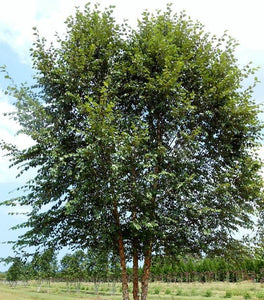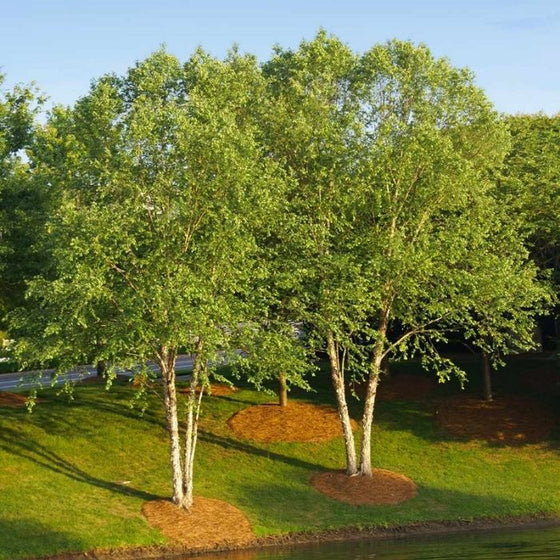



Images Depict Mature Plants
Heritage River Birch
Betula nigra 'Cully' HERITAGE
Heritage River Birch is one of those trees that gives you a lot to love in every season—beautiful peeling bark, fast growth, soft summer shade, and that multi-stem clump form that feels both natural and designed. I especially like it for wetter areas, larger beds, and open spaces where you want a tree with movement and real personality. If you want a deciduous shade tree that looks established quickly and keeps adding interest long after bloom season is over, this one is a terrific choice.

Save Up to 25% On Your Order! Limited Time Only!
Discount Applied Automatically At Checkout
📦 Free shipping on orders over $99.
Delay shipping by leaving us a message at Checkout.
Share:


Fast-Growing Shade Tree With Peeling Bark and Four-Season Interest
Peeling Bark That Gives the Landscape Year-Round Character
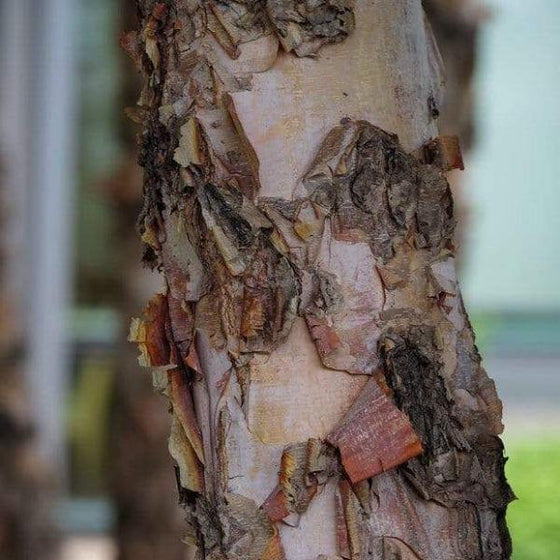
Heritage River Birch stands out for the kind of bark that keeps the landscape interesting long after flowers are gone, and leaves have dropped. Its exfoliating bark peels back in creamy tan, cinnamon, and salmon-toned layers, creating a textured trunk display that adds movement, contrast, and winter beauty. In a clump form, that effect becomes even more dramatic because multiple trunks catch the light from different angles, creating a more sculptural presence in the garden.
That bark character makes this tree a smart choice for shoppers who want more than summer shade. Heritage River Birch earns its place in the landscape in every season, whether it is planted near a patio, used as a focal point in a front-yard island, or positioned where low winter sun can highlight its bark. Night lighting also plays beautifully across the trunks, giving this tree an ornamental value that many shade trees simply do not deliver once the growing season ends.
Fast Growth and Graceful Form for Bigger Landscape Impact
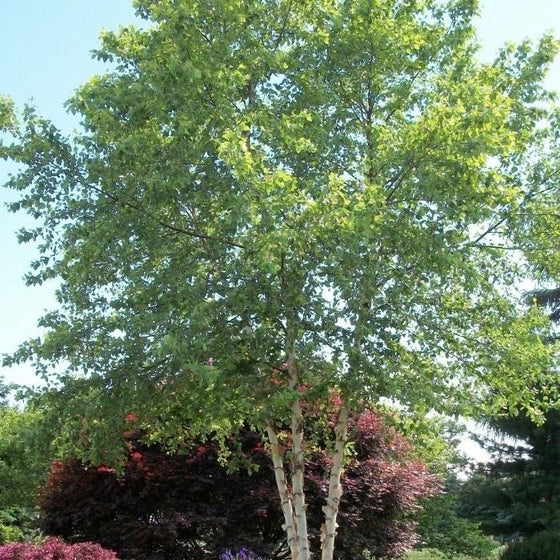
If you want a tree that makes an impression without taking decades to get there, Heritage River Birch is an excellent fit. It is known for a fast growth rate, upright vigor, and a canopy that feels airy rather than heavy. The clump form adds a more natural, layered look than a single trunk tree, giving landscapes a softer, more established appearance from the start. That makes it especially appealing in designs where movement, texture, and a less formal structure matter.
Its branching habit also creates light shade instead of a dense, oppressive canopy, so it works well near lawns, understory plantings, and mixed beds where you still want some filtered light reaching the ground. This is the kind of tree that can anchor a larger planting area while still letting companion shrubs and perennials contribute. For homeowners looking to add size, texture, and seasonal interest in a single purchase, Heritage River Birch offers a strong return on visual impact.
A Smart Tree for Wet Soils, Rain Gardens, and Tougher Sites
One of the biggest reasons gardeners choose Heritage River Birch is its adaptability. This tree is especially valuable in areas where the soil stays wetter than average, including low-lying spots, swales, rain garden edges, and places near downspouts or ponds. While many ornamental trees struggle in those conditions, Heritage River Birch is well known for handling moist soil with ease. That flexibility opens up planting opportunities in parts of the yard that can otherwise be frustrating to design.
At the same time, it is not limited to soggy ground. Once established, it can adapt to more typical landscape conditions as long as the soil does not stay excessively dry for long periods. That wider tolerance makes it useful in diverse landscape plans where moisture levels vary. Shoppers who need a fast-growing deciduous tree that balances beauty and performance will appreciate how this birch bridges the gap between ornamental appeal and site adaptability.
A Native-Looking Shade Tree With Strong Seasonal Appeal
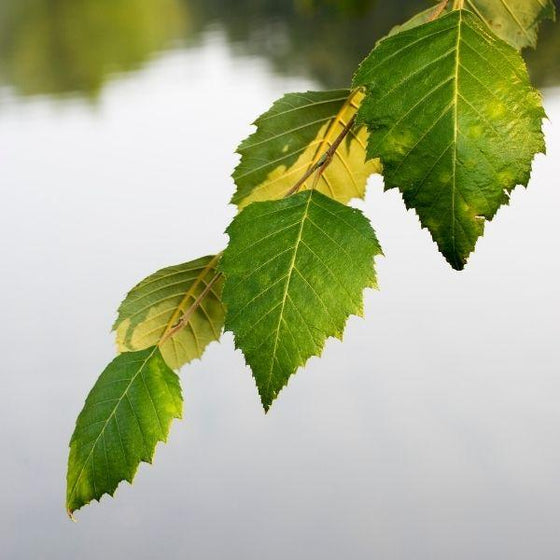
Heritage River Birch brings a graceful, native-looking character to the landscape that feels right at home in woodland edges, naturalized gardens, and more refined residential settings. The medium-green foliage gives the tree a soft, fresh look through the growing season, then turns buttery yellow in fall before the bark takes center stage for winter. That seasonal sequence gives the tree a long window of interest and helps it function as more than just a shade provider.
Because the clump form creates multiple trunks and a broader visual footprint, it works especially well where you want a specimen tree with personality. It has enough presence to serve as a focal point, but its airy branching and smaller leaves keep it from feeling too heavy or coarse. Whether you are shaping a new landscape or filling a large open area with something that feels both ornamental and durable, Heritage River Birch offers a balanced combination of structure, motion, texture, and year-round appeal.

| Hardiness Zone: | 4-9 |
|---|---|
| Mature Height: | 40 to 70 feet |
| Mature width: | 40 to 60 feet |
| Sunlight: | Full sun to part sun |
| Soil Condition: | Moist, well-drained to wet soil; adaptable to clay and varied soils, especially if slightly acidic |
| Water Require: | Moderate to high; prefers consistent moisture, especially while establishing |
| Bloom Time / Color | Spring catkins; ornamental value is primarily bark, foliage, and form |
| Wildlife Value | Provides cover and habitat value; supports birds and beneficial insects |
| Resistance (deer/disease/drought/etc.) | Heat tolerant, adaptable to wet sites, more resistant to bronze birch borer than many birches |
| Landscape Uses | Specimen tree, shade tree, rain gardens, low spots, woodland edges, naturalized areas, larger foundation islands |
How to Care for Heritage River Birch
Be sure to read about the recommended care instructions to keep Heritage River Birch healthy and thriving for years to come!

How should I plant Heritage River Birch?
Plant Heritage River Birch in full sun to part sun in a location with enough room for its mature canopy and root spread. Dig a hole two to three times as wide as the root ball and no deeper than the root ball itself, then set the tree so the top of the root ball sits level with or slightly above the surrounding soil grade. Backfill with native soil, water deeply, and apply mulch over the root zone to help hold moisture and moderate soil temperature. Keep mulch pulled back from the trunks. Because this is a clump-form tree, give it enough visual and physical space to show off the multiple stems and bark. It is especially effective in lawn islands, wetter areas, and open beds where the branching structure can be appreciated from several angles.

How often should I water Heritage River Birch after planting?
Water Heritage River Birch deeply right after planting and keep the soil consistently moist during establishment. In the first growing season, this usually means regular deep watering, especially during hot weather or dry spells, because birches respond best when the root zone does not completely dry out. This tree is more forgiving of wet soil than many landscape trees, but newly planted specimens still need steady moisture to establish deep roots. Check the soil several inches down before watering. If it feels dry, water thoroughly. In sandy soil, warm exposures, or windy sites, you may need to water more often. Once established, the tree is more adaptable, but it still performs best when it is not stressed by prolonged drought.

When should I fertilize Heritage River Birch?
Fertilize Heritage River Birch in early spring if the soil is poor or if the tree needs help maintaining steady growth and healthy foliage color. A balanced, slow-release tree or shrub fertilizer is usually the best choice, especially when applied around the root zone rather than directly against the trunks. Do not overfeed, especially late in the growing season, because that can push tender new growth that is less desirable going into colder weather. In organically rich or reasonably fertile soils, the tree may need little supplemental feeding. Mulch and good watering habits often do as much for birch performance as fertilizer does, especially in the first few years after planting.

When and how should I prune Heritage River Birch?
Prune the Heritage River Birch in late fall or winter, when the tree is dormant. That timing is best for shaping, removing damaged wood, and reducing unnecessary sap flow or seasonal stress. It is also the safest time to clean up crossing branches or lightly refine the clump form. Focus on removing dead, damaged, or rubbing branches and preserving the tree’s graceful natural structure. Avoid heavy topping or aggressive reshaping. With clump-form birches, part of the beauty comes from the layered trunks and airy branching, so pruning should be selective rather than severe. A well-placed thinning cut is usually much better than hard shearing or shortening the canopy.