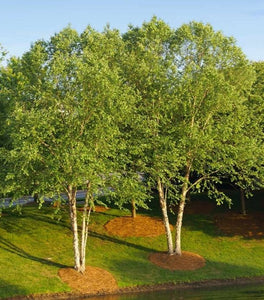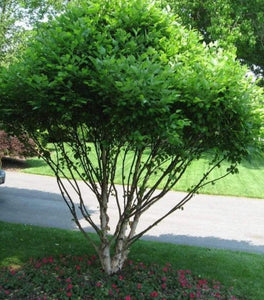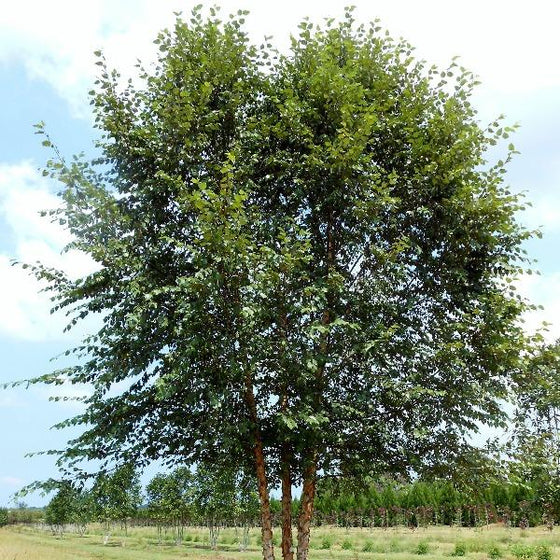
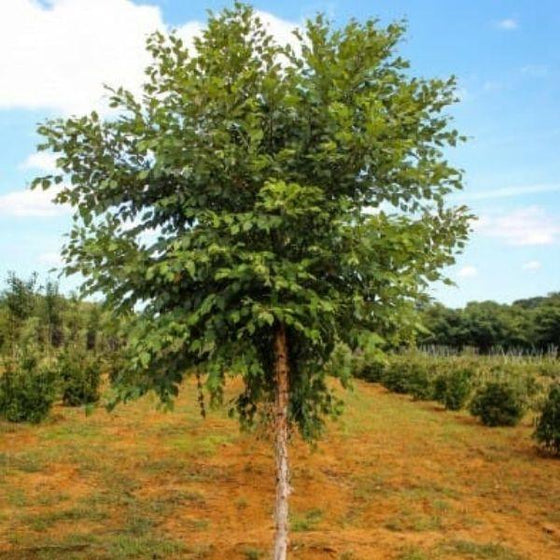


Images Depict Mature Plants
Dura Heat River Birch
Betula nigra 'Dura Heat'
I like Dura Heat River Birch because it offers the classic river birch beauty—peeling bark, quick growth, soft shade, and real four-season interest—but with greater toughness for hotter landscapes. The clump form has a natural, sculptural feel that looks right at home in larger beds, lawn islands, and wetter spots where many trees fall short. If you want a deciduous shade tree that handles heat better, grows fast, and still brings a beautiful bark show in winter, this is an easy one to recommend.

15% OFF SITEWIDE, USE CODE 'FALLPLANT15'
📦 Free shipping on orders over $99.
Delay shipping by leaving us a message at Checkout.
Share:

Heat-Tolerant Birch Tree With Peeling Bark and Fast Shade
Peeling Bark That Brings Four-Season Beauty
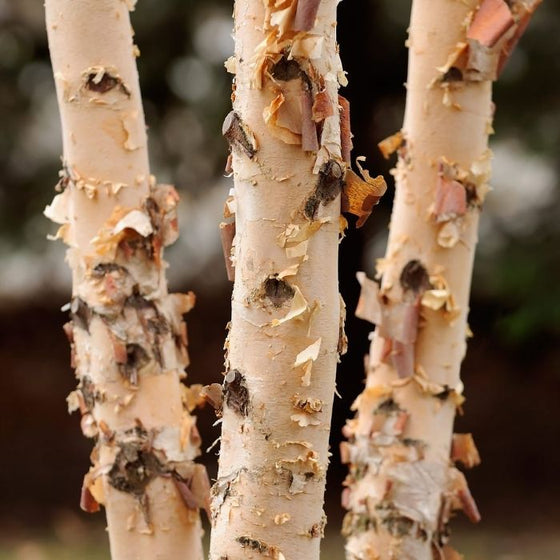
Dura Heat River Birch is the kind of tree that keeps the landscape looking good long after the flowers and annual color have faded. Its exfoliating bark peels back in creamy, tan, cinnamon, and soft salmon tones, creating a layered trunk display that becomes even more striking in the clump form. With multiple stems rising together, this tree has a more sculptural, natural look that adds movement and texture to the garden in every season.
That bark is a major reason gardeners love river birch, but with Dura Heat, you also get a refined, dependable landscape tree that feels at home in both naturalistic and more polished designs. It shines in winter when the trunks become the focal point, and during the growing season, the bark still adds contrast beneath the fresh green canopy. If you want a deciduous tree that offers more than shade alone, this one delivers ornament, texture, and strong seasonal character.
Fast Growth for Shade, Presence, and Landscape Impact
Dura Heat River Birch grows quickly, which makes it a strong choice for homeowners who want results sooner rather than later. Instead of waiting years for a tree to make a meaningful visual contribution, you can add size, filtered shade, and structure to the landscape on a much shorter timeline. The clump form also gives it an established, layered appearance from the start, making new landscapes feel more complete and more intentional.
Its canopy provides light, graceful shade rather than the kind of dense heaviness that can make planting underneath difficult. That makes it useful in larger beds, lawn islands, and open spaces where you want a shade tree that still feels airy. Dura Heat offers enough scale to anchor a landscape plan while maintaining a softer, more natural presence than many formal shade trees. For shoppers who want speed, beauty, and strong ornamental bark in one plant, this variety checks many boxes.
A Better Birch for Hotter, Tougher Growing Conditions
The name says a lot here. Dura Heat River Birch is especially valued for its ability to handle warmer conditions better than many birches, making it an excellent option for gardeners who love the look of birch but need a tree that can stand up to summer heat. It also tolerates moist soil well, so it performs in places where irrigation runoff, low ground, or naturally damp conditions can make other ornamental trees struggle.
That combination of heat tolerance and moisture adaptability makes this tree especially versatile. It can be used at rain garden edges, along pond edges, in larger residential landscapes, or in spots where clay soil and summer heat create real planting challenges. Once established, it also shows better toughness than many shoppers expect from a birch. If you need a fast-growing deciduous tree that brings beauty to tougher sites, Dura Heat offers both visual appeal and practical resilience.
A Clump-Form Specimen Tree With Strong Seasonal Appeal
Dura Heat River Birch is especially effective when treated as a specimen. The clump form creates a broader, more layered silhouette than a single-trunk tree, which gives it a more natural, multi-dimensional presence in the landscape. That makes it a great fit for front-yard islands, side-yard transitions, larger foundation beds, and woodland-inspired designs where texture and movement matter just as much as height.
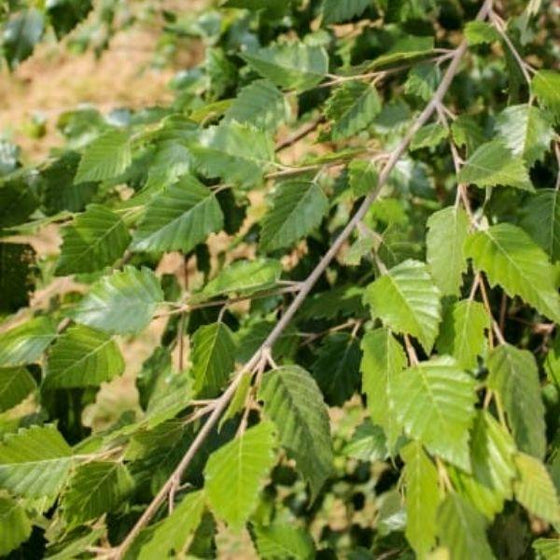
Season after season, it holds attention in a different way. Spring and summer bring glossy green foliage and soft shade. Fall adds warm yellow leaf color. Winter strips the canopy down and lets the peeling bark take over the show. Because it is somewhat more compact than many larger river birch selections, it can fit more easily into residential spaces while still delivering the impressive bark, speed, and structure that make birches so desirable in the first place.
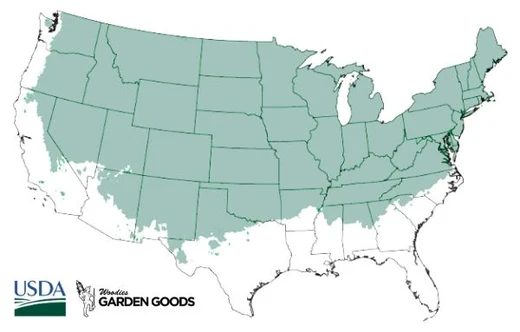
| Hardiness Zone: | 3-7 |
|---|---|
| Mature Height: | 30 to 40 feet |
| Mature Width: | 25 to 35 feet |
| Sunlight: | Full sun to part sun |
| Bloom Time / Color | Spring catkins; ornamental value is primarily bark, foliage, and form |
| Soil Condition: | Moist, well-drained to wet soil; adaptable to clay, loam, and slightly acidic soils |
| Water Requirements: | Moderate to high; prefers consistent moisture, especially during establishment |
| Wildlife Value | Provides cover, habitat structure, and ecological value in mixed landscapes |
| Resistance (deer/disease/drought/etc.) | Heat tolerant, adaptable to wet sites, more resistant to bronze birch borer than many birches, tolerates some drought once established |
| Landscape Uses | Specimen tree, shade tree, rain gardens, low spots, naturalized areas, lawn islands, larger beds |
How to Care for Dura Heat River Birch
Be sure to read our planting instructions to ensure a healthy and happy Dura Heat Birch Trees for years to come!

How should I plant Dura Heat River Birch?
Plant Dura Heat River Birch in full sun to part sun in a location with enough room for its mature canopy and the visual spread of its clump form. Dig a hole two to three times as wide as the root ball and no deeper than the root ball itself, then position the tree so the top of the root ball sits level with or slightly above the surrounding soil. Backfill with native soil, water thoroughly, and apply mulch over the root zone to help hold moisture and keep the soil cooler. Keep mulch away from the trunks. This tree performs beautifully in open planting beds, lawn islands, and moisture-retentive sites where the multiple stems and peeling bark can be seen clearly. Give it enough room to show off its natural form rather than crowding it into a tight corner.

How often should I water Dura Heat River Birch after planting?
Water Dura Heat River Birch deeply right after planting and keep the soil evenly moist during the establishment period. In the first growing season, this usually means regular deep watering, especially in hot weather, dry spells, or windy sites where moisture is lost more quickly. Even though this variety handles heat better than many birches, newly planted trees still need dependable moisture to root in well. Check the soil several inches down before watering. If it feels dry, water thoroughly. Once established, Dura Heat is more tolerant of challenging summer conditions than many other birches, but it will still look and perform best when prolonged drought is avoided.

When should I fertilize Dura Heat River Birch?
Fertilize Dura Heat River Birch in early spring if needed, especially in poorer soils or where the tree needs a boost in vigor and foliage color. A balanced, slow-release fertilizer for trees and shrubs is usually a good choice, applied around the root zone rather than near the trunks. Avoid overfeeding or applying fertilizer late in the season, because that can encourage tender new growth at the wrong time. In many home landscapes, good mulching and consistent watering do more for birch performance than frequent feeding does. If the tree is growing steadily and the foliage looks healthy, only light spring feeding may be necessary.

When and how should I prune Dura Heat River Birch?
Prune Dura Heat River Birch in late fall or winter while the tree is dormant. That is the best time to remove damaged wood, improve structure, and shape the canopy without creating unnecessary seasonal stress. Use selective cuts to remove dead, crossing, or rubbing branches while preserving the tree’s graceful, layered habit. For clump-form specimens, maintain the natural beauty of the multiple trunks rather than trying to force a rigid shape. Avoid topping or aggressive shortening. A light, thoughtful approach keeps the tree healthier and preserves the bark display and airy character that make this variety so attractive.