

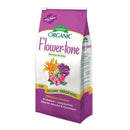


Organic Soil Amendment for Acid-Loving Plants
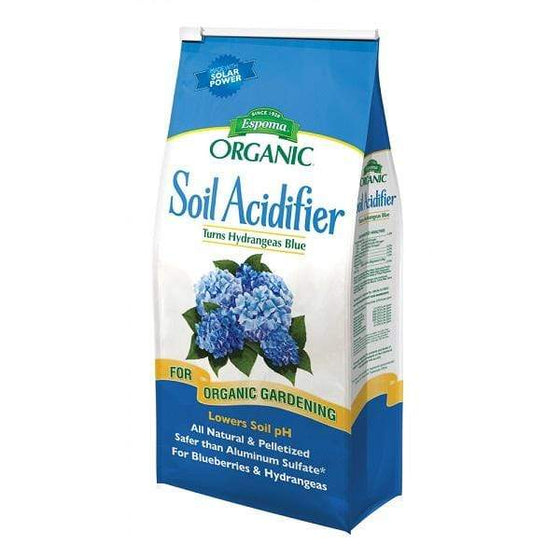
Espoma Soil Acidifier is an organic soil amendment designed to lower soil pH for hydrangeas, blueberries, and other acid-loving plants. It contains elemental sulfur and gypsum and is commonly used by gardeners seeking better growing conditions for plants that thrive in more acidic soil.
This product is especially useful for homeowners trying to turn hydrangeas blue, improve growing conditions for blueberries, or support stronger performance from acid-loving trees and shrubs. Its fast-acting yet long-lasting sulfur source makes it a practical choice for gardeners seeking a targeted soil solution rather than a general-purpose fertilizer.
What Espoma Soil Acidifier Helps You Do
Espoma Soil Acidifier helps homeowners adjust soil conditions for plants that prefer a lower pH. That is especially important for acid-loving plants that may struggle to perform well in soil that is too alkaline or neutral for their needs.
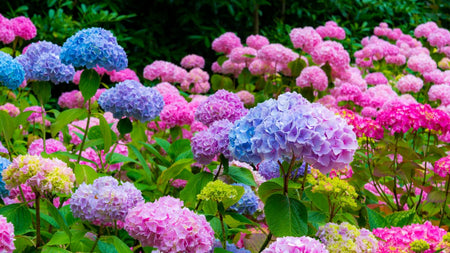
It is also a strong choice for gardeners who want to influence hydrangea bloom color and improve blueberry growing conditions. By lowering soil pH, this product creates a more suitable root environment for plants that need acidic soil to grow and look their best.
Where Soil Acidifier Product Works Best
This product works especially well in garden spaces planted with hydrangeas, blueberries, and other acid-loving shrubs and plants. It fits naturally into ornamental beds, edible berry plantings, foundation borders, and mixed shrub areas, where soil pH is an important factor in plant performance.
It is also useful for gardeners working with existing landscape soil that needs adjustment before plants can truly thrive. Whether you are growing blueberries in the ground, improving soil for hydrangeas, or supporting other acid-loving trees and shrubs, this product offers a more focused approach than a standard fertilizer.
What Makes Espoma Soil Acidifier Useful in the Garden
One of the biggest strengths of Espoma Soil Acidifier is that it doesn't try to do everything at once. Instead, it focuses on the specific job of helping lower soil pH, which makes it highly useful for gardeners dealing with plants that have clear soil acidity preferences.
It also stands out because Espoma states that it is approved for organic gardening and safe for people, pets, and the planet. For homeowners who want an organic gardening product that addresses a very specific soil need, it makes it an appealing addition to the garden care routine.
When to Apply Soil Acidifier for Best Results
Espoma recommends applying Soil Acidifier in spring to lower soil pH for hydrangeas and blueberries. For new plantings, established plants, and potted plants, the label provides different directions, and repeat applications may be made in 60-day intervals until the desired pH or bloom color is achieved.
That makes this product especially helpful when you are trying to make active soil adjustments during the growing season rather than simply maintaining a feeding routine. Following the product directions is the best way to use it effectively around newly planted shrubs, mature hydrangeas, and productive blueberry plantings.
Why Homeowners Choose Soil Acidifier by Espoma
Homeowners choose Espoma Soil Acidifier because it offers a straightforward solution for a specific garden challenge. If soil pH is keeping hydrangeas from turning blue or making it harder for blueberries and other acid-loving plants to thrive, this product gives gardeners a targeted way to address the issue.
It is also appealing because it combines practical garden performance with a familiar organic gardening brand. For gardeners who want a product that feels purpose-built, easy to understand, and useful in both ornamental and edible plantings, Espoma Soil Acidifier is a strong choice.
| Primary Use | Lowering soil pH for acid-loving plants |
|---|---|
| Ideal For | Hydrangeas, blueberries, and other acid-loving plants |
| Application Areas | Garden beds, shrub borders, berry plantings, and containers |
| Feeding Timing | Spring and repeated as directed when pH adjustment is needed |
| Key Benefit | Helps lower soil pH and supports blue hydrangea color |
| Best For Gardeners Who Want | A targeted way to improve soil conditions for acid-loving plants |
How to Use Espoma Soil Acidifier
Application and Usage FAQs

How should I apply Espoma Soil Acidifier?
Espoma Soil Acidifier should be spread evenly around the root zone or planting area rather than piled directly against the stem. It is designed for use with hydrangeas, blueberries, new plantings, established plantings, and potted plants, so the best application approach depends on the growing situation and the label directions. After applying, water the area well so the product can begin working into the soil. Careful, label-based application is especially important when you are trying to manage soil pH around established shrubs or containers.

How often should I use Espoma Soil Acidifier?
Espoma notes that repeat applications can be made in 60-day intervals until the desired soil pH or hydrangea bloom color is reached. That makes this a product you can use as part of an ongoing soil-adjustment plan when needed. The exact frequency should still follow the label and the needs of the specific plants you are growing. Gardeners usually get the best results when they apply it consistently and watch how their acid-loving plants respond over time.
When should I use Espoma Soil Acidifier?
Spring is the main application season Espoma highlights for hydrangeas and blueberries. That timing helps gardeners start adjusting soil conditions early, when plants are entering active growth and can benefit from improved soil chemistry. It can also remain useful during the growing season when repeat applications are needed to reach the desired pH or bloom color result. That makes it especially helpful for gardeners who are actively managing hydrangea color or blueberry growing conditions.

What should I use Espoma Soil Acidifier on?
Espoma Soil Acidifier is intended for hydrangeas, blueberries, and other acid-loving plants. It is best used in areas where lowering soil pH can improve plant performance or help support blue hydrangea blooms. This makes it a strong fit for shrub borders, berry gardens, ornamental beds, and mixed plantings built around acid-loving varieties. It is not intended to be a universal product for every plant in the landscape.