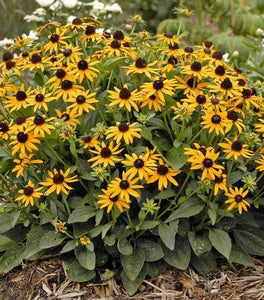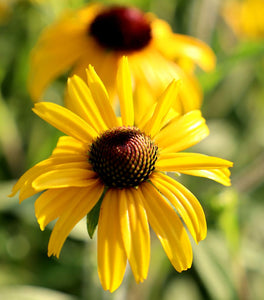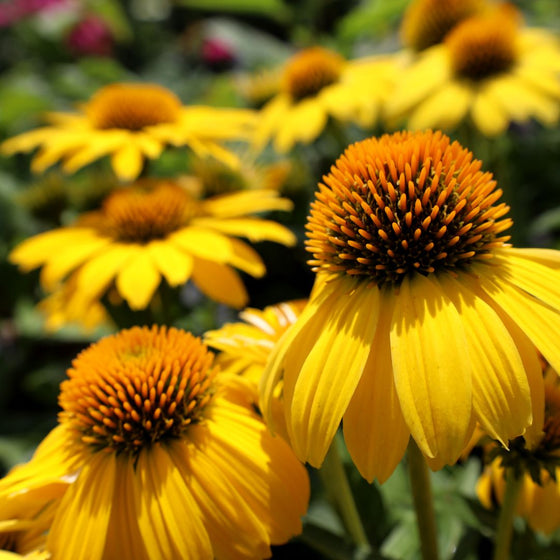
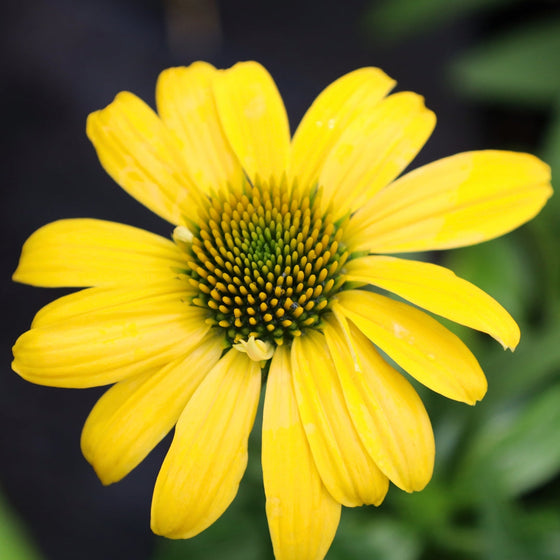
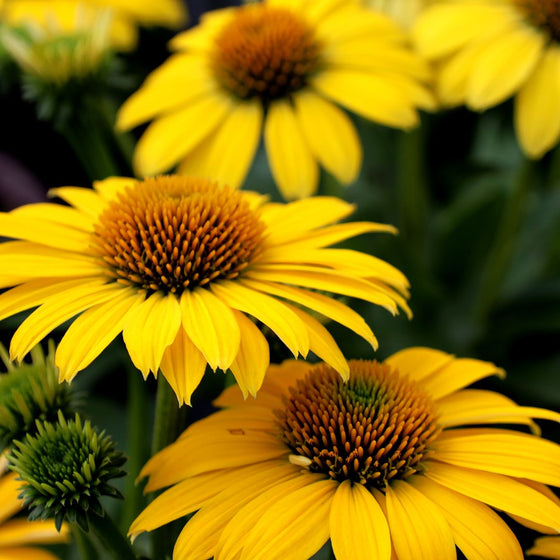
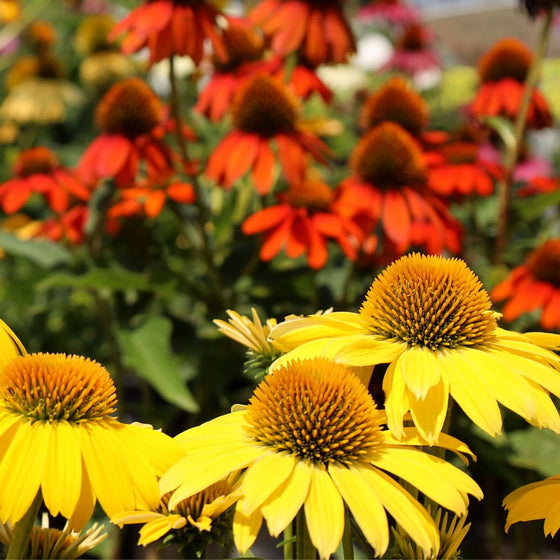


Images Depict Mature Plants
Sombrero Lemon Yellow Coneflower
Echinacea 'Balsomemyim' Plant Patent #30116
Sombrero Lemon Yellow Coneflower is a great choice when you want the easy-care toughness of Echinacea in a bright, cheerful yellow. The compact habit makes it easy to use in smaller beds, containers, and repeat plantings, and the lemon-yellow flowers pair beautifully with purple salvia, blue catmint, black-eyed Susans, lavender, and ornamental grasses. I especially like it where the yellow blooms can brighten the whole border and keep pollinators active through summer.

15% OFF FOR MOTHER'S DAY
Use Code MOMDAY15 At Checkout
📦 Free shipping on orders over $99.
Delay shipping by leaving us a message at Checkout.
Share:

Lemon-Yellow Blooms for Sunny Pollinator Gardens
Bright lemon-yellow flowers with cheerful summer color.
Sombrero Lemon Yellow Coneflower produces vibrant lemon-yellow to golden-yellow flowers with prominent coppery-orange to orange-brown cones, creating a bright, sunny display in full-sun gardens. The flowers have the classic Echinacea shape, but the warm yellow color gives this variety a fresh, cheerful look that stands out beautifully in mixed perennial borders. Use it where homeowners want the toughness of coneflowers with a lighter, brighter flower color than red, orange, or purple varieties.
Compact growth with sturdy, well-branched stems.
Echinacea Sombrero Lemon Yellow has a compact, well-branched habit that fits beautifully into smaller gardens, front-to-middle borders, patio containers, and mass plantings. The sturdy stems help the flowers stay upright without staking, while the green foliage keeps the plant looking full and polished through the growing season. It pairs especially well with purple salvia, blue catmint, black-eyed Susans, yarrow, bee balm, lavender, Russian sage, coreopsis, and ornamental grasses for a sunny garden with color, texture, and movement.
A pollinator-friendly perennial from summer into fall.
Sombrero Lemon Yellow Coneflower attracts butterflies, bees, hummingbirds, and other pollinators during its long bloom season. The bright flowers are easy for pollinators to find, and planting several together creates a stronger visual display and more useful nectar source. After bloom, leaving some seed heads standing can add winter texture and provide food for birds, especially finches, extending the plant’s value beyond its main flower season.
Tough, drought-tolerant, and deer-resistant.
Once established, Sombrero Lemon Yellow Echinacea is a low-maintenance perennial that handles full sun, heat, humidity, wind, and dry spells well. It performs best in well-drained soil and average to dry garden conditions, without needing heavy fertilizer or constant watering. It is also considered deer-resistant in many landscapes, making it a practical option for homeowners who want colorful, full-sun flowers with better-than-average browsing resistance.
Excellent for borders, containers, and cut flowers.
Use Sombrero Lemon Yellow Coneflower in sunny borders, pollinator gardens, cottage gardens, prairie-style plantings, and containers where its compact habit and bright yellow blooms can shine. The flowers are also useful for fresh-cut arrangements, especially when paired with blue, purple, white, orange, red, and grass-textured companion plants. Deadheading can encourage a cleaner look and additional bloom, while leaving some late-season cones supports birds and adds natural winter interest.
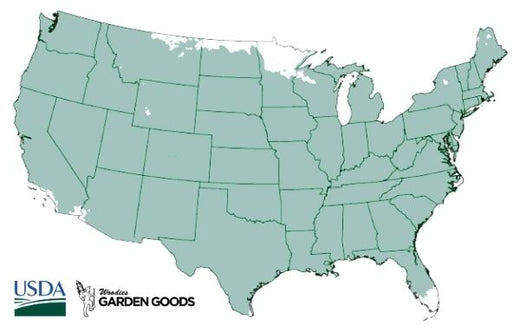
| Hardiness Zone: | 4-9 |
|---|---|
| Mature Height: | 1 to 2 Feet |
| Mature Width: | 20 to 24 Inches |
| Sunlight: | Full sun |
| Soil | Average, dry to medium, well-drained soil; adapts to lean, sandy, dry, or average garden soils once established |
| Water Requirements: | Water regularly after planting; drought tolerant once established |
| Bloom Time / Color | Summer into late summer or early fall; lemon-yellow to golden-yellow flowers with coppery-orange to orange-brown cones |
| Ornamental Features | Lemon-yellow flowers, prominent cones, compact upright habit, sturdy stems, strong branching, cut flower value |
| Wildlife Value | Attracts butterflies, bees, hummingbirds, and other pollinators; seed heads can feed birds |
| Resistance | Deer resistant in many settings, drought tolerant once established, heat tolerant, humidity tolerant, wind tolerant, and generally low maintenance |
| Landscape Uses | Sunny borders, pollinator gardens, butterfly gardens, hummingbird gardens, cottage gardens, prairie-style plantings, mass plantings, containers, cut flower gardens, and low-maintenance landscapes |
How to Care for Sombrero Lemon Yellow Coneflower
aBe sure to read our planting instructions to ensure a healthy and happy Sombrero Lemon Yellow Coneflower for years to come!
-v1760025999690.png?92x91)
How should I plant Sombrero Lemon Yellow Coneflower?
Plant Sombrero Lemon Yellow Coneflower in full sun with well-drained soil. Choose a site that receives at least 6 hours of direct sunlight per day, because strong light supports better flowering, sturdier stems, and a more compact plant habit. Dig a hole about twice as wide as the root ball and set the crown level with the surrounding soil. Backfill, water deeply, and space plants about 18 to 24 inches apart so each clump has room to mature and maintain good airflow.
-v1760026073787.png?89x84)
How often should I water Sombrero Lemon Yellow Coneflower after planting?
Water Sombrero Lemon Yellow Coneflower regularly during the first growing season while the roots establish. Keep the soil evenly moist after planting, but avoid soggy conditions because Echinacea performs best in well-drained soil. Once established, Sombrero Lemon Yellow Coneflower becomes drought tolerant and usually needs less supplemental water than many flowering perennials. During extended heat or drought, water deeply as needed, then allow the soil to dry slightly between waterings.
-v1760026283813.png?90x89)
When should I fertilize Sombrero Lemon Yellow Coneflower?
Fertilize Sombrero Lemon Yellow Coneflower lightly in spring with compost or a balanced, slow-release fertilizer if your soil is poor. In most garden beds, Echinacea performs well without heavy feeding. Avoid excessive fertilizer, especially high-nitrogen fertilizer, which can encourage leafy growth at the expense of flowers or make stems less sturdy. Full sun, good drainage, and moderate fertility are usually the best combination for strong performance.

When and how should I prune Sombrero Lemon Yellow Coneflower?
Prune Sombrero Lemon Yellow Coneflower by deadheading spent blooms during the growing season if you want a tidier look or want to encourage additional flowers. Cut spent flower stems back to a lower leaf or side shoot. Later in the season, leave some seed heads standing if you want winter interest and bird value. Cut the plant back in late fall after frost or in early spring before new growth begins.