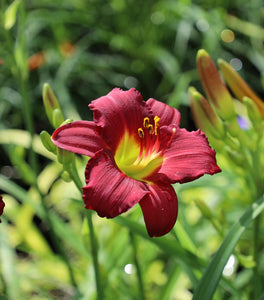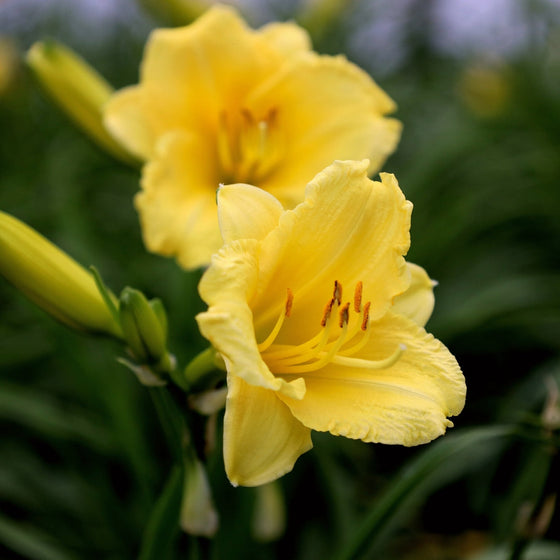
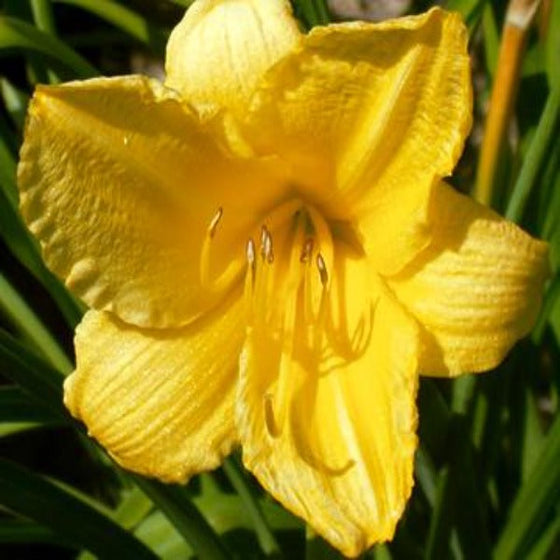


Images Depict Mature Plants
Happy Returns Daylily
Hemerocallis 'Happy Returns'
Happy Returns Daylily is a classic for a reason: it is cheerful, compact, and dependable in sunny gardens. The lemon-yellow flowers are brighter and cleaner looking than many gold daylilies, and the reblooming habit gives the plant more staying power through the season. I especially like it repeated along walkways or planted in groups near the front of borders, where the color can lift the whole planting and the easy-care habit keeps maintenance simple.

15% OFF FOR MOTHER'S DAY
Use Code MOMDAY15 At Checkout
📦 Free shipping on orders over $99.
Delay shipping by leaving us a message at Checkout.
Share:


Reblooming Lemon-Yellow Flowers for Sunny Gardens
Lemon-yellow flowers with cheerful garden color.
Happy Returns Daylily produces clear lemon-yellow flowers that bring bright, happy color to sunny perennial beds, foundation plantings, and walkway edges. The blooms have a softer, cleaner yellow tone than many deeper-gold daylilies, making this variety easy to blend with cool blues, purples, whites, pinks, and ornamental grasses. Its flowers rise above arching green foliage for a polished look that works in both relaxed cottage gardens and more formal border plantings.
A compact rebloomer with long seasonal value.
This daylily is known for its strong reblooming performance, producing an early summer flush followed by additional blooms later in the season when growing conditions are favorable. Each individual flower lasts only one day, which is where the common name “daylily” comes from, but mature clumps produce many buds over time. That steady bud production helps Happy Returns provide weeks of color rather than a single short-lived display.
Light fragrance and pollinator appeal.
Happy Returns Daylily has lightly fragrant flowers that make it especially enjoyable near patios, seating areas, garden paths, and entryways. The blooms attract butterflies, bees, hummingbirds, and other pollinators, adding movement and activity to sunny beds during the growing season. Planting several together creates a stronger color display and a more noticeable draw for pollinators in cottage gardens, foundation plantings, and mixed perennial borders.
Tough, adaptable, and easy to grow.
Like many daylilies, Happy Returns is a rugged perennial that performs well in full sun to part shade and adapts to a wide range of well-drained soils. It handles summer heat and humidity, tolerates dry spells once established, and is forgiving enough for both new and experienced gardeners. For the best flowering and rebloom potential, plant it in full sun, water deeply during extended droughts, and remove spent flower stems after each bloom cycle.
Beautiful in borders, masses, edging, and containers.
Happy Returns Daylily stays compact enough to use along walkways, driveways, garden edges, and the front of sunny borders, while still producing enough flowers to make an impact in groups. It also works well in patio containers, cut flower gardens, low-maintenance landscapes, and mass plantings where repeated yellow color is a priority. Use it as a bright seasonal accent or repeat it through a border to create rhythm and continuity through summer.
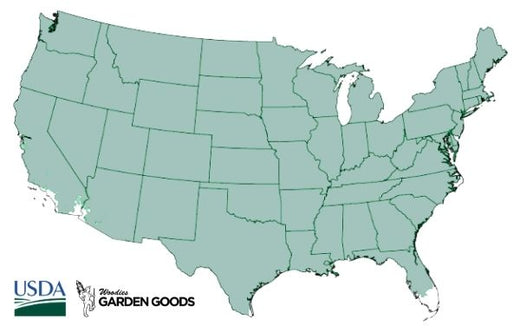
| Hardiness Zone: | 3-9 |
|---|---|
| Mature Height: | 15 to 20 Inches |
| Mature Width: | 18 to 24 Inches |
| Sunlight: | Full sun to part shade; best flowering in full sun |
| Soil | Average, fertile, moist, well-drained soil; adapts to a wide range of soil types |
| Water | Water regularly after planting; drought tolerant once established but benefits from deep watering during dry spells |
| Bloom Time / Color | Late spring to summer with rebloom potential into fall; lemon-yellow flowers |
| Ornamental Features | Reblooming lemon-yellow flowers, light fragrance, compact habit, long bloom season, extended bloom traits |
| Wildlife Value | Attracts butterflies, bees, hummingbirds, and other pollinators |
| Resistance | Heat tolerant, humidity tolerant, drought tolerant once established, adaptable, and generally low maintenance |
| Landscape Uses | Sunny borders, edging, foundation beds, mass plantings, containers, cottage gardens, pollinator gardens, cut flower gardens, slopes, and low-maintenance landscapes |
How to Care for Happy Returns Daylily
Be sure to read our planting instructions to ensure a healthy and happy Happy Returns Daylily for years to come!
-v1777562230955.png?92x91)
How should I plant Happy Returns Daylily?
Plant Happy Returns Daylily in full sun to part shade with well-drained soil. For the strongest flowering and best rebloom potential, choose a location that receives at least 6 hours of direct sunlight per day. Dig a hole about twice as wide as the root ball and set the crown level with the surrounding soil. Backfill, water deeply, and space plants about 18 to 24 inches apart so the clumps have room to mature and create a fuller display.
-v1777562250126.png?89x84)
How often should I water Happy Returns Daylily after planting?
Water Happy Returns Daylily regularly during the first growing season while the roots establish. Keep the soil evenly moist after planting, especially during heat, dry weather, or the first several weeks after installation. Once established, daylilies are drought tolerant, but they bloom better with deep watering during extended dry spells. Water at the base of the plant when the top few inches of soil begin to dry, especially in containers, sandy soil, or very hot weather.
-v1777562271604.png?90x89)
When should I fertilize Happy Returns Daylily?
Fertilize Happy Returns Daylily in spring with compost or a balanced, slow-release fertilizer. This supports healthy foliage, strong roots, and better flower production during the growing season. Avoid excessive high-nitrogen fertilizer, which can encourage leafy growth at the expense of blooms. A light feeding after the first bloom cycle can also help support reblooming if the plant is actively growing and soil moisture is adequate.

When and how should I prune Happy Returns Daylily?
Prune Happy Returns Daylily by removing spent flowers and cutting flower scapes back once they finish blooming. Deadheading helps keep the plant tidy and directs energy back into the clump. Cut back old foliage in late fall after frost or in early spring before new growth begins. If the clump becomes crowded or flowering declines after several years, divide it in spring or fall to refresh growth and create more plants.