Images Depict Mature Plants
Cup Plant
Silphium perfoliatum
Cup Plant is one of those natives I really like when a landscape needs presence and purpose. It gets tall, blooms well, and brings real wildlife value without feeling fussy. For homeowners who have the room for it, this is the kind of plant that helps a garden feel bigger, more alive, and more connected to the landscape around it.

20% OFF SITEWIDE SALE
Use Code 'OCTOBER20' At Checkout
📦 Free shipping on orders over $99.
Delay shipping by leaving us a message at Checkout.
Share:Recommended Add-Ons


Tall Native Beauty With Pollinator and Wildlife Value
A Bold Native Perennial With Strong Garden Presence
Cup Plant is a standout choice for homeowners who want a native perennial that brings both height and personality to the garden. It grows into a tall, upright clump with sturdy stems and broad leaves, giving it a strong architectural presence in the landscape. Missouri Botanical Garden notes that it typically reaches about 4 to 8 feet tall, making it one of the more substantial native perennials for larger sunny spaces.
That size is one of the biggest reasons people choose it. Instead of disappearing among midsized perennials, Cup Plant creates vertical structure and a natural focal point in prairie plantings, rain gardens, and pollinator borders. For homeowners who want a planting to feel full, dynamic, and wildlife-friendly, it brings real substance.
Yellow Summer Flowers That Support Pollinators
In summer, Cup Plant produces cheerful yellow daisy-like flowers that rise above the foliage, bringing a bright, natural look to the landscape. The Lady Bird Johnson Wildflower Center describes it as a coarse perennial with numerous large yellow composite flowers, and the Missouri Botanical Garden notes that the bloom period runs through summer.
Those blooms make it especially useful in pollinator gardens and native borders where long-season ecological value matters. It has the kind of flower display that feels relaxed and natural rather than overly formal, which makes it easy to combine with other native perennials and ornamental grasses.
A Native Plant With One of the Most Memorable Leaf Traits
One of the most distinctive features of the Cup Plant is the way its opposite leaves join at the stem and form a shallow cup that can collect rainwater. Missouri Botanical Garden highlights this cup-forming leaf arrangement as the trait that gives the plant its common name, and USDA plant materials also describe those cuplike bases that hold water.
That feature adds a layer of ecological interest beyond flowers alone. The cups can provide moisture for birds and insects, making the plant feel even more alive and interactive in the landscape. It is one of those native species that offers both beauty and a story.
A Great Fit for Rain Gardens, Prairie Plantings, and Large Borders
Cup Plant is especially useful in landscapes where a plant needs to do more than just bloom. Missouri Botanical Garden notes that it naturally occurs in wet meadows, prairies, and around stream or pond margins, which helps explain why it performs so well in rain gardens, moist borders, and other challenging areas with more consistent moisture.
That adaptability makes it a smart choice for homeowners dealing with lower spots, naturalized spaces, or larger perennial beds where a taller backbone plant is needed. It also works beautifully in prairie-style plantings where its height and flower display can mingle with grasses and other natives.
Easy-Care Native Performance in the Right Space
Cup Plant performs best in full sun and has the greatest impact when given room to grow to its natural size. Because it is a taller, coarser perennial, it is best suited to larger borders, native gardens, and open sunny areas rather than small, tightly edited beds. Both the Missouri Botanical Garden and the Lady Bird Johnson Wildflower Center emphasize their robust nature and sizable mature height.
For homeowners who want a bold native perennial with yellow summer flowers, strong wildlife value, and excellent performance in moist or average soils, Cup Plant is one of the most rewarding choices available.
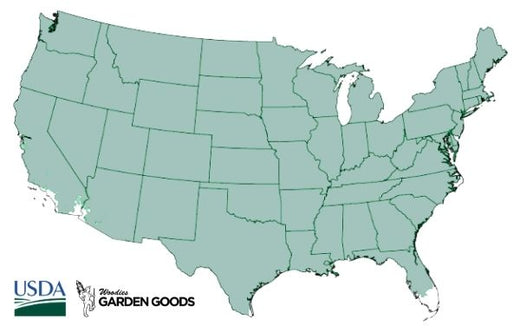
| Hardiness Zone: | 3-9 |
|---|---|
| Mature Height: | 4 to 8 Feet |
| Mature Width: | 2 to 4 Feet |
| Sunlight: | Full Sun |
| Bloom Time / Color | Summer; yellow flowers |
| Ornamental Features | Tall upright habit, yellow daisy-like blooms, cup-forming leaves, bold texture |
| Soil Condition: | Average to moist soil; adaptable, including wetter sites |
| Water Requirements: | Regular moisture during establishment; appreciates average to moist soil |
| Wildlife Value | Strong pollinator value; foliage cups can hold water for birds and insects |
| Resistance (deer/disease/drought/etc.) | Native, adaptable, deer resistant and useful in moist conditions |
| Landscape Uses | Pollinator garden, rain garden, prairie planting, native border, large perennial bed |
How to Care for Cup Plant
Before you buy a Cup Plant, make sure to read about the recommended care instructions to keep this plant healthy and thriving.
-v1775231233232.png?92x91)
How should I plant Cup Plant?
Plant Cup Plant in full sun in a location where it has room to grow into a tall, upright clump. Dig a hole about twice as wide as the root ball but no deeper than the root ball itself, and set the plant so the crown sits level with the surrounding soil. It performs especially well in larger native plantings, rain gardens, prairie borders, and moist landscape areas. Its natural habitat includes wet meadows and stream or pond margins, so it is very useful in sites with more consistent moisture. Because it grows large and coarse, Cup Plant is usually best placed toward the back of a border or in more naturalized plantings where its height becomes an asset instead of a problem. It is not the best fit for tiny, formal beds, but it is excellent in bold, wildlife-friendly spaces.
-v1775231261022.png?89x84)
How often should I water Cup Plant after planting?
Water deeply right after planting and keep the soil evenly moist during the first growing season. Deep watering is more helpful than frequent shallow watering because it encourages stronger root development and helps the plant establish more successfully. Since Cup Plant naturally occurs in moist habitats, it generally performs best when not allowed to dry out completely for long stretches. Once established, it is fairly adaptable, but it still performs best with average to moist conditions. In drier landscapes, supplemental watering during prolonged dry periods will help preserve the best growth and flowering.
-v1775231282146.png?90x89)
When should I fertilize Cup Plant?
Cup Plant usually does not need heavy feeding. In most landscapes, a light application of balanced slow-release fertilizer in spring is enough if the plant appears to need support. Because it is a vigorous native perennial, good soil preparation and appropriate moisture usually matter more than frequent fertilization. Too much fertilizer can push overly lush growth and reduce the balanced, sturdy character that makes this plant so useful in larger native plantings. A moderate approach is generally best.

When and how should I prune Cup Plant?
Cup Plant is best cut back in late winter or very early spring before new growth begins. Removing the previous season’s stems helps make room for fresh growth and keeps the planting looking clean. If you want winter texture or bird interest, you can leave the stems standing through fall and winter and cut them back just before spring growth starts. In most cases, a simple annual cutback is all this plant needs.