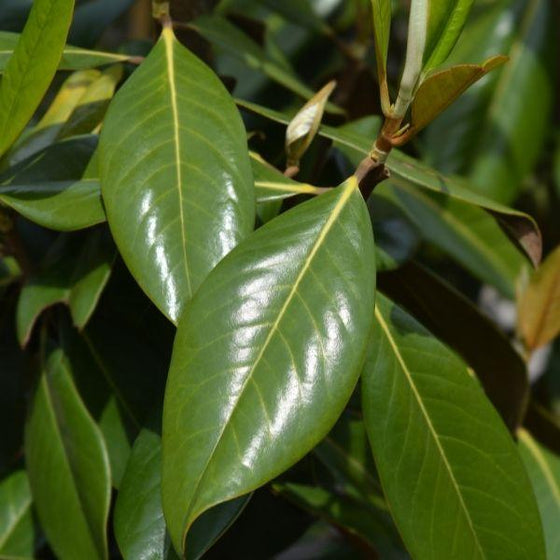


Images Depict Mature Plants
Claudia Wannamaker Magnolia
Magnolia grandiflora 'Claudia Wannamaker'
Claudia Wannamaker Magnolia is one of those evergreen trees that gives a landscape instant substance and class. I really like the glossy dark foliage, the dense pyramidal habit, the fragrant white flowers, and the fact that it can work just as well as a specimen as it can in a privacy screen. For homeowners who want a Southern Magnolia that feels lush, full, and useful year-round, this is a beautiful choice that brings both ornamental payoff and real landscape function.

20% Off Sitewide Sale!
Use Code 'CLOSEOUT20' At Checkout
📦 Free shipping on orders over $99.
Delay shipping by leaving us a message at Checkout.
Share:

Evergreen Southern Magnolia Beauty with Fragrant White Blooms and Dense Screening Value
A Dense Evergreen Magnolia with Strong Year-Round Presence
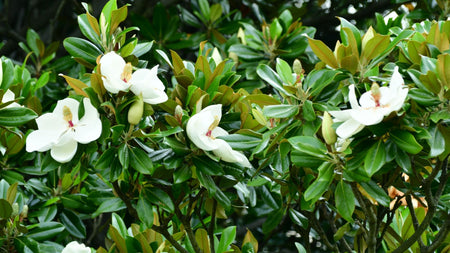
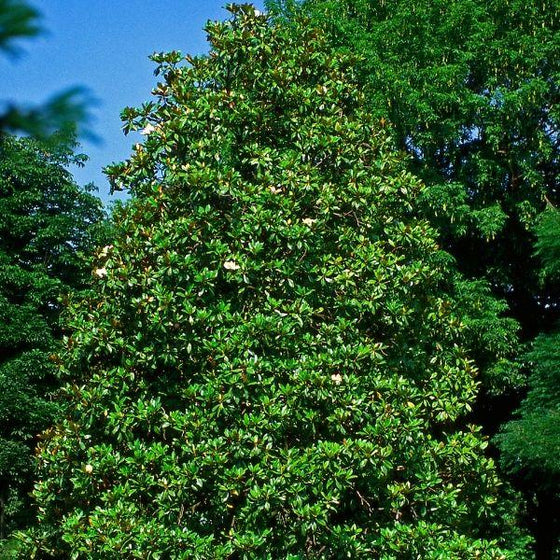
Claudia Wannamaker Magnolia is a beautiful choice for homeowners who want an evergreen tree with both ornamental elegance and practical landscape value. This Southern Magnolia selection is known for its dense, broad-pyramidal habit, glossy dark green foliage, and refined evergreen presence that keeps the landscape full and polished in every season. Even when it is not in bloom, it offers structure, privacy, and a sense of permanence that can anchor an entire planting.
Its foliage is one of the biggest reasons it stands out. The leaves are rich, glossy, and substantial, giving the tree a lush, polished appearance that immediately adds depth to the landscape. Because the canopy stays full and dense, Claudia Wannamaker Magnolia works especially well where homeowners want a tree that does more than simply look good for one season. It helps soften large spaces, define property lines, and bring a strong evergreen character to front yards and larger mixed borders.
The growth habit also makes it especially useful. Rather than feeling loose or irregular, this cultivar tends to hold a fuller, more uniform form that reads well in both specimen and screen planting. That allows homeowners to use it with confidence in more formal layouts, privacy designs, and larger home landscapes where evergreen structure matters as much as bloom.
For anyone looking for a Southern Magnolia that brings year-round beauty and real practical function, Claudia Wannamaker Magnolia is an excellent option. It is the kind of tree that helps a landscape feel mature, grounded, and intentionally designed.
Fragrant White Blooms Bring the Classic Magnolia Experience
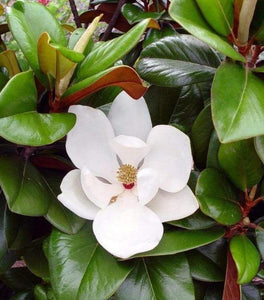
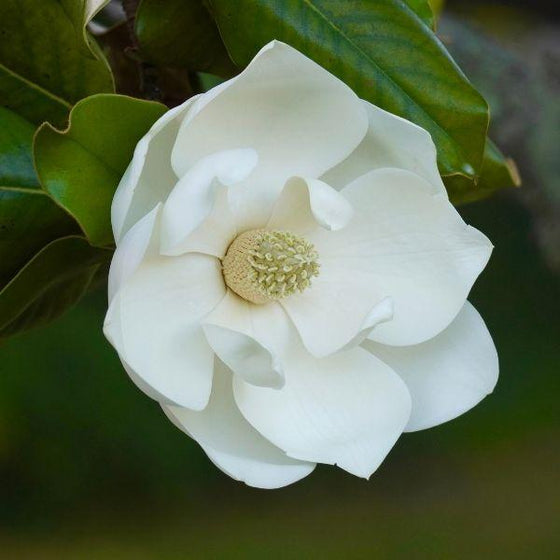
One of the strongest reasons to plant the Claudia Wannamaker Magnolia is the flower display. The large white blooms are fragrant, elegant, and unmistakably magnolia, bringing the classic Southern Magnolia look that so many homeowners want. They open in the warmer part of the growing season, when the tree is already clothed in rich green foliage, creating a layered, luxurious effect that feels both timeless and dramatic.
This cultivar is especially appealing because it blooms at an early age and tends to flower over a longer season than many homeowners expect. That means the tree begins to give floral return sooner and continues to contribute ornamental value for a broader portion of the year. Instead of one brief bloom moment, the display can feel more extended and rewarding.
The flowers contrast beautifully against the dark evergreen leaves, which makes them feel even brighter and more noticeable. Planted near patios, lawns, entry gardens, or open views from the home, the blooms add beauty and fragrance in a way that can completely change the atmosphere of the space. This is not just a background evergreen. It is a tree with a true seasonal performance.
For gardeners who want the classic magnolia bloom experience on an evergreen tree that still provides year-round utility, Claudia Wannamaker Magnolia offers a particularly satisfying balance of fragrance, foliage, and flower power.
A Strong Fit for Privacy Screens, Hedges, and Large Specimens Use
Claudia Wannamaker Magnolia is especially well-suited to landscapes where a tree can serve both ornamental and structural purposes. Its dense, broad-pyramidal canopy makes it a strong candidate for privacy planting, evergreen hedges, and soft screening along property lines. When planted in rows, it can create a far more refined and attractive screen than many standard evergreen options, while still bringing flowers and glossy foliage into the design.
It also works beautifully as a specimen tree. In larger lawns, entry gardens, and spacious mixed borders, it has enough presence to stand alone as a focal point. The full habit, evergreen leaves, and fragrant white blooms make it a tree that can hold attention in every season, whether it is flowering or simply acting as the backbone of the landscape.
Its mature size gives it real substance, so this is best viewed as a tree for homeowners who have enough room to let it develop properly. It is not the right fit for every small-yard situation, but in properties with a little more space, it can create a powerful effect. It adds depth, softness, privacy, and ornamental strength all at once.
For homeowners building a landscape around evergreen screening, strong focal planting, or a more established Southern garden feel, Claudia Wannamaker Magnolia is a very smart long-term choice. It offers the beauty of magnolia with the density and screening value that make a tree truly useful.
Easy-Care Growth with the Right Space and Site Conditions
Claudia Wannamaker Magnolia performs best in full sun to part shade and in moist, well-drained soil. Like other Southern Magnolias, it appreciates even moisture while establishing and benefits from deep watering during prolonged dry weather once rooted in. It does not want to sit in soggy ground, so good drainage is one of the most important factors in long-term success.
Once established, this tree is fairly manageable for a plant of its size. Most pruning is light and selective, focusing on removing damaged branches or making occasional structural adjustments. Its natural form is already full and attractive, so heavy shaping is usually unnecessary. That makes it easier to maintain than many homeowners expect from such a substantial evergreen flowering tree.
It is also valued for being relatively easy to transplant compared to many magnolias, which adds another practical advantage. For homeowners, investing in a larger evergreen focal tree or screen can make the establishment feel more approachable. The tree’s dense habit, steady growth, and early bloom performance make it especially rewarding when planted thoughtfully from the start.
For anyone wanting an evergreen flowering tree with Southern Magnolia character, reliable density, and an approachable care routine, Claudia Wannamaker Magnolia delivers. Give it room, light, moisture, and drainage, and it will return years of beauty, privacy, and garden presence.
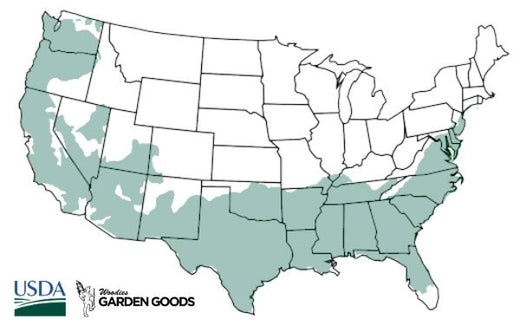
| Hardiness Zone: | 7-9 |
|---|---|
| Mature Height: | 30 to 40 Feet |
| Mature Width: | 20 to 25 Feet |
| Sunlight: | Full sun to partial shade |
| Bloom Time / Color | Early summer and often over a long season; large white fragrant flowers |
| Soil Condition: | Moist, well-drained, slightly acidic to neutral soil |
| Water Requirements: | Medium; regular water during establishment, then deep water during prolonged dry periods |
| Wildlife Value | Evergreen cover for birds and seasonal pollinator value |
| Resistance (deer/disease/drought/etc.) | Dense evergreen habit, relatively easy-care once established, not suited to waterlogged soil |
| Landscape Uses | Specimen tree, privacy screen, evergreen hedge, lawn focal point, large foundation planting, yard border |
How to Care for Claudia Wannamaker Magnolia
Be sure to read our planting instructions to ensure a healthy and happy Claudia Wannamaker Magnolia plant for years to come!

How should I plant Claudia Wannamaker Magnolia?
Plant Claudia Wannamaker Magnolia in full sun to part shade in moist, well-drained soil. Dig a hole about twice as wide as the root ball and no deeper than the root ball itself, then place the tree so the root flare sits level with or slightly above the surrounding soil. Backfill with native soil, water deeply, and apply mulch around the base to help regulate moisture and temperature. Choose a location with enough room for the mature canopy, especially if you are using it for screening or as a specimen, because this tree performs best when it has space to develop its dense natural form.

How often should I water Claudia Wannamaker Magnolia after planting?
Water Claudia Wannamaker Magnolia deeply right after planting, then keep the soil evenly moist during the first growing season. This tree performs best when the roots do not dry out for long stretches while it is becoming established. Once established, continue watering during prolonged hot or dry weather. Deep watering is more effective than frequent shallow watering, and consistent moisture supports stronger foliage, better flowering, and more reliable long-term growth.
-v1773951175394.png?90x89)
When should I fertilize Claudia Wannamaker Magnolia?
Fertilize Claudia Wannamaker Magnolia in early spring if the soil is lean or growth has been weak. A balanced slow-release fertilizer or a light topdressing of compost is usually enough to support healthy evergreen growth and flower production. Avoid overfertilizing, because this tree generally performs best with moderate feeding rather than aggressive growth forcing. In many landscapes, proper siting, moisture, and mulch matter more than heavy fertilizer use.

When and how should I prune Claudia Wannamaker Magnolia?
Prune Claudia Wannamaker Magnolia only as needed, usually to remove damaged branches or make small structural corrections. Because the natural form is dense and attractive, most trees need very little shaping to stay useful and handsome in the landscape. Keep pruning light and selective rather than aggressive. The goal is refinement, not major reshaping, so homeowners will usually get the best long-term look by preserving the tree’s broad-pyramidal form instead of forcing it into a tighter outline.