


Images Depict Mature Plants
April Kiss Camellia For Cold-Hardy Pink Blooms, Glossy Evergreen Foliage, And Elegant Part-Shade Gardens
Cold-Hardy Camellia Beauty For Early-Season Color
April Kiss Camellia is the camellia that makes gardeners in cooler zones do a double-take—because it brings that classic camellia elegance with improved cold hardiness. When it blooms, you get refined, formal double flowers in rich shades of soft-to-deep pink that look tailor-made for front-yard focal points. It’s the kind of bloom that feels “special,” especially when the rest of the garden is just waking up.
This variety is also a smart pick for extending seasonal interest. You’re not just planting for a moment—you’re building a landscape that has a highlight when few other shrubs are putting on a show. Put it where you’ll see it daily: near an entry, along a path, or outside a favorite window, and it becomes a reliable annual event.
Glossy Evergreen Structure That Keeps The Landscape Polished
Even when it’s not in bloom, April Kiss earns its place with glossy, dark green evergreen foliage that provides year-round structure. That evergreen presence makes beds look finished in every season—spring freshness, summer fullness, fall richness, and winter “bones” that keep everything from feeling bare. It’s especially valuable in part-shade beds where you want greenery that looks intentional, not sparse.
The growth habit is upright and compact, making it easy to use in foundation plantings, mixed shrub borders, and even larger containers. Over time, it develops into a handsome evergreen shrub that can be lightly shaped to stay neat, or left more natural for a softer, garden-classic feel.
Made For Partial Shade Success With Better Bloom Protection
Camellias thrive in partial shade, and April Kiss is happiest with morning sun and protection from intense afternoon exposure. That light balance supports healthier foliage and better blooms, especially in climates where late cold snaps or drying winds can stress buds and flowers. A sheltered planting spot—out of harsh winter wind—can make a noticeable difference in bud quality and flower longevity.
Soil matters most: well-drained, slightly acidic, and enriched with organic matter. Mulch helps keep roots cool and evenly moist, which camellias love. If you give April Kiss the right soil and consistent moisture while it establishes, it becomes a confident, repeat-blooming evergreen that performs beautifully in those “bright shade” garden spaces.
Elegant Hedges, Foundation Lines, And High-End Accents
April Kiss Camellia can be used as a refined evergreen hedge or as a repeating foundation shrub for a high-end, curated look. Its dense foliage and upright habit make it easy to build structure without feeling stiff, and the spring bloom shows add a seasonal highlight that traditional evergreen hedges can’t match. In mixed landscapes, it pairs beautifully with azaleas, hydrangeas, and shade perennials for layered texture and color.
It’s also generally considered deer-resistant, which helps protect that glossy foliage in many landscapes. No plant is completely deer-proof, but camellias are often less targeted than many other broadleaf evergreens. Plant it with smart spacing, keep moisture steady in year one, and prune at the right time, and April Kiss becomes one of those “plant it once, enjoy it for years” shrubs.
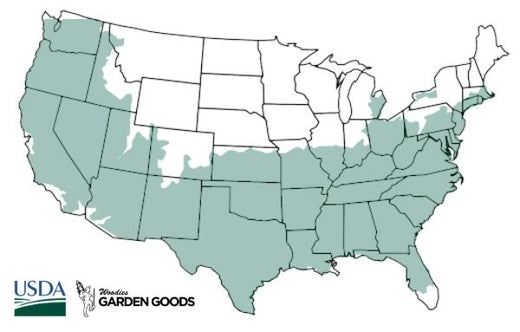
| Hardiness Zone: | 6-9 |
|---|---|
| Mature Height: | 4 to 5 feet |
| Mature Width: | 4 to 5 feet |
| Sunlight: | Partial shade (morning sun preferred) |
| Bloom Time / Color | Late winter to early spring; pink formal double blooms |
| Soil Condition: | Well-drained, slightly acidic, organic-rich |
| Water | Moderate; consistent moisture while establishing |
| Wildlife Value | Early-season pollinator interest (bees) |
| Resistance (deer/disease/drought/etc.) | Cold hardy; deer resistant (not deer-proof); drought tolerant once established |
| Landscape Uses | Foundation planting, woodland borders, evergreen hedge/screen, specimen shrub, large containers, shade gardens |
How to Care for April Kiss Camellia
Be sure to read our planting instructions to ensure a healthy and happy April Kiss Camellia for years to come!

How should I plant April Kiss Camellia?
Plant April Kiss Camellia in partial shade with well-drained, slightly acidic soil enriched with organic matter. Dig a hole 2–3 times wider than the root ball and no deeper, then set the plant so the top of the root ball is level with (or slightly above) the surrounding soil. Backfill with native soil amended with compost, firm gently, and water deeply to settle the roots. Mulch 2–3 inches over the root zone to keep roots cool and evenly moist, but keep mulch a few inches away from the stem. Choose a sheltered site away from harsh winter wind when possible, since protection improves bud and flower performance in cooler climates.

How often should I water April Kiss Camellia after planting?
Water thoroughly right after planting, then water deeply 1–2 times per week during the first growing season, adjusting for rainfall and heat. The goal is consistently moist soil—not soggy—so roots can expand beyond the original root ball. In hot or dry stretches, increase watering frequency to prevent stress that can reduce bloom quality and cause bud drop. After the first year, water is provided during extended dry periods rather than on a strict calendar. Check the top few inches of soil; if it feels dry, water deeply. Consistent moisture in late summer and fall is especially helpful because that’s when camellias are setting buds for the next bloom season.

When should I fertilize April Kiss Camellia?
Fertilize in early spring after flowering (or as new growth begins) using a fertilizer made for acid-loving plants such as camellias and azaleas. Apply around the drip line, not against the stem, and water well to move nutrients into the root zone. This supports healthy evergreen foliage and steady growth without forcing overly soft growth. If soil is lean, a light second feeding in late spring to early summer can help, but avoid fertilizing late in the season. Late feeding can encourage tender new growth that’s more vulnerable to cold and can interfere with bud development for the next bloom cycle.

When and how should I prune April Kiss Camellia?
Prune right after flowering finishes. Camellia japonica forms next season’s flower buds later in the year, so pruning immediately after bloom lets you shape the plant without removing future flowers. Start by removing dead, damaged, or crossing branches, then use selective cuts to balance the shrub and keep it dense. Avoid heavy shearing. Instead, thin lightly to improve airflow and shorten a few stems to guide shape. If you’re using April Kiss as a hedge, give it a gentle trim right after bloom, then let it grow undisturbed so it can set buds for next season.