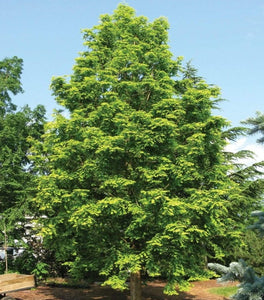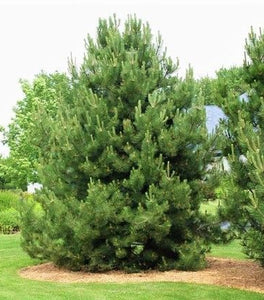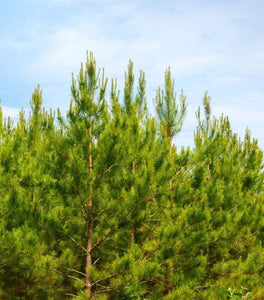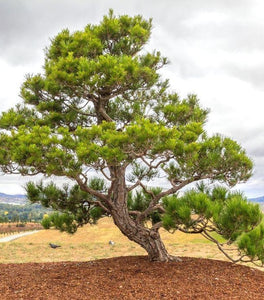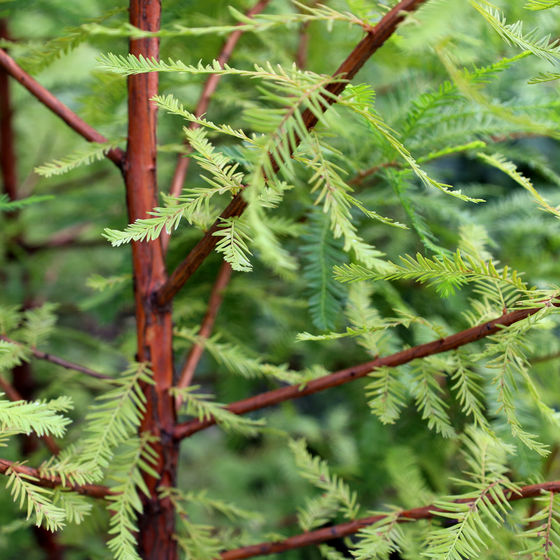
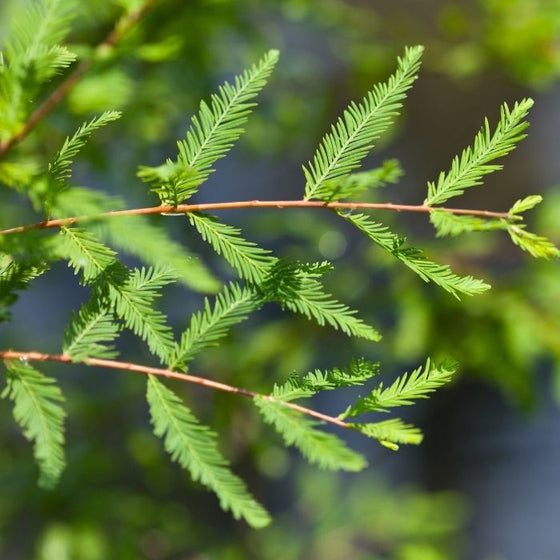


Images Depict Mature Plants
Bald Cypress
Taxodium distichum
Bald Cypress is one of those trees I really like for homeowners who want to plant something with real long-term value. It handles tough sites, brings beautiful soft texture, and gives you excellent fall color in a tree that feels both native and dependable. If you have the space for it, this is the kind of tree that can really become a major part of the landscape.

15% OFF WITH CODE PLANTING15
Save 15% Off Your Entire Order! Limited time.
📦 Free shipping on orders over $99.
Delay shipping by leaving us a message at Checkout.
Share:


Native Strength, Soft Texture, and Brilliant Fall Color
A Native Tree With Graceful Texture and Strong Presence
Bald Cypress is one of the most useful native trees for homeowners who want long-term beauty, adaptability, and strong landscape performance. Its soft, feathery foliage gives it a lighter, more graceful look than many large trees, while its upright trunk and broad conical to pyramidal shape give it the structure needed to anchor a landscape. When a property needs a tree that feels both refined and durable, Bald Cypress is a standout choice.
That softer texture is one of the reasons this tree is so appealing. Even though it becomes a substantial shade tree over time, it never feels heavy or coarse. Instead, it brings movement, seasonal change, and a native character that works beautifully in both naturalistic and more formal landscape settings.
A Deciduous Conifer With Beautiful Seasonal Change
One of the most interesting things about Bald Cypress is that it is a conifer that drops its needles in the fall. Throughout the growing season, the foliage stays fresh green and soft, then turns rich shades of copper, cinnamon, and orange-brown before dropping for winter. That gives the tree a strong autumn display and sets it apart from many other large landscape trees.
This seasonal shift is a big reason homeowners choose it. Instead of staying visually static all year, Bald Cypress brings a changing look that keeps the landscape more dynamic. It offers green texture in spring and summer, beautiful fall color, and a strong winter silhouette after leaf drop.
A Strong Choice for Wet Areas, Open Yards, and Large Landscapes
Bald Cypress is especially useful because it tolerates conditions that many other trees struggle with. It is well known for handling wet sites, low spots, and poorly drained areas better than most shade trees, which makes it a practical solution for difficult landscape conditions. At the same time, it can also grow very well in average garden soil once established.
That adaptability gives homeowners more flexibility in how they use it. It works beautifully in open lawns, along property lines, near ponds or drainage areas, and in larger front or backyards where a long-lived specimen tree is needed. For landscapes with site challenges, it can be one of the smartest tree choices available.
A Long-Lived Tree for Shade, Privacy, and Structure
Because Bald Cypress grows into a substantial tree with a strong trunk and upright branching, it brings real long-term value to the landscape. It can be used as a specimen tree, a native shade tree, a backdrop in larger plantings, or even as part of a privacy or windbreak row when planted with enough room. It has the kind of presence that helps define a property and gives a landscape a more established feel over time.
This is especially important for homeowners who are planting with the future in mind. Bald Cypress is not just a quick decorative feature. It is the kind of tree that becomes a major landscape asset over the years.
Easy-Care Native Performance With the Right Space
Bald Cypress performs best in full sun and appreciates room to grow. Once established, it is relatively low-maintenance and dependable, especially when matched to the right site. It does not need constant shaping, and much of its beauty comes from its natural form and steady, upright growth.
For homeowners who want a native tree with graceful foliage, strong structure, wet-site adaptability, and beautiful fall color, Bald Cypress is one of the best long-term choices available.
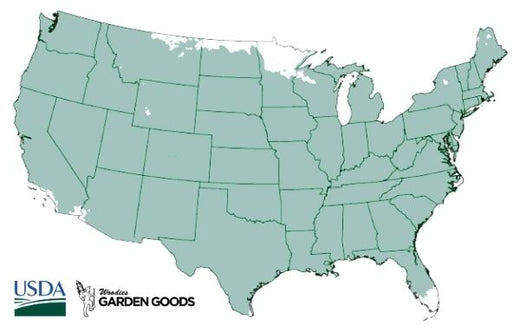
| Hardiness Zone: | 4 - 9 |
|---|---|
| Mature Height: | 50 to 70 feet |
| Mature width: | 20 to 30 feet |
| Sunlight: | Full Sun |
| Soil Condition: | Adaptable; prefers moist to wet soil but tolerates average well-drained soil |
| Water Require: | Regular moisture during establishment; adaptable once established |
| Bloom Time / Color | Bloom Time / Color |
| Ornamental Features | Soft green feathery foliage, copper-orange fall color, strong upright form, attractive bark |
| Wildlife Value | Native habitat and shelter value |
| Resistance (deer/disease/drought/etc.) | Tolerates wet soils, low-maintenance once established, adaptable to a wide range of conditions |
| Landscape Uses | Shade tree, specimen tree, privacy planting, windbreak, wet-area planting, native landscape tree |
How to Care for Bald Cypress
Be sure to read our planting instructions to ensure a healthy and happy Bald Cypress for years to come!
-v1775221800830.png?92x91)
How should I plant Bald Cypress?
Plant Bald Cypress in full sun in a location where it has room to mature into a large tree. Dig a hole two to three times as wide as the root ball but no deeper than the root ball itself, and set the tree so the root flare sits at or slightly above grade. Backfill carefully and water deeply after planting. This tree works especially well in open lawns, larger beds, low spots, and areas with more moisture than average. It is best used where its upright structure and long-term size can be appreciated rather than squeezed into a small planting space.
-v1775221823282.png?89x84)
How often should I water Bald Cypress after planting?
Water deeply right after planting and keep the soil evenly moist during the establishment period. Deep watering is more effective than frequent shallow watering because it encourages stronger root development and helps the tree settle in more successfully during its first growing season. Once established, Bald Cypress is very adaptable, especially in sites with natural moisture. In drier locations, supplemental watering during extended dry spells will help keep the tree looking its best and support strong long-term growth.
-v1775221856996.png?90x89)
When should I fertilize Bald Cypress?
Bald Cypress usually does not need heavy feeding. A light application of balanced slow-release fertilizer in early spring is usually enough if the tree appears to need support. In many landscapes, good soil preparation and steady moisture are more important than frequent fertilization. Too much fertilizer can push overly soft growth and is usually unnecessary for a tree valued mainly for its form, adaptability, and long-term structural beauty. A moderate approach is generally best.

When and how should I prune Bald Cypress?
Bald Cypress usually needs only light structural pruning. Remove dead, damaged, or awkward crossing branches and preserve the tree’s natural upright form rather than trying to reshape it heavily. If shaping is needed, prune in late winter while the tree is dormant. In most cases, a lighter touch creates the healthiest and best-looking tree, especially because Bald Cypress already has such a naturally strong habit.