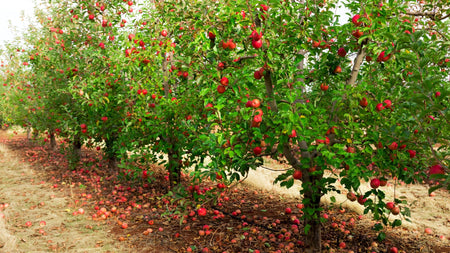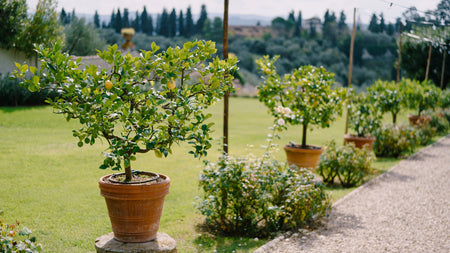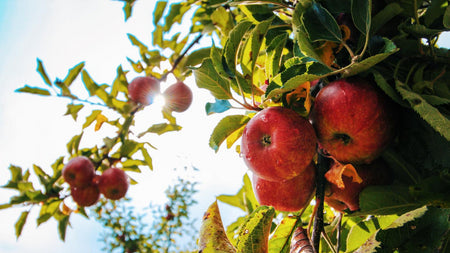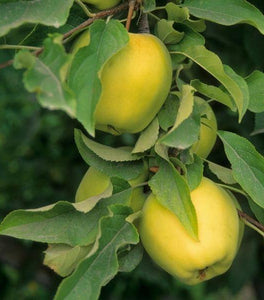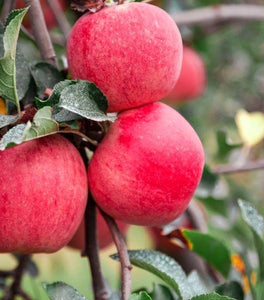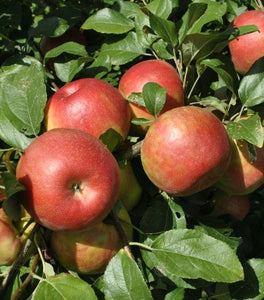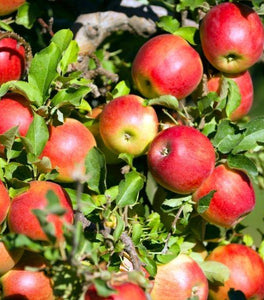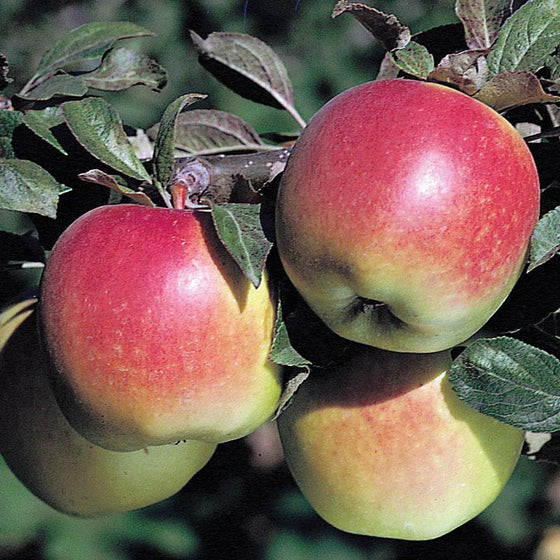

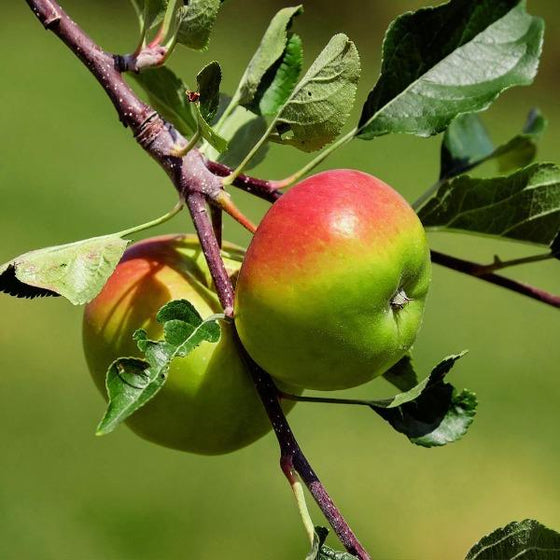
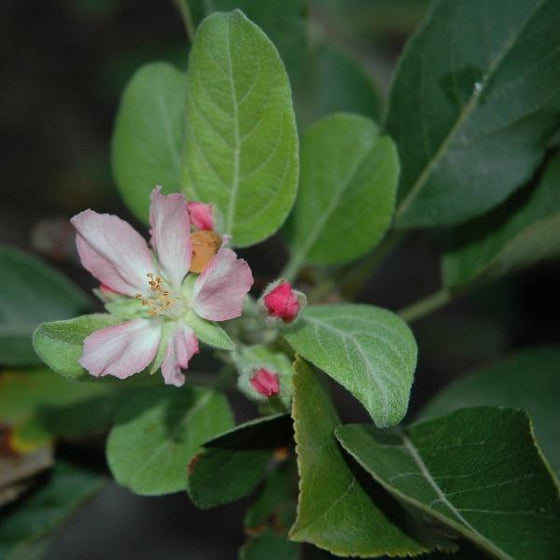


Images Depict Mature Plants
Anna Apple Tree
Malus domestica 'Anna'
Anna Apple Tree is one of those fruit trees that solves a real problem for homeowners in warmer climates. You still get the beauty of spring bloom and the satisfaction of harvesting your own apples, but with a variety that is much better adapted to mild winters. The early harvest, sweet crisp fruit, and manageable size make this a really smart choice for anyone building a backyard orchard in the South or other low-chill regions.
📦 Free shipping on orders over $99.
Delay shipping by leaving us a message at Checkout.
Share:

Early Apples for Warm-Climate Home Orchards
A smart apple tree for mild-winter landscapes
Anna Apple Tree is a standout choice for homeowners who want to grow apples in regions where many traditional varieties struggle. This low-chill apple tree is especially well-suited to warm climates, bringing the beauty and productivity of a backyard orchard to areas with shorter or milder winters.
That makes Anna feel especially useful and excited in the landscape. Instead of giving up on apples altogether, gardeners in southern and warm-weather regions can enjoy a tree that is much better adapted to their conditions while still delivering the classic charm of spring bloom and homegrown fruit.
Sweet, crisp apples with early-season appeal
Anna Apple Tree produces sweet, crisp apples with a bright yellow base and a red blush that makes the harvest look as appealing as it tastes. The fruit is excellent for fresh eating, and it also works well for baking, juicing, and everyday kitchen use when you want apples that feel both practical and rewarding.
One of Anna’s biggest selling points is its earlier harvest season. Rather than waiting deep into fall, homeowners can begin enjoying fruit from late spring into early summer in suitable climates. That earlier timing adds real excitement to the growing season and helps Anna stand apart in an edible landscape.
Spring blossoms and classic orchard character
Before the fruit arrives, Anna Apple Tree brings soft seasonal beauty to the yard with pale pink to white spring blossoms. Its spreading, umbrella-shaped canopy gives it a traditional orchard look that feels right at home in sunny backyards, kitchen gardens, and mixed edible landscapes.
This ornamental value matters. Anna is not simply a utility tree tucked in a corner for fruit production. It has the kind of bloom, shape, and seasonal presence that allows it to work as both a productive planting and a beautiful landscape feature.
Better production with thoughtful pollination
Anna Apple Tree is partially self-pollinating, but it tends to perform better when planted near another apple tree with overlapping bloom. That added cross-pollination can improve fruit set and help support a larger, more dependable harvest, especially for homeowners who want their fruit tree to be as productive as possible.
This makes Anna an excellent starting point for a small backyard orchard. Even adding one more compatible apple tree nearby can make the planting feel more intentional and more rewarding, while also giving homeowners a greater variety in the home harvest.
An easy favorite for edible landscapes
With its manageable size, attractive spring flowering habit, and reliable performance in warm climates, Anna Apple Tree is an easy fruit tree to appreciate. It brings beauty, usefulness, and a strong sense of seasonal payoff to sunny planting spaces.
For homeowners looking to blend ornamental value with edible productivity, Anna checks many boxes. It is approachable, garden-friendly, and especially appealing for anyone who wants fresh apples from a tree that feels naturally suited to their climate.
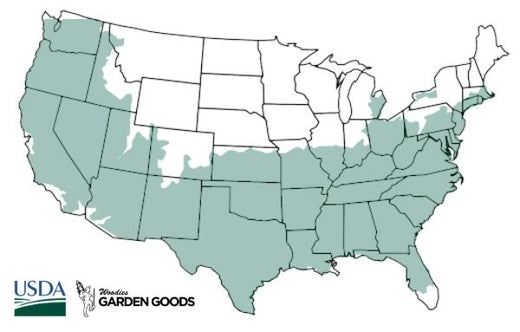
| Hardiness Zone: | 6-9 |
|---|---|
| Mature Height: | 15 to 20 Feet |
| Mature width: | 15 to 20 Feet |
| Sunlight: | Full sun |
| Fruit Time / Color | Late spring to early summer / yellow apples with red blush |
| Bloom Time / Color | Spring / pale pink to white blossoms |
| Pruning Season: | Late winter |
| Soil Condition: | Well-drained soil; loamy soil is ideal |
| Water Requirement: | Moderate; water well until established and during dry periods |
| Taste / Fruit Use | Sweet, crisp, lightly tart; excellent for fresh eating, baking, and juicing |
| Pollination | Partially self-pollinating; improved fruit set with another compatible apple tree nearby |
| Resistance (disease/drought/etc.) | Low chill variety suited to warm climates; best performance with full sun, airflow, and consistent care |
| Landscape Uses | Backyard orchards, edible landscapes, kitchen gardens, sunny specimen planting |
How to Care for Anna Apple Tree
Before you buy an Anna Apple Tree, make sure to read about the recommended care instructions to keep this plant healthy and thriving.

How should I plant Anna Apple Tree?
Plant Anna Apple Tree in a full-sun location with well-drained soil and enough space for its mature canopy to develop. Dig a hole about twice as wide as the root ball and no deeper than the root flare, then set the tree so it sits at the same level it was growing in the nursery container. Backfill with native soil, water deeply, and make sure the planting site drains well after rain. Mulch the root zone with a 2–3 inch layer to help conserve moisture and suppress weeds, but keep mulch pulled back from the trunk. If you are planning a small backyard orchard, place Anna where it has good airflow and enough room for a pollination partner nearby, which can help support a stronger crop over time.

How often should I water Anna Apple Tree after planting?
Water Anna Apple Tree deeply once or twice a week during its first growing season, adjusting for heat, rainfall, and soil type. The goal is to keep the root zone evenly moist while the tree establishes, without allowing the soil to stay soggy. Deep watering encourages stronger root development than shallow, frequent sprinkling. Once established, Anna becomes easier to manage, but it still benefits from regular watering during dry stretches and during flowering and fruit development. Pay special attention in hot weather, since consistent moisture helps support better growth, better fruit size, and a healthier overall tree.

When should I fertilize Anna Apple Tree?
Fertilize Anna Apple Tree in early spring as new growth begins, using a balanced fertilizer suitable for fruit trees. This gives the tree a strong start for the season and helps support healthy canopy growth, flowering, and fruit production without pushing soft late-season growth. Young trees can benefit from a light second feeding in early summer if they need help establishing, but avoid overdoing it. Too much nitrogen can produce excessive leafy growth while reducing fruiting performance, so steady, moderate feeding and healthy soil are usually the best long-term strategy.

When and how should I prune Anna Apple Tree?
Prune Anna Apple Tree in late winter to early spring while the tree is dormant and before vigorous new growth begins. This is the best time to remove dead, damaged, or crossing branches and to shape the canopy for better light penetration and airflow. Good pruning helps the tree stay healthier, more productive, and easier to harvest. Focus on building a strong, open framework with well-spaced branches and a balanced shape. Remove inward-growing shoots, crowded growth, and vigorous upright water sprouts as needed. Annual pruning helps maintain size, encourages fruiting wood, and keeps Anna looking tidy and productive in the landscape.