
Winter Interest Plants
Winter doesn’t have to be gray. The right mix of plants brings evergreen structure, bold texture, colorful foliage, and even cold-season blooms—so your landscape still looks designed in January, not just in June. This collection is built around proven winter performers like Winter Jasmine, Hellebores, Wichita Blue Juniper, ‘Lemon Lime’ Nandina, and Shishi Gashira Camellia, so you can add real curb appeal when most landscapes go quiet.
When you buy winter interest plants online from Garden Goods Direct, you get nursery-grown quality, honest sizing and spacing, and practical tips for site, soil, and moisture—all backed by our "We Grow Together" Promise. Build a four-season foundation that looks polished in January and spectacular in June.
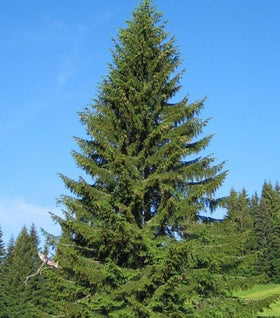
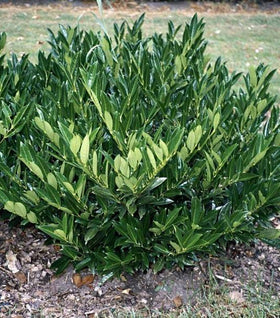
Norway Spruce
As Low As $29.97

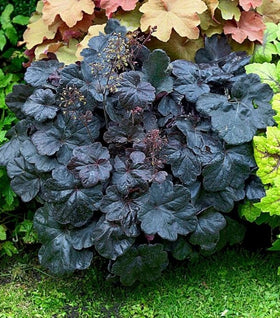
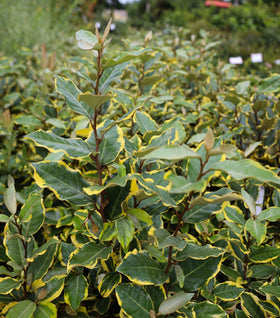
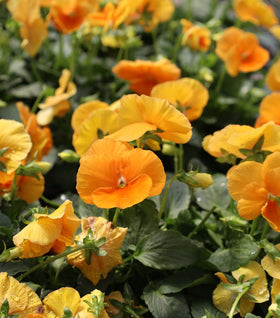



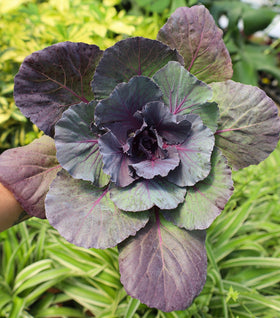
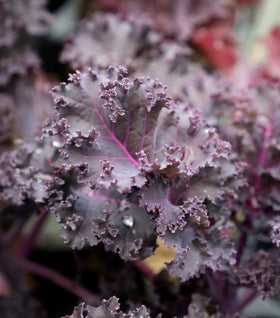
Pigeon Pink Flowering Kale
As Low As $9.95
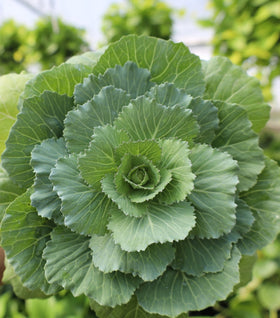
Pigeon Red Flowering Kale
As Low As $9.95
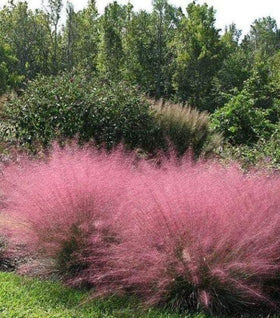
Pigeon White Flowering Kale
As Low As $9.95








Why Winter Interest Matters When the Landscape Sleeps
Winter interest is about structure, contrast, and close-up details. Evergreens create the backbone. Colorful foliage and winter blooms provide the “wow.” And accents like berries and texture keep beds looking intentional even under low winter light.
This collection is designed to deliver those benefits in real landscapes—front foundation beds, entry plantings, screens, and borders—using plants selected for reliability, zone fit, and ease of care (not just “pretty photos”).
What’s Inside This Collection: Evergreens, Winter Bloomers, and Bold Foliage
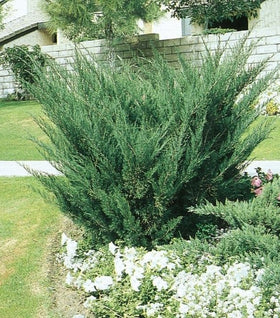
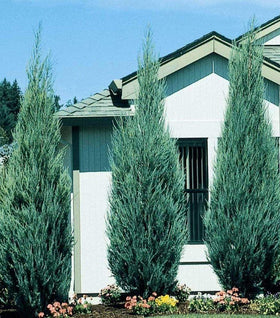
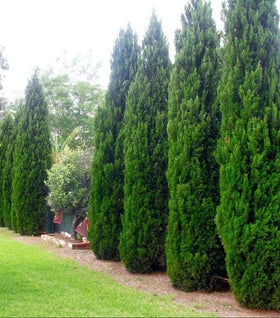
Start with evergreen structure: blue-toned conifers like Wichita Blue Juniper (Juniperus scopulorum ‘Wichita Blue’) deliver winter color and durable form (best in full sun with good airflow).
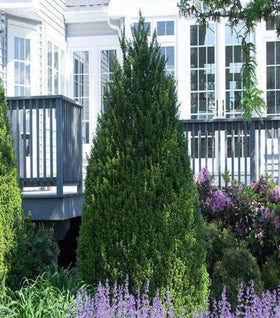
Then add winter bloom moments where they’ll be enjoyed up close. Winter Jasmine (Jasminum nudiflorum) brings cheerful yellow flowers in late winter, while Shishi Gashira Camellia (Camellia sasanqua ‘Shishi Gashira’) offers glossy evergreen foliage and seasonal blooms in milder zones.
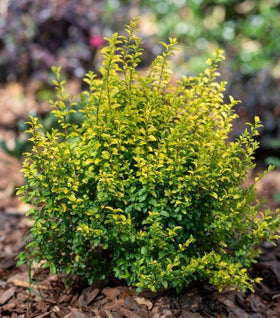
Finally, layer in color and texture plants like ‘Lemon Lime’ Nandina (Nandina domestica ‘Lemon-Lime’)—a bright chartreuse shrub that’s especially useful for lighting up part shade. (Note: this cultivar is often promoted as non-fruiting, so it’s a foliage-first winter color play rather than a berry plant.)
Design Plays That Look Good in January (and Even Better in Spring)
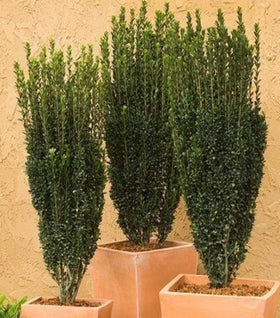
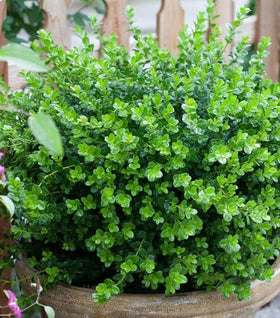
Foundation “always-ready” beds: Repeat tidy evergreens (like boxwood forms) for clean winter lines, then place one or two spotlight plants—camellias by the entry, hellebores near walkways, or nandina where winter light hits.
Privacy + backdrop planting: Use taller evergreens for screening, then layer lower, winter-interest shrubs in front to hide bare stems and give depth. This is how you avoid the “green wall” look and get a landscape that reads designed year-round.
Combine blue needles (junipers), glossy broadleaf evergreens, and winter perennials like hellebores for a high-contrast bed that holds interest even after frost.
Winter-Proof Care, Honest Expectations, and Pro-Level Results
Expectations & Establishment (read this before you plant)
Most shrubs and evergreens spend their first season building roots, not exploding with top growth. Expect the biggest visual payoff in year 2+—and plan your spacing based on mature size, not “how it looks in the pot.” This is also why fall planting and good mulching matter: stable soil temps help roots settle in.
Pro Tips for Winter Interest Success
- Water deeply into late fall and keep watering until the ground freezes (especially for evergreens).
- Apply 2–4 inches of mulch to buffer soil temperature swings and reduce frost heaving.
- For wind-exposed evergreens, use burlap wind protection and avoid heavy pruning in fall or early winter.
- If winter burn is common in your site, consider a breathable anti-desiccant strategy for broadleaf evergreens (and prioritize windbreak placement).
- Place winter bloomers where you’ll see them most—near doors, paths, patios, and windows.
Common Mistakes to Avoid when Planting
- Planting evergreens in soggy soil or poor drainage (winter root stress is real).
- Expecting “instant privacy” in year one—most screens need establishment time to look full.
- Ignoring climate fit: some plants (like camellias) are zone-specific, and some conifers dislike hot/humid conditions.
Best For
- Homeowners who want winter curb appeal without high maintenance
- Foundation beds that look bare after leaf drop
- Entry plantings where winter blooms + evergreen polish matter most
- Gardeners building a four-season backbone (evergreens + winter perennials)
How Garden Goods Helps You Succeed
Every plant here is carefully selected with real landscape performance in mind—reliability, zone suitability, and ease of care—plus clear guidance on site, soil, and moisture requirements. And it’s all backed by our We Grow Together Promise, so you can shop with confidence and plant with a plan