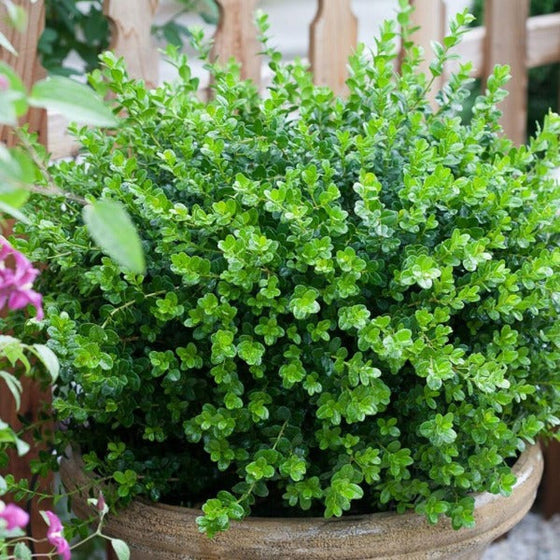
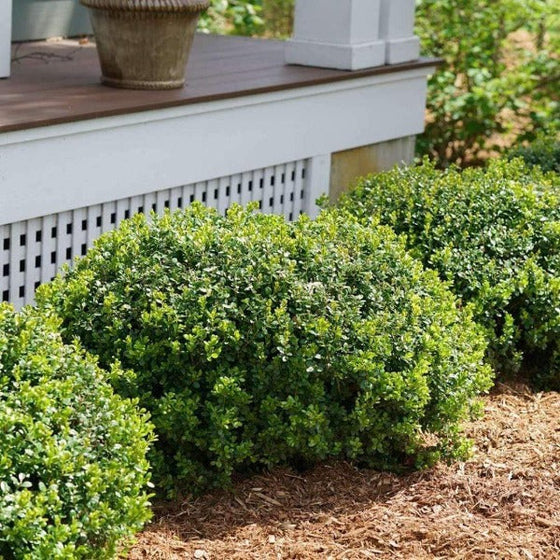
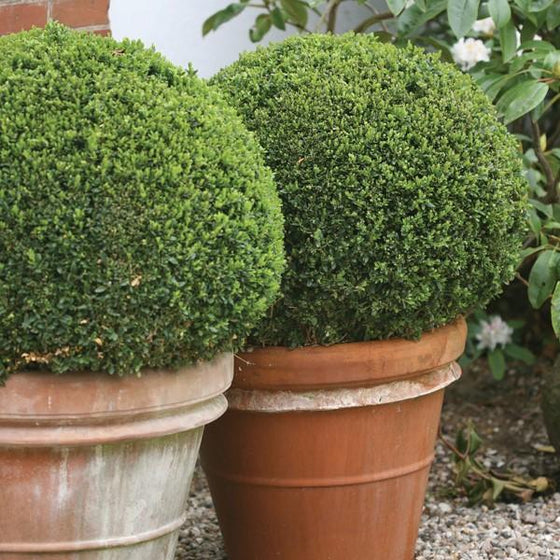
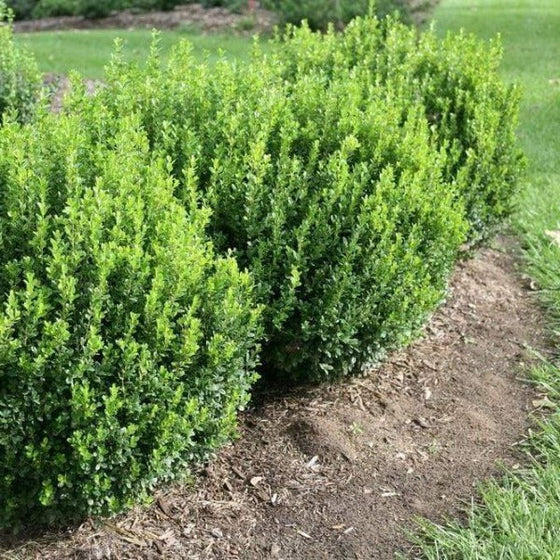


Images Depict Mature Plants
Sprinter® Boxwood
Buxus microphylla 'Bulthouse' PP25896
If you’ve ever planted boxwoods and wished they’d “get on with it” a little faster, Sprinter® is the one I reach for—dense, dark green, and quick to fill in for low hedges and borders that look polished year-round. Give it good drainage, water it deeply in year one, and keep pruning light and timely, and you’ll get that classic boxwood structure without the long wait.

15% OFF SITEWIDE, USE CODE 'FALLPLANT15'
📦 Free shipping on orders over $99.
Delay shipping by leaving us a message at Checkout.
Share:


Sprinter® Boxwood For Faster, Fuller Evergreen Hedges, Borders, And Year-Round Structure
Fast Results For A Polished Boxwood Look
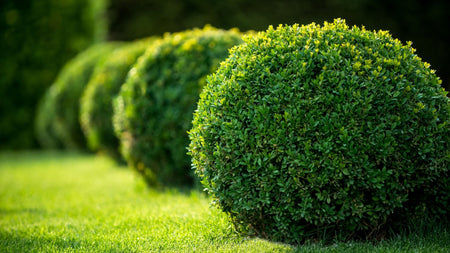
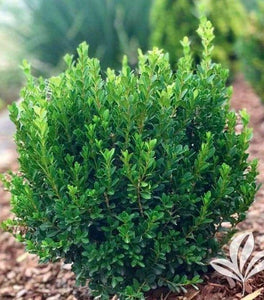
Sprinter® Boxwood is the go-to choice when you want that classic, tailored boxwood look—only sooner. It’s known for a quicker growth rate than many traditional boxwoods, so it fills in faster and helps your landscape look “finished” in less time. The foliage is dense and dark green, providing clean structure to front beds, walkways, and garden borders year-round.
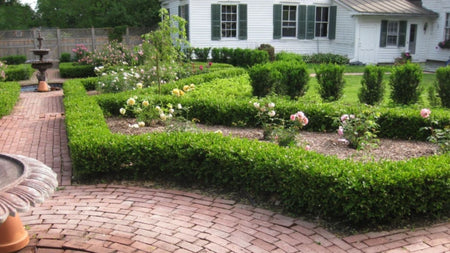
This is a workhorse shrub with a refined feel. Use it to edge a path, define a garden room, or tighten up foundation plantings with consistent evergreen form. If you’re building a low hedge for curb appeal, Sprinter® gives you that crisp, formal line without waiting forever for plants to knit together.
Dense, Upright Habit That’s Easy To Shape
Sprinter® Boxwood typically matures around 3–4 feet tall and 3–4 feet wide, creating a compact evergreen presence that’s substantial but never overpowering. Its naturally upright habit keeps plantings neat and tidy, which is exactly what you want for borders and low hedges. The look is clean enough for formal designs, yet it also blends beautifully with mixed plantings of flowering shrubs and perennials.
Because it’s dense, it responds well to light shaping. You can keep it softly rounded for a more natural look, or shear it for sharper lines in formal beds. Either way, the goal is simple: small trims at the right time to encourage branching and maintain a lush, uniform finish.
Winter-Green Color And Deer Resistance You Can Trust
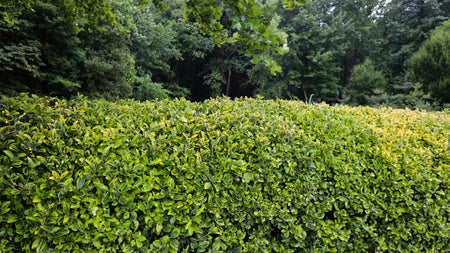
One of Sprinter® Boxwood’s best traits is its ability to hold its rich green color through winter with minimal bronzing. That’s a big deal if you’re using boxwood to anchor the landscape year-round—especially in high-visibility spaces like entryways and front borders. It’s also hardy across Zones 5–9, making it a reliable evergreen structure plant in a wide range of climates.
Sprinter® is also considered deer-resistant. While no plant is completely deer-proof, boxwoods are typically low on the browse list, and Sprinter® is a strong choice when you want evergreen foliage that’s less likely to be nibbled into an uneven mess. That combination—winter color plus deer resistance—makes it a smart long-term investment.
Low-Maintenance Care With Better Blight Tolerance
Sprinter® Boxwood is wonderfully low-maintenance once established, but it rewards a few smart habits early on. Plant it in well-drained soil, water deeply during the first season, and mulch to keep moisture consistent. Water at the base to keep foliage drier, and give each plant enough room for airflow—simple steps that support healthier growth and fewer issues over time.
Sprinter® is also known to have improved tolerance to boxwood blight compared to many of the older varieties. It’s not immune, but good spacing, good airflow, and tidy pruning help reduce risk and keep foliage looking clean. If you want a fast-growing boxwood that stays dense, neat, and dependable, Sprinter® is built for that job.
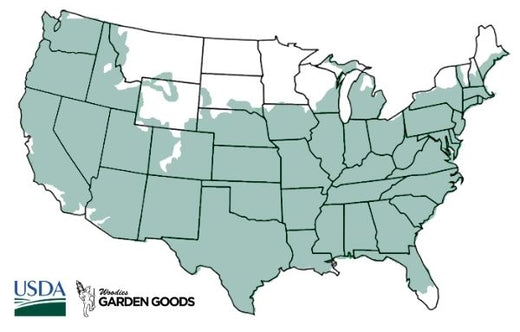
| Hardiness Zone: | 5-9 |
|---|---|
| Mature Height: | 3 to 4 Feet |
| Mature Width: | 3 to 4 Feet |
| Sunlight: | Full sun to part shade |
| Bloom Time / Color: | Spring; inconspicuous |
| Soil Condition: | Any well drained soil |
| Water: | Water well until established; moderate once established |
| Wildlife Value: | Minimal; dense evergreen cover, minor early-season flower value |
| Resistance (deer/disease/drought/etc.): | Deer resistant; improved tolerance to boxwood blight; resists winter bronzing |
| Landscape Uses: | Low hedges, edging, borders, foundation planting, massing, formal gardens, containers |
How to Care for Sprinter® Boxwood
Before you buy an Sprinter Boxwood, make sure to read about the recommended care instructions to keep this plant healthy and thriving.

How should I plant Sprinter® Boxwood?
Choose a site with well-drained soil and full sun to partial shade. Dig a hole about twice as wide as the root ball and just as deep, then set the shrub so the top of the root ball is level with (or slightly above) the surrounding soil for proper drainage. Backfill with native soil, firm gently, and water thoroughly to settle the soil and eliminate air pockets. Finish with a 2–3 inch layer of mulch over the root zone, keeping mulch a few inches away from the stems. If you’re planting a hedge, mark your spacing before digging so the row stays straight and the plants fill in evenly as they mature.

How often should I water Sprinter® Boxwood after planting?
Water deeply right after planting, then aim for a deep soak about once per week during the first growing season. Your goal is to wet the soil to a depth of 6–8 inches so roots grow down and out. During hot or dry stretches, increase to twice per week to prevent the root ball from drying out. After the first year, Sprinter® becomes more drought-tolerant, but it still looks best with occasional deep watering during extended dry periods. Check the soil a few inches down—if it feels dry, it’s time to water—and keep mulch refreshed to reduce moisture swings.

When should I fertilize Sprinter® Boxwood?
Fertilize in early spring, just before new growth begins, using a balanced, slow-release fertilizer for shrubs or evergreens. Apply around the root zone (not against the stems) and water it in well so nutrients move into the soil where roots can access them. If your soil is lean or growth seems sluggish, a lighter mid-summer feeding can help support density and color. Avoid heavy late-season fertilizing, which can push tender new growth too late and increase winter stress.

When and how should I prune Sprinter® Boxwood?
Prune lightly in late winter or early spring before strong new growth begins. Start by removing any dead, damaged, or crossing branches, then shape the outside edges to maintain a tidy outline. Keep pruning modest—avoid cutting back more than about one-third of the plant at a time. For crisp formal lines, a light in-season touch-up can help, but avoid heavy pruning in late fall. Occasional interior thinning improves airflow and light penetration, supporting healthier foliage and helping reduce disease pressure over time.