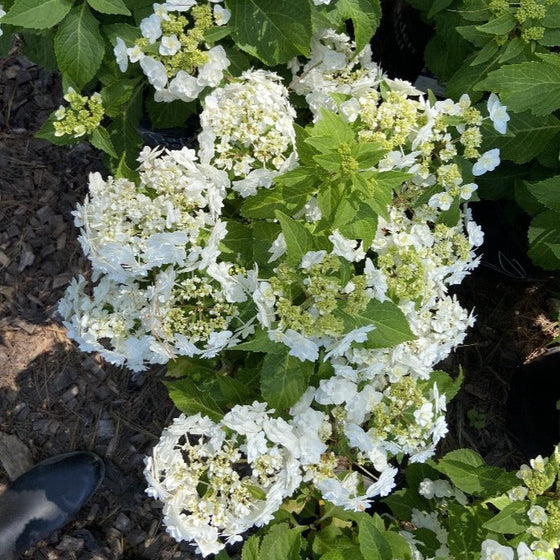


Images Depict Mature Plants
Wedding Gown™ Hydrangea
Hydrangea macrophylla 'Dancing Snow' Plant Patent #21052
Wedding Gown™ is what I plant when someone wants hydrangea elegance without the oversized shrub—those double white blooms really do look like tiny bouquets, and the whole plant feels crisp and intentional in a shaded border or a pair of big patio pots. Keep the soil evenly moist, give it that morning sun/afternoon shade comfort, and stay gentle with pruning so you protect the flower buds—and you’ll get a season that feels like it just keeps going.

15% OFF SITEWIDE SUMMER SALE
Use Code HELLOSUMMER15 at Checkout!
📦 Free shipping on orders over $99.
Delay shipping by leaving us a message at Checkout.
Share:


Wedding Gown™ Hydrangea Double White Blooms For Shade And Containers
Double White “Bouquet” Blooms That Look Fresh All Season
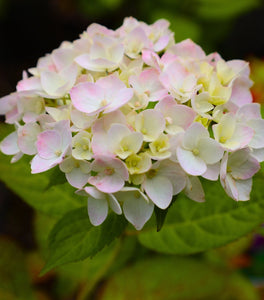
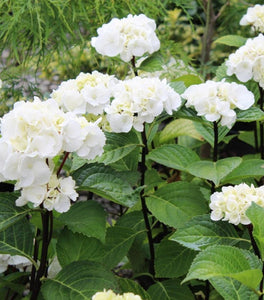
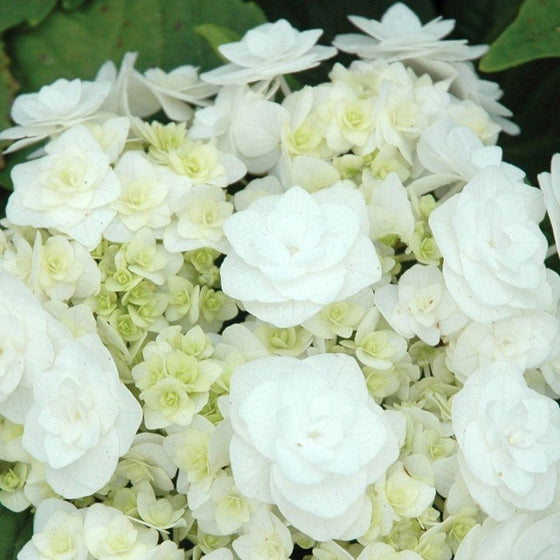
Wedding Gown™ Hydrangea is the kind of plant that makes people walk closer. Each bloom cluster looks like a tiny bridal bouquet—layered, full, and noticeably “double,” with a refined white tone that brightens shady borders and entry plantings. It’s a bigleaf hydrangea with a more detailed, elevated flower style, so it pairs beautifully with classic foundation shrubs, cottage perennials, and crisp evergreens.
Instead of one quick bloom moment, this variety is known for extending the show when you keep up with light deadheading. In many gardens, flowers begin in late spring to early summer and continue in waves through the season, giving you that “always in bloom” feeling that’s hard to find in a compact shrub.
Compact, Tidy Size That Fits Beds Without Taking Over
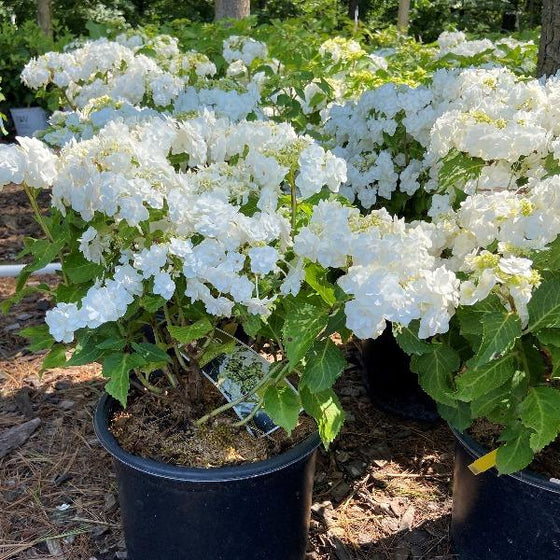
If you love hydrangeas but hate the “where do I put this when it’s grown?” problem, Wedding Gown™ solves it. It’s naturally compact for a bigleaf type, making it easy to tuck into small foundation beds, front borders, and mixed shrub plantings where you want flowers without bulk. Many growers list it at roughly 3–4 ft, while plant-trial references often describe a shorter height with a wider spread—either way, it’s designed to stay manageable and garden-friendly.
This size also makes it a strong candidate for repeating in a planting (one of the simplest ways to give a landscape a designed feel). Use two or three along a walkway, or flank a porch with matching containers for a symmetrical, high-end look that doesn’t require constant pruning to keep it in bounds.
Shade-Loving Performance With A Long Bloom Window
Wedding Gown™ is happiest in part shade—especially morning sun with afternoon shade in warmer climates—where foliage stays lush, and blooms hold their color longer. In cooler climates, it can handle more sun if you keep moisture consistent, but it still appreciates protection from harsh late-day heat. The result is a hydrangea that looks polished in real-life yards, not just in perfect display gardens.
Because it’s a white-blooming hydrangea, you’re not chasing soil pH to change the color. Instead, you’re focusing on the things that actually drive the “wow”: consistent moisture during growth, a mulch ring to stabilize the root zone, and siting that avoids crispy leaf edges. When those basics are right, this plant earns its keep for months.
Easy Care With Pruning That Protects Next Season’s Flowers
The smartest thing about Wedding Gown™ is also the easiest to mess up: pruning timing. This hydrangea is often described as a rebloomer that can flower on both old and new growth, which means it has more flexibility than many bigleaf types—but it still benefits from the “prune after flowering” mindset to protect buds and keep the show strong.
Think gently, not aggressively. Remove spent blooms to encourage additional flowering, clean out dead wood once you can see what’s alive in spring, and do shaping cuts right after a bloom flush if you need them. With that approach, you get a tidy plant, reliable flowers, and none of the heartbreak that comes from pruning away the season you were waiting for.
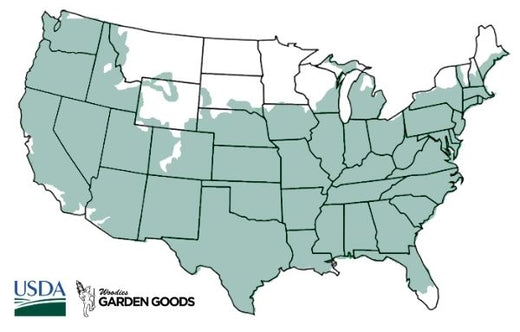
| Hardiness Zone: | 5-9 |
|---|---|
| Mature Height: | 2 to 4 feet |
| Mature Width: | 3 to 5 feet |
| Sunlight: | Part shade; morning sun/afternoon shade preferred in warm climates |
| Bloom Time / Color | Late spring through summer (often into fall with deadheading); double white blooms |
| Pruning Season: | Prune in late winter, flowers on new wood |
| Soil Condition: | Moist, well-drained, organic-rich preferred |
| Water Requirements: | Moderate; consistent moisture for best bloom quality |
| Wildlife Value | Seasonal pollinator interest in mixed plantings |
| Resistance (deer/disease/drought/etc.) | Not deer resistant; best with mulching and steady moisture |
| Landscape Uses: | Extremely attractive when used as a focal point in the mixed border, mass planting, containers, or a specimen planting |
How to Care for Wedding Gown™ Hydrangea
Be sure to read our planting instructions to ensure a healthy and happy Wedding Gown™ Hydrangea plant for years to come!
-v1770913813653.png?92x91)
How should I plant Wedding Gown™ Hydrangea?
Plant Wedding Gown™ Hydrangea in part shade with well-drained soil that stays evenly moist. Dig a hole about twice as wide as the root ball and just as deep, set the plant so the top of the root ball is level with the surrounding soil, then backfill and water deeply to settle roots. If your soil is sandy or thin, mix in compost to improve moisture-holding and root development. Finish with a 2–3 inch mulch ring to keep roots cool and reduce evaporation, keeping mulch a few inches away from the stems. Place it where you can enjoy the blooms up close—near an entry, along a path, or beside a patio—because the double flowers are a detail plant that rewards proximity.
-v1770913862778.png?89x84)
How often should I water Wedding Gown™ Hydrangea after planting?
For the first 2–3 weeks, water every 2–3 days so the root zone stays evenly moist (not soggy), especially during warm or windy weather. After that, transition to deep watering about once per week, adjusting up during heat or drought. A slow soak at the base is best, because it encourages deeper roots and a sturdier plant. Once established, this hydrangea still performs best with consistent moisture during late spring and summer when it’s setting buds and blooming. In containers, expect to water more often, because pots dry out faster—especially on sunny porches and near warm walls.
-v1770913885756.png?90x89)
When should I fertilize Wedding Gown™ Hydrangea?
Fertilize in early spring as new growth begins using a balanced, slow-release fertilizer. This supports steady growth and bloom production without pushing overly soft, leafy growth. If you prefer a gentler routine, top-dress with compost and refresh mulch each spring—healthy soil often matters more than heavy feeding. Avoid strong fertilizing late in summer, which can encourage tender growth at the wrong time. If the plant is in a container, use a light, steady feeding plan and flush the pot occasionally with water to prevent salt buildup.

When and how should I prune Wedding Gown™ Hydrangea?
Prune with a light touch and good timing. In early spring, remove only dead wood once you can clearly see which stems are alive. For shaping, do your cuts right after a bloom flush, because bigleaf hydrangeas can set buds for next year on older stems, and late pruning can reduce flowers. Deadheading spent blooms is usually the most helpful “pruning” for this plant, especially if you’re encouraging repeat flowering. If the shrub becomes crowded over time, thin selectively by removing a small number of older stems at the base—gradual refresh beats hard pruning.