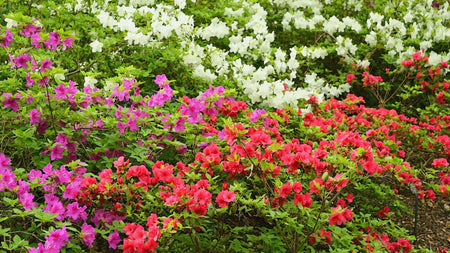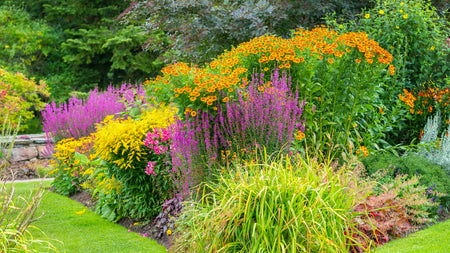
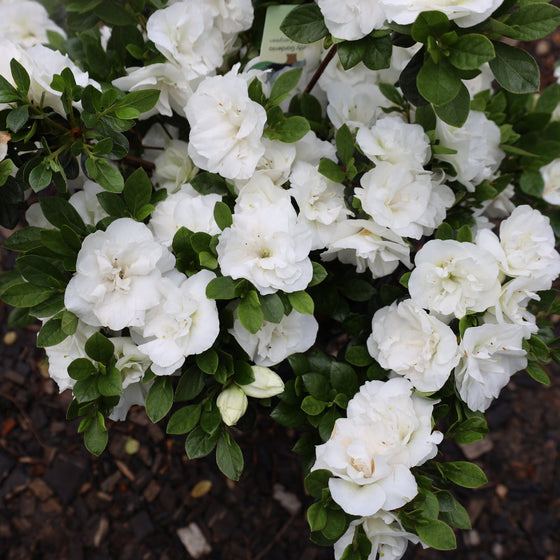


Images Depict Mature Plants
Hardy Gardenia Azalea
Rhododendron x 'Hardy Gardenia'
Hardy Gardenia is the azalea I reach for when someone wants a refined, classic look—compact evergreen structure, vanilla-white spring blooms, and that gardenia-like charm without needing a big, fussy shrub. Give it bright part shade, good drainage, and steady moisture while it settles in, and it’ll make your foundation bed look finished year after year.

Save Up to 25% On Your Order! Limited Time Only!
Discount Applied Automatically At Checkout
📦 Free shipping on orders over $99.
Delay shipping by leaving us a message at Checkout.
Share:


Hardy Gardenia Azalea With Fragrant Vanilla-White Blooms And Compact Evergreen Form
Fragrant White Blooms That Brighten Part-Shade Gardens
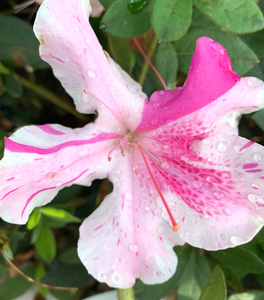
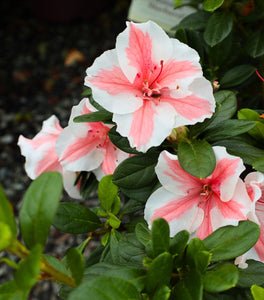
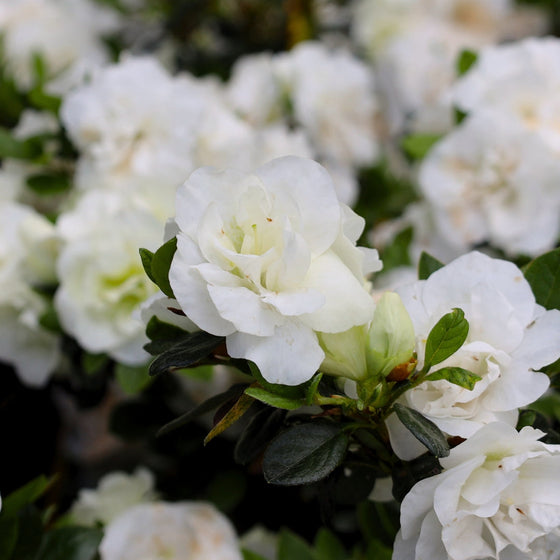
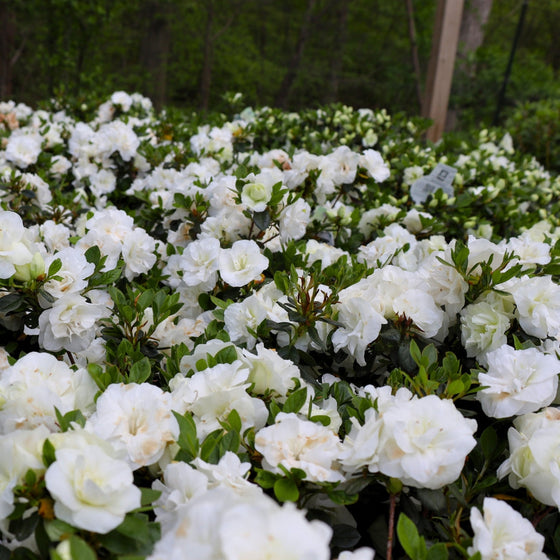
Hardy Gardenia Azalea brings a soft, elegant look to spring landscapes with creamy vanilla-white flowers that stand out in partial shade. The bloom color reads clean and bright against dark green foliage, making it a beautiful choice for foundation beds, shaded borders, and entry plantings where you want a “fresh” look that doesn’t rely on loud color to make an impact. In the right spot, it flowers generously and gives the bed that finished, intentional feel that makes everything around it look more designed.
What really sets this azalea apart is the gardenia-like charm—light fragrance and a refined flower style that feels a step above typical spring shrubs. White blooms are also incredibly versatile in design: they pair effortlessly with pink and purple spring bulbs, blue perennials, and deep evergreen backdrops. If you’re building a calm, classic palette (or a bright “moon garden” feel), Hardy Gardenia is an easy win.
Compact Size That Fits Small Spaces And Foundation Beds
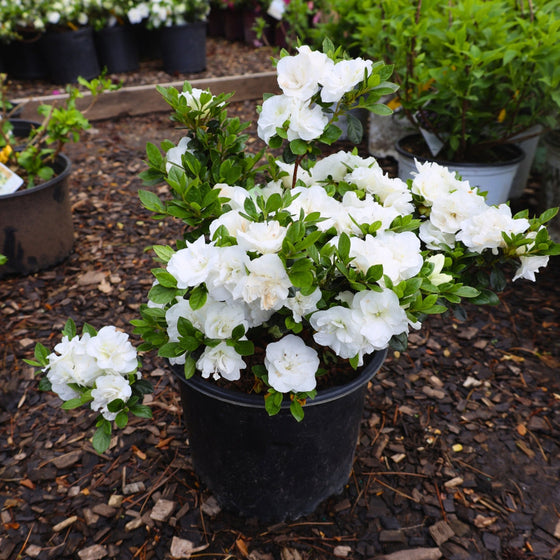
If you love azaleas but don’t have room for a big shrub, Hardy Gardenia is made for you. It stays compact—typically around 2–3 feet tall and 2–3 feet wide—so it fits neatly under windows, along walkways, and at the front of mixed beds without swallowing the space. The habit is upright and tidy, which means it looks polished even with minimal pruning and blends naturally into modern foundation designs.
That compact size also makes it a strong candidate for repeating in a border. Use it as a low, evergreen “rhythm” plant that anchors seasonal color, or mass it in a small grouping for a concentrated spring display. It’s also an excellent companion to larger shrubs (hydrangeas, hollies, conifers) because it fills the lower layer with evergreen structure and spring bloom without competing for the same visual space.
Evergreen Structure For Four-Season Curb Appeal
Hardy Gardenia Azalea keeps dark green foliage year-round, which is one of the biggest reasons gardeners reach for evergreen azaleas in the first place. Even when it’s not blooming, it gives beds shape, density, and that “landscaped on purpose” look—especially through fall and winter when many flowering plants disappear. If you’re trying to keep a front foundation bed looking cared-for in every season, this shrub does quiet, consistent work.
Evergreen foliage also makes your other plants look better. It provides contrast behind perennials, groundcovers, and seasonal annuals, and it helps unify a bed with a stable green base. Add mulch to keep roots cool, and you’ll maintain a healthy canopy that stays attractive long after spring bloom ends. In short: you’re not just buying flowers—you’re buying structure.
Easy Success With Filtered Sun, Drainage, And Steady Moisture
This azalea performs best in part shade to filtered sun—think morning sun and afternoon shade, or dappled light beneath taller trees. That light level supports strong flowering while protecting foliage from harsh late-day stress. Too much deep shade can reduce blooms, while intense sun without consistent moisture can make the plant struggle. Give it bright, filtered light, and it will reward you.
Drainage matters just as much as light. Azaleas like evenly moist soil, but they cannot sit in water. Plant in any well-drained soil, improve heavy areas with organic matter, and mulch to stabilize moisture without turning the root zone soggy. With steady watering during establishment and a simple, well-drained planting setup, Hardy Gardenia becomes a low-fuss evergreen that looks refined and blooms reliably.
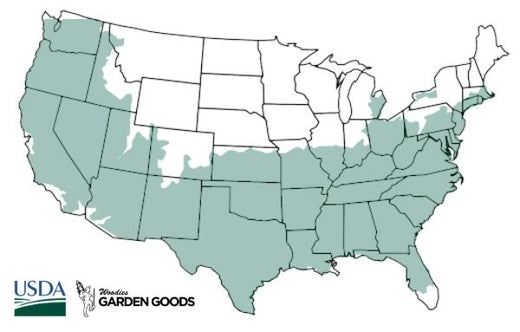
| Hardiness Zone: | 6-9 |
|---|---|
| Mature Height: | 2 to 3 Feet |
| Mature Width: | 2 to 3 Feet |
| Sunlight: | Part shade to filtered sun |
| Bloom Time / Color: | Spring; vanilla-white |
| Pruning Season: | Prune immediately after flowering, Pruning rarely needed |
| Soil Condition: | Any well-drained soil (best with organic richness and slight acidity) |
| Water Requirements: | Water well until established; then keep evenly moist |
| Wildlife Value: | Flowers can attract pollinators when blooming |
| Resistance (deer/disease/drought/etc.): | Deer: not deer-proof; best disease resistance with airflow + well-drained soil |
| Landscape Uses: | Mixed borders, foundation beds, shade gardens, containers, small-space accents |
How to Care for Hardy Gardenia Azalea
Be sure to read our planting instructions to ensure a healthy and happy Hardy Gardenia Azalea plant for years to come!
-v1771008349968.png?92x91)
How should I plant Hardy Gardenia Azalea?
Choose a site with part shade to filtered sun and soil that drains well after rain. Dig a hole twice as wide as the root ball and about as deep, then set the plant so the top of the root ball is level with (or slightly above) the surrounding soil. Backfill with native soil improved with organic matter like compost or pine bark fines to support healthy roots and the mild acidity azaleas prefer. Water deeply to settle the soil, then apply a 2–3 inch mulch layer to keep roots cool and moisture consistent (keep mulch a few inches away from the stems). Avoid low spots where water collects—azaleas want consistent moisture, but they do not tolerate soggy soil.
-v1771008371228.png?89x84)
How often should I water Hardy Gardenia Azalea after planting?
Water thoroughly right after planting, then keep the root zone evenly moist for the first several weeks. A practical routine is to check the top inch of soil; if it feels dry, water slowly at the base so the entire root zone is moistened. In warm weather or in sandy soil, that may mean watering a few times per week at first, while cooler weather may require less frequent watering. After the plant begins to establish, transition to deeper watering about once per week, increasing during heat or drought. Mulch helps reduce quick dry-outs, which is especially important because azaleas have shallow roots. The goal is steady moisture with excellent drainage—never bone dry, never swampy.
-v1771008392890.png?90x89)
When should I fertilize Hardy Gardenia Azalea?
Fertilize in early spring as new growth begins using an azalea/rhododendron fertilizer or a gentle, balanced slow-release product suitable for acid-loving plants. Apply around the drip line, water it in, and keep fertilizer off the stems. A moderate feeding supports healthy foliage and bud development without forcing weak, overly soft growth. If you prefer an even simpler approach, top-dress with compost and refresh mulch annually to build healthier soil over time. Avoid late-season fertilizing, which can push tender growth at the wrong time and reduce overall performance going into colder weather.

When and how should I prune Hardy Gardenia Azalea?
Pruning is usually minimal, but if you need to shape the plant, do it right after spring flowering finishes. Start by removing any dead or damaged stems, then lightly tidy the outline to keep a compact, neat form. Pruning later in summer or fall can remove next year’s flower buds, reducing bloom. For long-term success, focus on spacing, mulch, and moisture more than heavy cutting. If a plant ever becomes woody or uneven, renovate gradually over a couple of seasons rather than cutting hard all at once. A gentle post-bloom tidy is typically all this compact azalea needs.