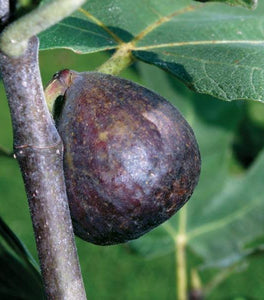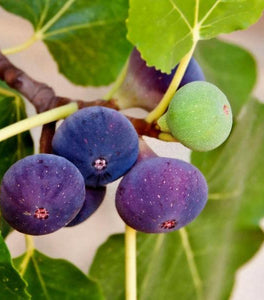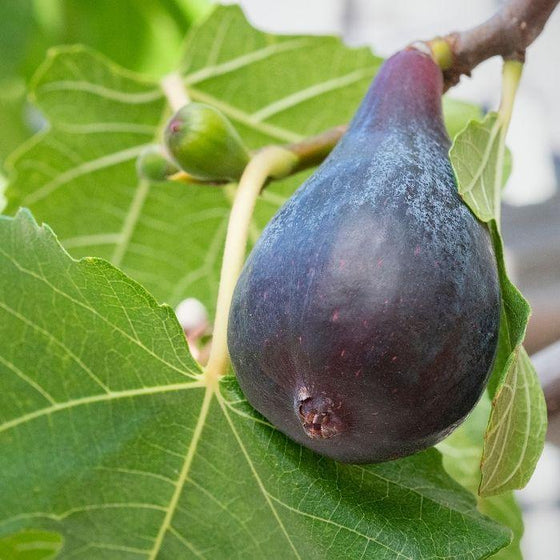
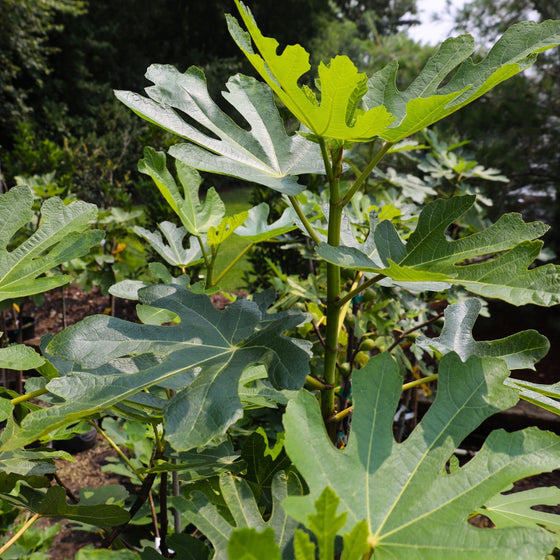
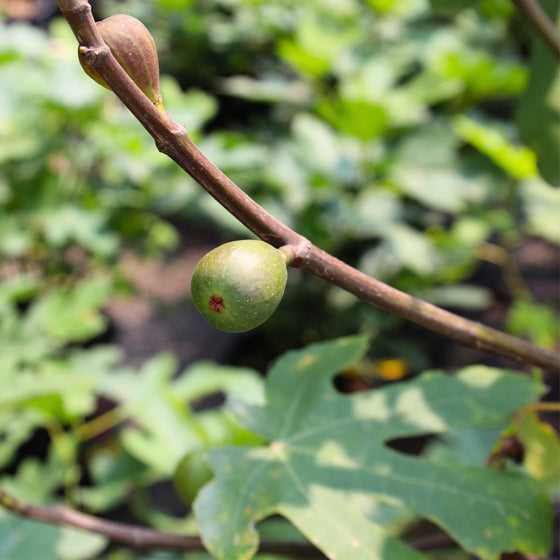
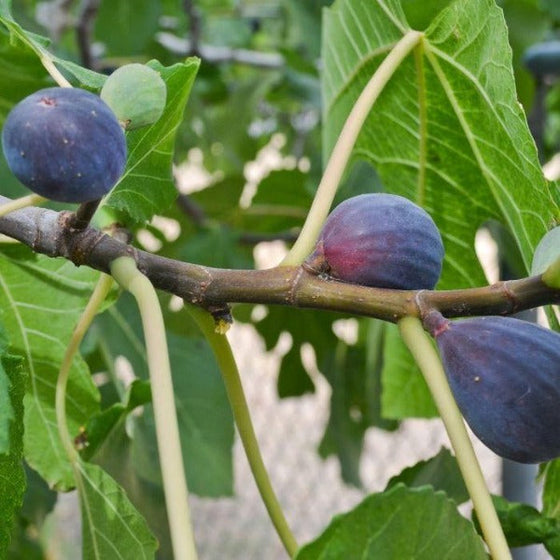
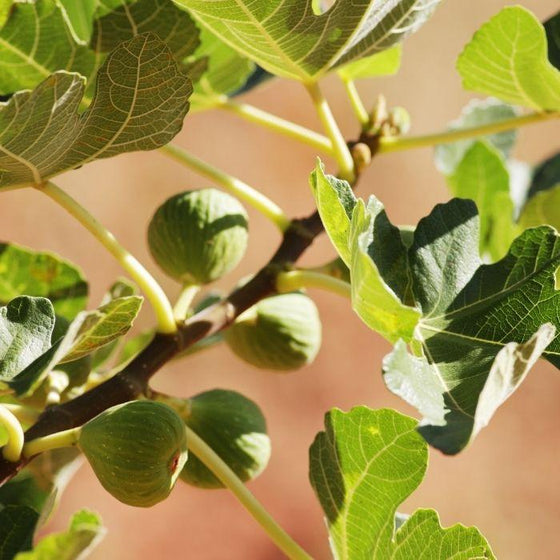


Images Depict Mature Plants
Ficus carica ‘Black Mission’ (Black Mission Fig Tree)
Ficus carica 'Mission'
Black Mission Fig is one of those “plant it once, enjoy it for years” trees—sweet figs, big tropical-looking leaves, and a canopy you can prune to fit your space. I love it for patios and backyards because it serves double duty: providing edible harvests while also offering real shade and privacy. Give it sun, give it drainage, water it well until established, and it rewards you with the kind of homegrown fruit that makes store-bought figs feel like a compromise.

Use Coupon Code: NEWYEAR
Take an Extra 30% Off Everything on Our Site
📦 Free shipping on orders over $99.
Delay shipping by leaving us a message at Checkout.
Share:


Buy Black Mission Fig for Sweet Fruit, Fast Rewards, and Backyard Privacy
Buy a Black Mission Fig Tree for Sweet, Homegrown Figs
Black Mission Fig is a classic edible fig tree prized for its rich, sweet fruit and “why didn’t I plant this sooner?” ease of care. Garden Goods Direct highlights that it can fruit earlier than many fruit trees and commonly provides two harvest windows—a major win for customers who want real payoff from their landscape.
If you’re ready to buy a Black Mission Fig Tree online, this is the variety that turns patios and backyards into a true edible oasis—fresh figs for snacking, cooking, and preserves, straight from your own tree.
A Big Canopy You Can Keep Small with Pruning
Left unpruned, the Black Mission Fig can develop a broad, tropical-looking canopy and may reach 15–30 feet in height and 15–30 feet in width. The good news is that with consistent pruning, you can keep it much smaller, making it practical for tighter spaces and easier harvesting.
Its spreading, umbrella-like shape also makes it a smart “dual-purpose” purchase: fruit production plus shade and a softer, more private backyard feel.
Sun, Drainage, and Simple Establishment Watering
For best fruiting, plant in full sun to part shade, and aim for at least 4 hours of direct sunlight per day. Choose well-drained soil—figs dislike soggy roots, and drainage is the difference between steady growth and long-term disappointment.
Water well until established, then this tree becomes far more forgiving. Many sources emphasize that once rooted in, Black Mission Fig can be quite drought-tolerant, especially compared to other backyard fruit trees.
Edible Shade, Backyard Privacy, and a Productive Screen
Black Mission Fig is more than a fruit tree—it’s a landscape feature. Plant it to shade a patio, create a lush focal point, or build a living screen. Garden Goods Direct even notes using figs for privacy and recommends spacing them for optimal airflow when used as a screen.
Want a productive “privacy row”? Plant multiple figs with room to breathe, then prune to maintain height, width, and easy access for harvest. You’ll get structure, coverage, and a delicious return on space.
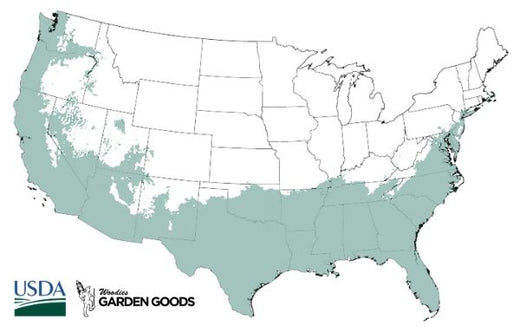
| Hardiness Zone: | 7-10 |
|---|---|
| Mature Height: | 15 to 30 feet without pruning |
| Mature width: | 15 to 30 feet without pruning |
| Sunlight: | Full sun to part shade (best fruiting with direct sun) |
| Fruit Color: | Dark purple / purplish-black |
| Bloom / Fruit | Two crops commonly noted; harvest often early spring and early fall |
| Soil Condition: | Any well drained soil |
| Water Requirement: | Water well until established |
| Resistance | Drought tolerant once established |
| Landscape Uses | Edible landscaping, patio shade, privacy/screen planting |
How to Care for Ficus carica ‘Black Mission’ (Black Mission Fig Tree)
Be sure to read our planting instructions to ensure a healthy, happy, and fruit-producing Black Mission Fig Tree for years to come!
-v1768406057750.png?92x91)
How should I plant Black Mission Fig Tree?
Pick a planting site with full sun to part shade and well-drained soil. Dig a hole 2–3 times wider than the root ball and approximately the same depth, then set the tree so that the root flare is at soil level (do not bury the trunk). Backfill with native soil, firm gently, and water deeply to settle soil around the roots. Space your tree with its mature canopy in mind (or your pruning plan if you’re keeping it smaller). Add a 2–3 inch mulch ring to protect roots and reduce moisture swings, keeping mulch a few inches away from the trunk. Spring through early fall planting works well in warm-zone fig regions; just prioritize consistent watering through the first season.
-v1768406084882.png?89x84)
How often should I water Black Mission Fig Tree after planting?
During the establishment period, water deeply and consistently—especially in the first 6–10 weeks. A common approach is to deep-water 1–2 times per week, adjusting for rainfall and heat so that the root zone stays evenly moist but not soggy. Once established, Black Mission Fig is often described as drought-resistant and needs far less supplemental watering. During hot, dry periods, provide a deep soak to support steady fruit sizing and reduce stress, but avoid constant surface watering that encourages shallow root development.
-v1768406122152.png?90x89)
When should I fertilize Black Mission Fig Tree?
Fertilize in spring as growth begins, using a balanced slow-release fertilizer to support leaf growth and fruit production without forcing weak, overly fast shoots. If your tree is growing vigorously, continue to feed moderately; over-fertilizing can encourage excessive leaf growth at the expense of fruit production. For an organic route, top-dress with compost and refresh mulch annually to improve soil structure and moisture retention. If you’re growing in a container, use a gentle, consistent feeding schedule during the growing season, as nutrients wash out more quickly in pots.

When and how should I prune Black Mission Fig Tree?
Pruning is a method used to control size and improve harvest accessibility. Garden Goods Direct lists pruning seasons as late spring and late fall, and many growers prune to maintain a manageable, open canopy that improves light penetration and airflow. Start by removing dead, damaged, or crossing branches, then shorten vigorous shoots to maintain a height that allows you to pick comfortably. If you’re training for a patio shade or a privacy screen, prune to maintain a broad, spreading structure while preventing overcrowding. Your goal is a productive tree that stays easy to manage year after year.