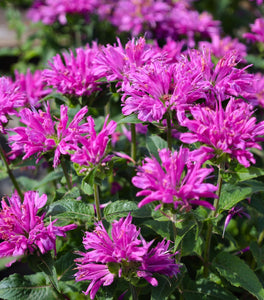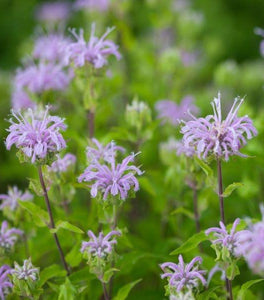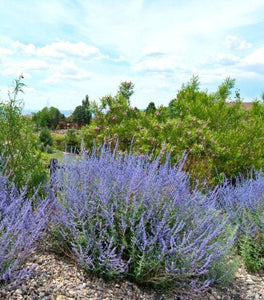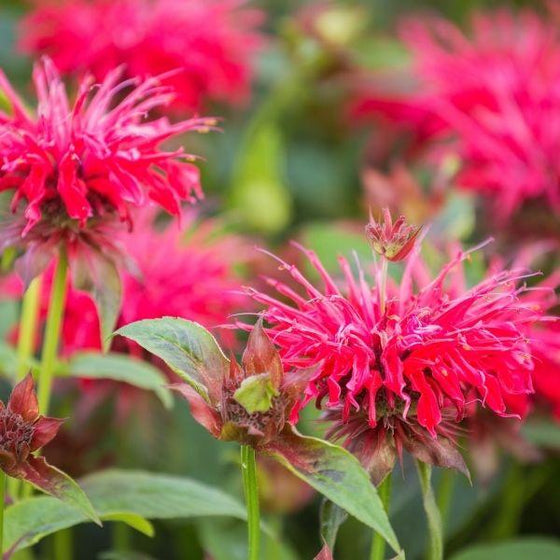
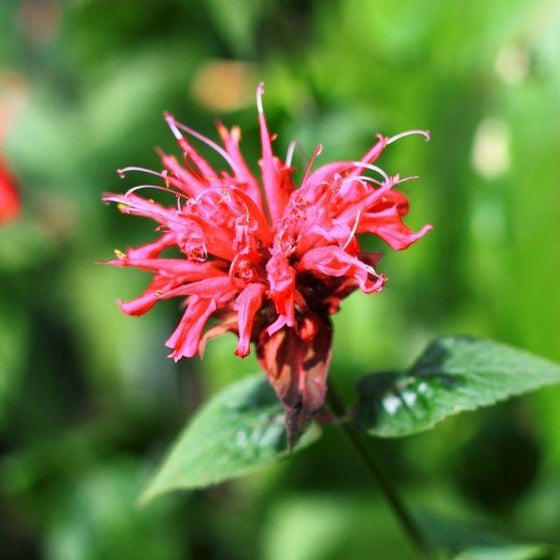
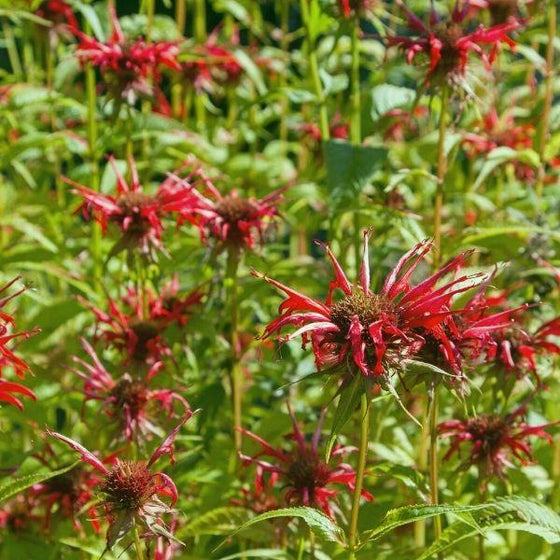
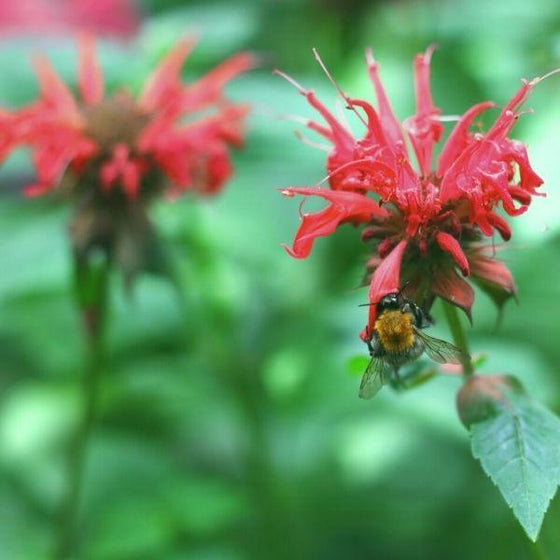


Images Depict Mature Plants
Raspberry Wine Bee Balm
Monarda didyma 'Raspberry Wine'
Raspberry Wine is one of those “plant it and enjoy the show” perennials Wine-red blooms that feel bold without being loud, a spicy fragrance when you brush past it, and a steady stream of hummingbirds and pollinators once it gets going. Give it sun, keep the soil evenly moist while it settles in, and space it so it can breathe, and you’ll get a cleaner, fuller clump that looks great all summer long.

20% OFF SITEWIDE SALE
Use Code 'OCTOBER20' At Checkout
📦 Free shipping on orders over $99.
Delay shipping by leaving us a message at Checkout.
Share:Recommended Add-Ons


Raspberry Wine Bee Balm For Wine-Red Blooms And Pollinator Energy
Wine-red flower power that brings hummingbirds in close
Raspberry Wine Bee Balm puts on a summer show with rich, wine-red blooms that sit proudly on tall, upright stems. The buds really do look like raspberries, then open into tufted, tubular flowers that feel bold and “alive” in the border, especially when planted in repeating drifts. This is the kind of color that reads from across the yard and makes your garden feel like it has a centerpiece, not just a collection of plants.
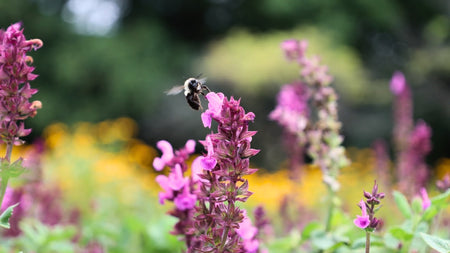
And the wildlife action is real. Hummingbirds, butterflies, and bees flock to bee balm, turning a simple planting into an experience you can watch from the patio. Place it where you’ll see the traffic—near a walkway, beside outdoor seating, or behind shorter perennials, so the blooms hover at eye level and the movement becomes part of the garden’s charm.
Fragrant foliage with that classic bee balm “herbal” scent
Raspberry Wine doesn’t stop at flowers. Its dark green leaves have handsome wine-toned highlights, and the foliage releases a spicy, minty fragrance when brushed, one of the reasons bee balm has been used historically for tea. That scent adds a sensory layer to sunny borders and pollinator plantings, especially near paths where you naturally pass close.
The clump-forming habit makes it easy to design with. It fills space without turning into a bully when you give it proper room, and it plays beautifully with coneflowers, rudbeckia, salvias, ornamental grasses, and summer shrubs. If you want a plant that looks great, smells great, and adds life to the garden, this one checks all three boxes.
A strong garden performer when you plant for airflow
Bee balm’s main “watch-out” is powdery mildew, and the simplest prevention is good air circulation and base watering. Raspberry Wine is known for solid performance, but it still benefits from spacing so that breezes can move through the stems. Plant it in full sun for the most flowers, or give it a bit of afternoon shade in the hottest southern climates to help blooms last longer.
Soil matters too: well-draining conditions keep roots healthier over time. Bee balm likes consistent moisture, but it doesn’t want to sit in wet soil, especially in winter. When you balance moisture with drainage and avoid overhead watering late in the day, foliage stays cleaner and the planting looks more polished through the season.
Easy maintenance for longer bloom and a cleaner late-season look
Raspberry Wine Bee Balm is a rewarding plant because the care is simple, and it pays you back fast. Deadheading spent blooms keeps the planting looking fresh and can encourage more flowering. After the main bloom, cutting stems back can refresh the clump and help it avoid looking tired late in the season.
For best long-term results, treat spacing and pruning as part of the “design.” Give it room (and light), keep the base watered during dry spells, and tidy the plant at the right time. Do that, and you’ll have a dependable, wine-red pollinator perennial that returns strong and looks intentionally planted year after year.
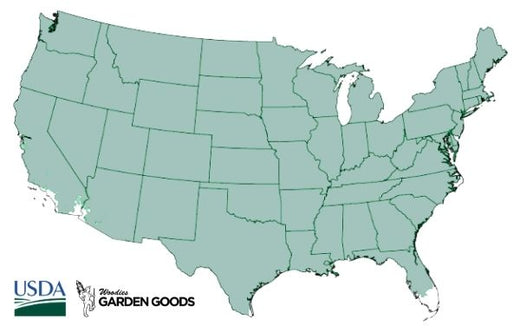
| Hardiness Zone: | 3-9 |
|---|---|
| Mature Height: | 2 to 3 Feet |
| Mature Width: | 1 to 2 Feet |
| Sunlight: | Full Sun to Part Shade |
| Bloom Time / Color | Early summer to early fall; wine-red |
| Soil Condition: | Well-draining soil; dry/average to sandy soils work well when established |
| Water Requirements: | Water well until established; prefers evenly moist soil during active growth |
| Wildlife Value | Attracts hummingbirds, butterflies, bees, and other pollinators |
| Resistance (deer/disease/drought/etc.) | Deer resistant; manage powdery mildew with airflow + base watering |
| Landscape Uses | Mixed borders, mass plantings, pollinator gardens, cottage gardens, focal color, cut flowers |
How to Care for Raspberry Wine Bee Balm
Before you purchase your Raspberry Wine Bee Balm, be sure to read the recommended care instructions to ensure your plant remains happy and healthy for years to come.
-v1772657667456.png?92x91)
How should I plant Raspberry Wine Bee Balm?
Plant Raspberry Wine Bee Balm in spring or early fall in full sun to part shade with well-draining soil. Dig a hole about twice as wide as the root ball, set the plant at the same depth it was in the pot, backfill, and water deeply to settle. Mulch 2–3 inches to hold moisture, keeping mulch slightly away from the crown. Choose a site with good air movement and avoid crowding it between dense shrubs. If you’re planting in a group, lay plants out first so spacing stays consistent—good spacing is the easiest way to grow a fuller clump with cleaner foliage and stronger bloom

How often should I water Raspberry Wine Bee Balm after planting?
Water thoroughly right after planting, then keep the root zone evenly moist for the first 6–8 weeks. In most gardens, a deep soak once per week is a good baseline, increasing to 1–2 times per week during hot, dry stretches. Water at the soil level to keep leaves drier. Once established, bee balm still appreciates consistent moisture—especially in summer heat when it’s blooming—so don’t let it dry out completely for long periods. Deep, occasional watering helps keep stems sturdier and supports a longer flowering window.

When should I fertilize Raspberry Wine Bee Balm?
Fertilize in early spring as new growth begins with a balanced slow-release fertilizer, or top-dress with compost. Compost is especially helpful because it improves soil structure and moisture balance while steadily feeding the plant. Avoid heavy fertilizing later in the season. Too much nitrogen can produce lush, softer growth that flops and reduces airflow through the clump. A moderate spring feeding is usually all that’s needed for strong blooms and healthy foliage.

When and how should I prune Raspberry Wine Bee Balm?
Deadhead spent flowers during the bloom season to keep the planting tidy and encourage more blooms. If you want a bushier, more compact clump, a light trim earlier in the season can promote branching and help the plant stand up better. After flowering or after frost, cut stems back to the ground and remove old debris. End-of-season cleanup improves garden hygiene and helps the plant restart cleanly in spring with fresher growth and a stronger bloom display.