Images Depict Mature Plants
Lily of the Valley
Convallaria majalis
Lily of the Valley is one of my favorite solutions for “nothing grows here” shade—because it doesn’t just survive, it carpets the ground with clean green foliage and then surprises you with that sweet spring fragrance and white bell blooms. The key is giving it a defined space to own, because it will spread, and that’s exactly why it’s so useful under trees and along shady borders.

20% OFF SITEWIDE SALE
Use Code 'OCTOBER20' At Checkout
📦 Free shipping on orders over $99.
Delay shipping by leaving us a message at Checkout.
Share:



Fragrant Shade Ground Cover With Classic White Spring Bells
A Springtime Fragrance You’ll Notice From The Path
Lily of the Valley is one of those plants that earns its reputation the moment it blooms. In spring, arching stems rise above glossy green leaves, carrying tiny white bell-shaped flowers with a sweet, unmistakable fragrance. It’s a classic for a reason: the bloom display is charming up close, and the scent can drift through a shady yard or woodland border like a natural perfume.
This is a “garden memory” plant perfect near a walkway, under a deciduous tree canopy, or along the edge of a shaded patio where you’ll catch the fragrance as you pass. The flowers also make lovely small-cut stems for indoor enjoyment (just keep them safely away from kids and pets). If you want spring interest in shade that feels timeless, Lily of the Valley delivers that story in a very real, very sensory way.
A Dense Shade Carpet That Solves Tough, Dry-Root Shade
Once established, Lily of the Valley forms a thick, weed-smothering ground cover in places where many plants struggle, especially under trees where roots compete, and shade is heavy. The foliage stays low and tidy, creating a clean green carpet that looks intentional even after bloom season. It’s a strong choice for woodland-style layering where you want a continuous base layer beneath shrubs, ferns, and shade perennials.
It’s also well known for being unappealing to deer and rabbits, which makes it especially valuable in landscapes where browsing is a constant battle. If you’re tired of replanting “shade ground covers” that disappear, Lily of the Valley can be the dependable, repeat performer that keeps returning each spring and holding its space through the season.
The Right Moisture And Soil Make It Thrive (Not Sulk)
Lily of the Valley prefers moist, organically rich soil that drains well, think woodland soil with leaf mold and consistent moisture. It tolerates a range of soil types (including clay) as long as it isn’t sitting in water for long periods. In the hottest regions, it performs best in full shade with soil that doesn’t dry out quickly; in cooler climates, it can handle brighter conditions if moisture is steady.
The biggest success tip is simple: keep it evenly moist while it establishes. After that, it can handle short dry spells, but it looks best when moisture is consistent. A light mulch of shredded leaves or compost supports stronger growth, better flowering, and a healthier patch over time, exactly what you want from a ground cover that’s meant to look effortless.
Fast-Spreading Coverage With Smart Containment Options
Lily of the Valley spreads by underground rhizomes, which is why it fills in so well—and why you should plant it with intention. In the right spot, it’s a gift: it quickly becomes a solid carpet in shade. In the wrong spot, it can wander into neighboring beds and crowd out slower perennials. The best approach is to choose a defined area where you actually want it to spread, such as a contained bed, a woodland edge, or under trees.
Containment is straightforward when you plan ahead. Use edging, a hard border, or a root barrier, and periodically trim back the patch line with a spade. Think of it like a beautiful “living mulch” that needs boundaries. If you want fragrance, spring flowers, and reliable shade coverage, and you’re willing to give it a clearly defined space, Lily of the Valley is a high-reward choice.
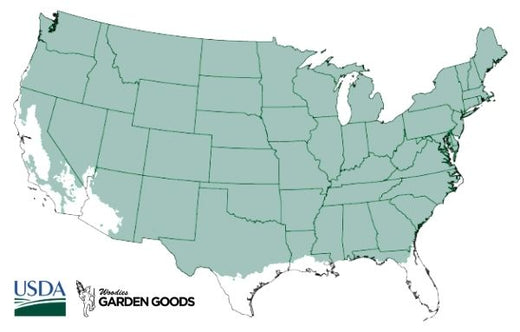
| Hardiness Zone: | 3-8 |
|---|---|
| Mature Height: | 6 to 12 inches |
| Mature Width: | 9 to 12 inches |
| Sunlight: | Part shade to full shade |
| Bloom Time / Color: | Spring; white, bell-shaped, very fragrant flowers |
| Soil Condition: | Moist, organic-rich, well-drained; tolerates clay |
| Water Requirements: | Moderate; keep evenly moist while establishing |
| Wildlife Value | Early-season flowers can support pollinators |
| Resistance | Deer and rabbit resistant; drought tolerance improves once established |
| Landscape Uses | Woodland gardens, under trees, shade borders, ground cover, naturalized patches |
How to Care for Lily of the Valley
After purchasing your Lily of the Valley, be sure to read our recommended care instructions to ensure this perennial groundcover is happy and healthy for years to come.

How should I plant Lily of the Valley?
Plant Lily of the Valley in part shade to full shade in moist, well-drained soil enriched with compost or leaf mold. Set pips or nursery plants so the crown sits at soil level, firm soil gently around roots, and water thoroughly to settle everything in. For best results, choose a defined area where you want it to spread, like under deciduous trees or along a shaded border. Because it spreads by rhizomes, consider containment at planting time. Edging, a hard border, or a root barrier makes long-term maintenance much easier. Keep the planting area weed-free early on so the patch establishes quickly and forms a dense, clean carpet.

How often should I water Lily of the Valley after planting?
Water deeply right after planting, then keep the soil evenly moist for the first 4–6 weeks. In most shade gardens, that means watering 1–2 times per week when rainfall is limited, adjusting for heat, wind, and tree-root competition. Consistent moisture during establishment is the fastest path to a thicker, healthier patch. Once established, Lily of the Valley can handle short dry spells, but it looks best with steady moisture. If the foliage starts to look stressed or thin during summer drought, a deep soak will help it recover. Mulch with shredded leaves or compost to reduce moisture swings and keep the root zone cooler.

When should I fertilize Lily of the Valley?
Fertilize lightly in early spring as growth begins, especially if your soil is sandy or low in organic matter. A thin layer of compost or a gentle, balanced, slow-release fertilizer is usually enough to support healthy foliage and stronger flowering without pushing overly soft growth. Avoid heavy feeding. Lily of the Valley is naturally vigorous, and too much fertilizer can encourage rapid spread without improving bloom quality. If you want the simplest approach, top-dress with compost in spring or fall and let the soil biology do the rest.

When and how should I prune Lily of the Valley?
Pruning is minimal. After flowering, you can remove spent flower stems for a tidier look, but it’s optional. If the patch gets ragged late in the season, you can lightly trim or tidy browned foliage—especially in high-visibility areas near paths. For containment, the most important “pruning” is edge control. Use a spade to cut a clean line around the patch once or twice a season and pull or dig any runners that pop up where you don’t want them. This keeps Lily of the Valley beautiful and contained, rather than letting it wander.