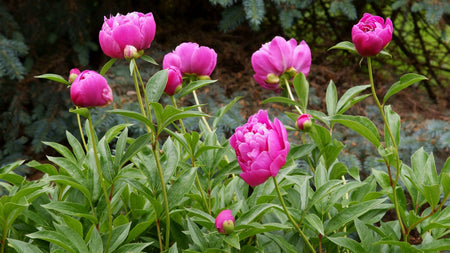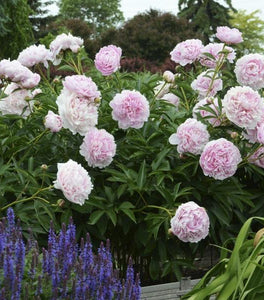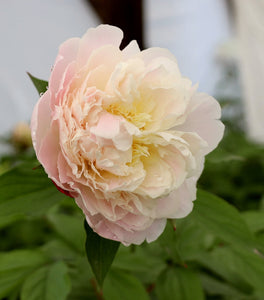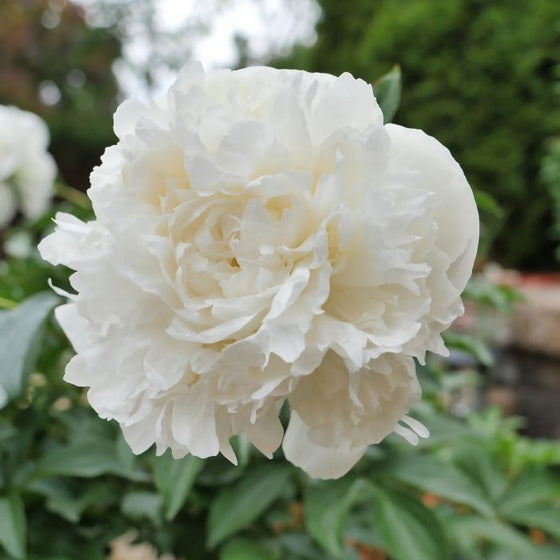
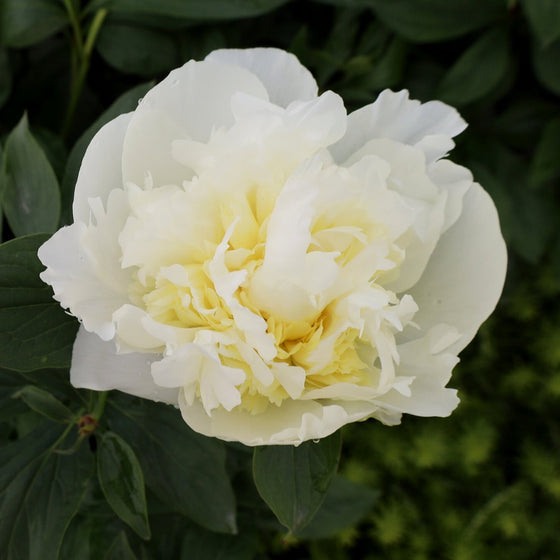
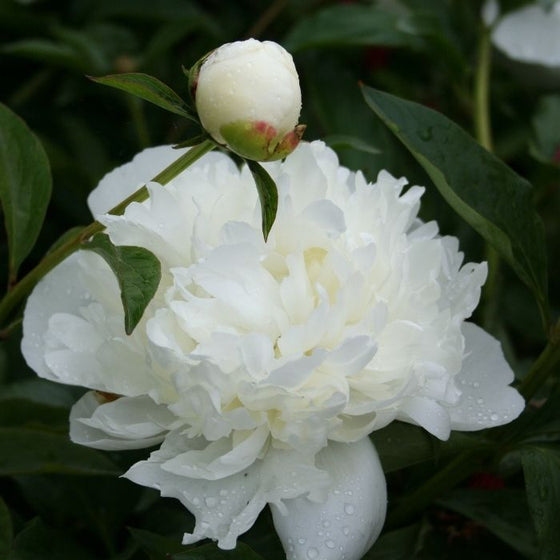


Images Depict Mature Plants
Duchesse De Nemours Peony
Paeonia lactiflora 'Duchesse De Nemours'
Duchesse De Nemours is the white peony I’d plant if I wanted my garden to feel instantly “classic”—fragrant, fully double blooms that look like they were made for a vase, plus that calm, elegant color that brightens every border it touches. Plant it shallow, give it sun, and space it so air can move through the clump, and you’ll get a spring tradition that comes back stronger and more beautiful as the years stack up.

Take 20% OFF SITEWIDE.
Use Coupon Code: EARLYBIRD20
📦 Free shipping on orders over $99.
Delay shipping by leaving us a message at Checkout.
Share:



Heirloom White Peony With Fragrance And Florist-Quality Double Blooms
Fragrant Double White Blooms With A Soft Creamy Glow
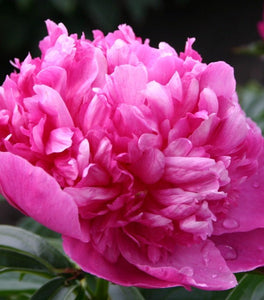
Duchesse De Nemours Peony is pure garden elegance, with full, double white blooms that offer a refined, creamy warmth and a sweet fragrance that feels like late spring in its most romantic form. The flowers open with a gentle glow (often with a soft buttery center), then mature into plush, ruffled doubles that look like they were made for bridal bouquets and centerpiece vases. In the landscape, that white bloom color acts like a spotlight: it brightens borders, pops at dusk, and pairs effortlessly with nearly every other spring and early-summer color palette.
This peony also brings that “old garden soul” feeling, timeless, established, and intentional. Plant it where you’ll pass close enough to enjoy the fragrance, such as along a walkway, near a patio, or beside a front entry bed. When Duchesse De Nemours blooms, it doesn’t just add flowers; it adds atmosphere, turning ordinary spring days into something you’ll look forward to all year.
Cut-Flower Luxury That Makes Every Bouquet Look Expensive
If you grow peonies for cutting, Duchesse De Nemours is one of the best white peonies to plant. The blooms are generously sized and densely petaled, giving you instant volume in arrangements—often just a few stems can fill a vase and still look balanced and polished. For the best vase life, cut stems when buds are plump and beginning to soften, then let them open indoors for that slow, dramatic unfurl that makes peonies feel so special.
In a cutting garden, this variety shines because white flowers are the ultimate “mixer” in bouquets. They elevate pinks, deepen purples, soften bold reds, and look stunning on their own with simple greenery. Plant a small drift to harvest from, or place one clump in a mixed border and treat it as your personal bouquet station each spring. It’s a reliable way to bring florist-style beauty right from your own garden beds.
Long-Lived Perennial Value With Low Drama After Establishment
Duchesse De Nemours is a true investment perennial—plant it well, leave it in place, and it rewards you for years. Peonies are known for longevity, and this heirloom variety follows that tradition with dependable spring performance and a clump that typically becomes fuller and more floriferous over time. Once established, it’s not a fussy plant: it wants sun, well-drained soil, and a simple care rhythm. It’s also commonly considered deer-resistant, which is a big win when you want big spring flowers without constant browsing worry.
The best results come from letting it settle in. Avoid frequent transplanting, keep heavy mulch off the crown, and allow foliage to remain after bloom so it can feed the root system for next year’s flower buds. Think of it as a long-term relationship plant: minimal demands, consistent rewards, and a spring display that feels like a tradition you started on purpose.
Upright, Healthier Plants With Smart Spacing And Simple Support
Those lush double blooms can get heavy, especially after rain, so spacing and early support are the two “small moves” that make Duchesse De Nemours look its best. Give each plant room for airflow, so foliage dries faster after dew and rain, stems develop stronger, and the clump doesn’t feel crowded as it matures. Proper spacing also makes it easier to deadhead after bloom and to cut stems cleanly for bouquets without wrestling the plant.
In windy sites or very rich soil (which can produce softer stems), add a discreet peony ring early in spring so stems grow through it naturally. The support disappears once foliage fills in, but it keeps blooms upright and photo-ready. Combine good spacing with early support, and you get the best version of this peony: big white blooms held high, less flopping, and a cleaner, more polished look in borders and cutting beds.

| Hardiness Zone: | 3-8 |
|---|---|
| Mature Height: | 30 to 36 Inches |
| Mature Width: | 30 to 36 Inches |
| Sunlight: | Full sun to part shade (best bloom in full sun) |
| Water Requirements: | Medium; consistent moisture while establishing |
| Soil | Rich, well-drained soil |
| Bloom Time / Color | May to late spring; double white blooms with a soft creamy center; fragrant |
| Wildlife Value | Attracts pollinators during bloom |
| Resistance (deer/disease/drought/etc.) | Deer resistant; may benefit from support in rain/wind |
| Landscape Uses | Borders, cutting gardens, cottage gardens, foundation beds, specimen clumps |
How to Care for Duchesse De Nemours Peony
Be sure to read our planting instructions to ensure a healthy and happy Duchesse De Nemours Peony plants for years to come!
-v1745590119482.png?92x91)
How should I plant Duchesse De Nemours Peony?
Plant Duchesse De Nemours Peony in a sunny spot with well-drained, fertile soil and good air circulation. Dig a wide hole (wider than it is deep), loosen the surrounding soil, and mix in compost if your soil is compacted or low in organic matter. Set the root so the “eyes” (buds) sit just 1–2 inches below the soil surface—planting deeper than that is the most common reason peonies produce lush leaves but few flowers. Water thoroughly to settle soil around the root, then mulch lightly to hold moisture—keeping mulch off the crown so the eyes aren’t buried. Choose a permanent location and avoid frequent transplanting; peonies bloom best when they can stay put and build a strong root system over time.
-v1745590170261.png?89x84)
How often should I water Duchesse De Nemours Peony after planting?
Water deeply right after planting, then keep soil evenly moist during the first growing season. In most gardens, that means a deep soak about 1–2 times per week when rainfall is limited, with extra attention during warm, windy stretches or in sandy soils that dry quickly. The goal is moisture in the root zone, not frequent light sprinkling. Once established, peonies are fairly resilient, but they bloom best when they don’t suffer drought stress in spring while stems and buds are forming. During prolonged dry periods, water deeply at the base, and maintain a light mulch ring to reduce evaporation while keeping the crown area uncovered.
-v1745590188523.png?90x89)
When should I fertilize Duchesse De Nemours Peony?
Fertilize in early spring as shoots emerge using a balanced slow-release fertilizer or a compost top-dress around the plant. Apply fertilizer around the drip line, not directly on the crown, to support strong stems and flower production without burning new growth. If your soil is already rich, a compost top-dress can be plenty. A second light feeding after bloom (or simply refreshing compost and mulch) helps replenish energy for next year’s buds, especially in lean or sandy soils. Avoid heavy high-nitrogen fertilizing, which can encourage soft, leafy growth at the expense of flowers and sturdier stems.

When and how should I prune Duchesse De Nemours Peony?
After flowering, deadhead spent blooms back to a strong set of leaves to keep the plant tidy, but leave foliage intact through summer and early fall. Those leaves act like solar panels—feeding the root system and building next year’s flower buds—so removing them early can reduce bloom performance. In late fall after frost, cut stems back to the ground and remove old foliage and debris from around the plant. This cleanup keeps beds neat and helps reduce overwintering issues, setting the stage for vigorous spring regrowth and a cleaner bloom season.